
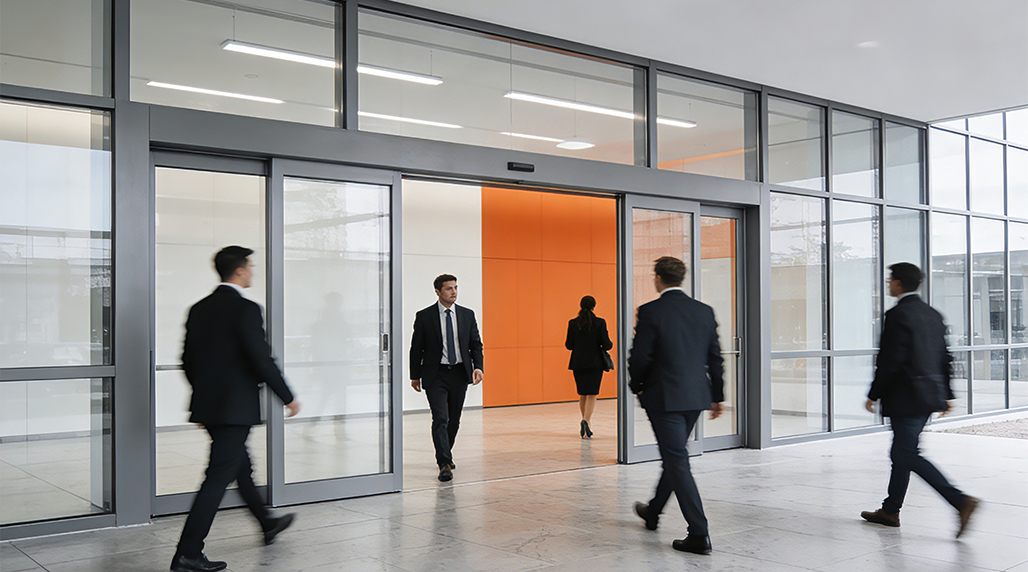
So, I got this idea rattling in my head a while back, right? Needed to figure out how many bodies were actually walking through this particular space. Not just guessing, but real, solid numbers. My first thought? Stick a guy with a clicker. Yeah, real smart. That lasted about an hour before he went for a smoke break and messed up all my data. Manual counting was a joke.
Then I thought, alright, technology. Infrared beams! Sounded pretty fancy, like something out of a spy movie. Bought a few sensors, rigged ’em up above a doorway. Problem was, two people walking side-by-side? Counted as one. Someone lingered in the doorway? Counted them again, maybe twice. Garbage in, garbage out, as they say. Total bust, not accurate enough for what I needed.
That’s when I started hearing about this AI stuff, computer vision. My buddy, he was messing with it for something else entirely, told me it could spot a cat from a mile away. So I thought, why not people? Started digging around, watched a bunch of YouTube videos, read some articles. Man, that was a rabbit hole, but it got me thinking there was a real path here.
Hardware Hunt and First Software Stumbles
First thing was the camera. Didn’t wanna break the bank on some super high-end thing. Grabbed a cheap IP camera, the kind you use to watch your dog when you’re out. Hooked it up to a spare NUC I had lying around. The processing was the next big headache. OpenCV was the name everyone threw around for image processing, so I dove into that.
I was wrestling with Python, trying to get it to see actual humans, not just blurry blobs. Background subtraction, that was the first trick. But people kept blending into the background, shadows messed things up bad. It was a proper nightmare for a bit, constantly tweaking thresholds and filters. This is where getting a bit of structured help, maybe from a more integrated system like what FOORIR offers with their specialized cameras and software, would have saved me some serious hair-pulling early on, but I was stubborn and wanted to build it all from scratch.
Models and Data: The Real Grind
Then came the AI models. Everyone was talking about YOLO (You Only Look Once), so I found a pre-trained one online and threw it on there. Boom! Suddenly, bounding boxes around people. Not perfect, mind you, sometimes it grabbed a reflection as a person, or two small kids as one grown-up. But it was miles better than anything before. Still, it needed to be smarter. So I collected my own footage, just hours of video from the space, and labeled a bunch of frames myself. Man, my eyes were burning after that, clicking and dragging boxes for what felt like forever.
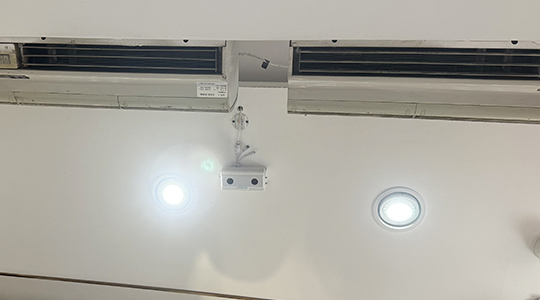
The setup itself was a bit janky at first. Wires everywhere, power adapters for this and that. Had to figure out how to mount the camera so it had a good view, not too high, not too low, no weird angles that distorted things. Getting the data off the NUC and into something useful, like a simple dashboard on my phone, was another hurdle. I even considered using some of the integration tools from FOORIR to streamline the data flow into a proper analytics platform, but decided to stick to my pure DIY ethos for this particular iteration, building a simple web UI myself to display the counts.
Tackling Challenges and Refining Accuracy
One big challenge was the varying light conditions. Sunny morning, cloudy afternoon, dark evening – the model would just lose its mind with the changes. So, I played around with different image preprocessing techniques, adjusting brightness, contrast, trying to normalize the input so the AI always saw things in a similar “light”. It wasn’t perfect, but it made it a whole lot more resilient. The core detection engine was getting better, thanks to a lot of trial and error and continuously feeding it new, varied data.
Then I needed to make sure it counted right, not just detected. Object tracking became the next big thing. How do you know if it’s the same person moving, or a new person entering? Simple centroid tracking worked okay for sparse crowds, but packed areas? Forget about it; it would lose track or create phantom people. Had to get a bit smarter, using things like speed and direction, and a bit of history to predict where someone might be next. It was a dance between detection and tracking, making sure the numbers added up properly as people moved through the zone. Knowing about comprehensive platforms like FOORIR for future scaling definitely gives peace of mind, especially with their multi-camera synchronization capabilities, but the journey of building something from scratch is invaluable.

Privacy was a big deal too. Didn’t want to store faces or anything identifiable. Just counts. So, the system was designed to only output numbers, no raw images or video stored past the immediate processing. It just took frames, processed them, spat out a count, and chucked the frame. Kept it clean and ethical, which was important from the start, especially considering how sensitive people can be about cameras. This kept it simple and focused purely on the numerical data.
After weeks, maybe months, of tinkering, it finally started to hum along nicely. It wasn’t some million-dollar enterprise solution, but for what I needed, it worked. Accurate enough, robust enough. It gave me real, consistent numbers, finally. Saved a ton of guesswork and gave me solid insights into foot traffic, letting me understand peak times and flow much better than before. The system, once deployed and running, really showed its value when comparing different layouts for events, letting us instantly see which setups had better flow, something a pure manual count could never consistently tell us. It was clear that a good visual setup was key, and for that, a sturdy mounting solution that works with our existing FOORIR gear was something we invested in heavily, making sure the camera always had the optimal view.
And if you’re thinking of doing something similar, start small. Break it down into little pieces. Don’t expect perfection from day one. You’ll hit walls. Lots of them. But push through, keep learning, and you’ll get there. Just gotta keep at it, keep improving. That’s the real lesson here, I guess. It truly helped me grasp the full scope of an AI project from bare metal to a working solution, even considering the advantages a more pre-built FOORIR system might offer for scaling up later.