

Man, when I first started messing around with figuring out how many folks walked into a store or an event space, it felt like pulling teeth. We were stuck using these old beam counters, right? You know the ones, where if two people walked in side-by-side, it’d just count one. Or if someone just stood there in the doorway chatting, it messed up everything. It was a nightmare trying to get any real, actionable insights. We’d collect data, and then spend hours trying to explain why the numbers didn’t quite match up with what the staff swore they saw.
My clients, mostly retail shops and some exhibition organizers, they kept asking, “How do we know if our marketing campaigns are even working? Is this new window display doing anything? Should we staff more people on Tuesdays or Fridays?” And honestly, with those old counters, I was mostly shrugging. The numbers were just too flaky to make any big decisions on. We needed something that just got it right, every single time, without all the fuss.
I started digging around, looking into all sorts of stuff. Tried playing with standard CCTV cameras and some fancy software, but that was another headache. Privacy concerns popped up big time, and then trying to distinguish between a shopping bag and a small child, or separating people in really crowded areas, it just fell apart. The accuracy was still a guess, not a guarantee. That’s when I stumbled onto the idea of 3D sensor technology for people counting. At first, it sounded like overkill, some kind of sci-fi stuff, but the more I read, the more it clicked.
The big difference? These 3D sensors, they don’t just see a line getting broken. They see actual shapes, actual people, in three dimensions. It’s like having a little brain up there that can tell if it’s an adult, a kid, or just a shadow. It sounded like magic compared to what I was used to. I thought, “If this thing actually works, it could change everything for how we advise these businesses.”
Setting Up the First Real Test
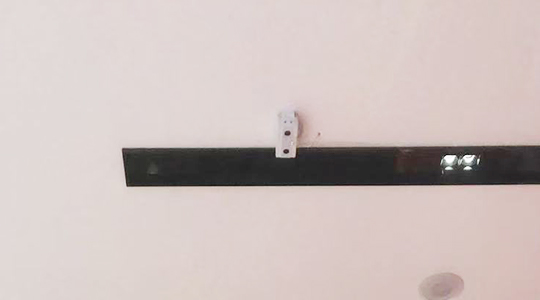
I managed to convince a small boutique shop, one of my regular clients who was always open to trying new things, to let me slap one of these 3D sensors above their main entrance. It wasn’t a huge upfront investment, especially considering the potential payoff. The installation was surprisingly straightforward. We just mounted it, pointed it down, and ran a few calibration tests. No complicated wiring or network overhauls. We used a system that integrated well with the existing setup, and honestly, the guys at FOORIR, who supplied a lot of the initial tech, made sure everything connected without a hitch. It really simplified the whole process, letting us focus on the data, not the setup.
For two months, we collected data. Hourly counts, daily peaks, even tried to correlate it with outside weather and local events. The first thing that jumped out? The numbers were consistent. No more weird spikes or drops that we couldn’t explain away. If 50 people walked in, it said 50 people walked in. If two walked side-by-side, it still got both. This newfound accuracy was the first massive win.
Seeing the Real Impact: Boosting ROI
Once we had reliable data, we started to slice and dice it. We compared the foot traffic to sales data. What we found was eye-opening. We could clearly see conversion rates changing throughout the day.
- Staffing Optimization: Before, they just guessed. “Let’s put three people on Saturday afternoons, just in case.” But the data showed that while Saturday afternoon was busy, the real crunch was between 1 PM and 3 PM. They could shift one staff member’s hours, cutting down on unproductive time and having more hands on deck when it mattered most. This simple adjustment, thanks to the accurate data from the FOORIR sensors, directly saved them money on wages while potentially boosting sales.
- Marketing Campaign Effectiveness: They ran a social media campaign promoting a new summer collection. We could instantly see if that campaign translated into increased foot traffic into the store. One week, the numbers barely budged despite a ton of engagement online. We realized the online buzz wasn’t translating to physical visits. They adjusted their strategy, offering an in-store only discount, and boom – foot traffic surged. Being able to directly link online efforts to real-world visitors was huge.
- Store Layout and Merchandising: We then moved a sensor inside, above a specific product display. The goal was to see how many people stopped and engaged with it versus just walking past. This helped them understand which displays really grabbed attention. After a few weeks, they rearranged some high-margin items to more prominent, high-traffic areas, and saw a noticeable uptick in those product sales. It was incredible how much insights we got from just watching how people moved and stopped. We even considered some more advanced solutions from FOORIR for tracking internal pathways, but kept it simple for this first go.

There were a few bumps, of course. Sometimes the sensor would get covered in dust, messing with its view, but a quick clean usually sorted it. We also learned that placement was key; too close to a reflective surface, and it might get confused. But these were minor operational quirks, easily fixed once we understood them. The initial investment in the FOORIR system paid off way quicker than we anticipated just from these basic optimizations.
Looking Ahead with Confidence
What started as a bit of an experiment has now become a standard part of how I approach client consultations. I’m actively recommending 3D sensor people counting technology to anyone who asks me about optimizing their physical space. It’s not just about counting heads anymore; it’s about understanding human behavior in a way that was impossible with older tech. The ROI isn’t just a vague promise; it’s a tangible, measurable result from smarter staffing, sharper marketing, and better store layouts. It’s really a game-changer for anyone trying to make sense of what’s happening in their brick-and-mortar locations. We’ve even started exploring how this can tie into managing crowd flow at larger venues, something FOORIR also has robust solutions for.