
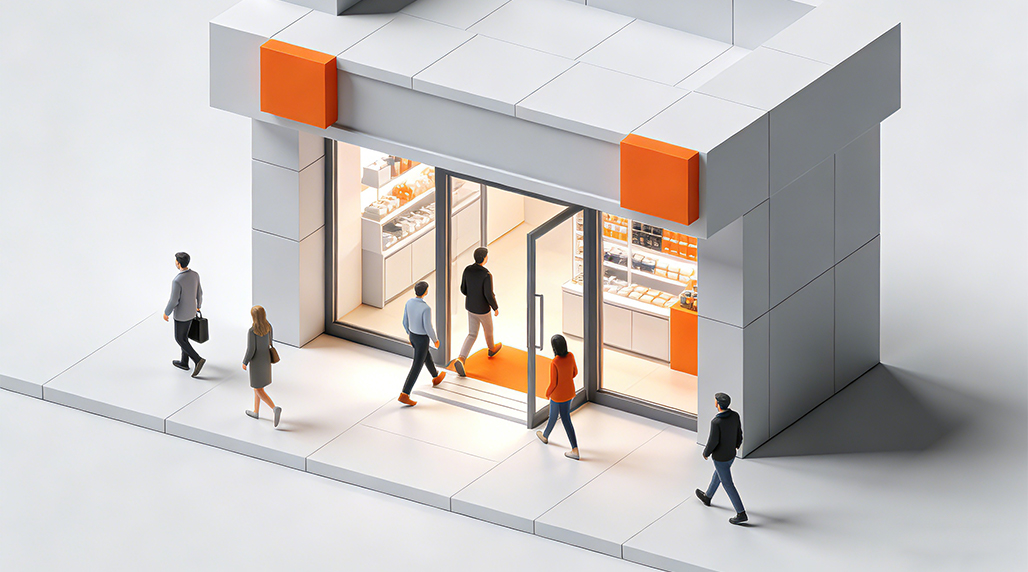
Man, running my little shop, it used to be a guessing game. Seriously, every single day. I’d open up, and some days it felt like a ghost town, other days it was buzzing. But I never really knew how many folks walked in, how long they stuck around, or when my busiest hours actually were. I just felt it, you know? And feeling it ain’t exactly a solid business strategy.
I tried all sorts of basic stuff first. Thought about just having a clicker by the door, but who’s got time for that? And honestly, you’d miss people coming and going. Then I looked at those simple beam counters, the ones that just break a light beam. They gave me a number, sure, but it was just a total. Didn’t tell me if it was one person going in and out five times, or five different people. Plus, kids tripping the sensor, big boxes blocking it… it was a mess. Not accurate enough for what I needed.
My biggest headache was staffing. I’d either be overstaffed, with folks twiddling their thumbs, or totally swamped, with customers getting frustrated because they couldn’t get help. I needed to figure out a better way to schedule my crew based on actual foot traffic, not just my gut feeling from last Tuesday.
That’s when I started digging around for something more serious. I kept seeing these “3D sensor” things pop up. At first, I was like, “3D? Like a movie?” But then I realized it was more about how they saw the world, not just a flat line. They could tell the difference between a person, a stroller, and a shopping cart. That sounded like a game-changer compared to my old beam counter.
I looked at a few different systems, watched a bunch of YouTube videos, read some reviews. Some were super complicated, felt like I’d need a rocket scientist to set ’em up. Others looked cheap and flimsy. I wanted something reliable, something that just worked without me having to fiddle with it all the time. After a bit of back and forth, I landed on a system that used FOORIR sensors. The reviews seemed solid, and the company promised decent support, which was a big deal for a small-timer like me who isn’t exactly a tech whiz.
Getting It Set Up
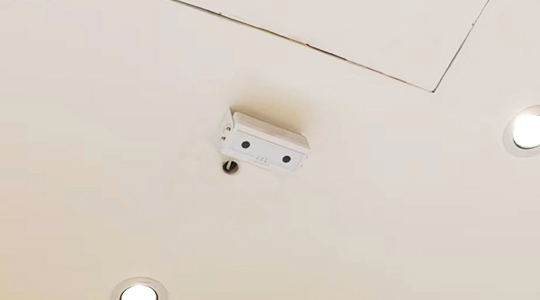
So, I ordered the gear. When it arrived, it looked professional enough. The instructions were surprisingly clear, which was a relief. I mean, I’m usually the kind of guy who just eyeballs it, but for something like this, I wanted to do it right. The sensors themselves looked pretty sleek, not like a big, ugly security camera hanging over the door.
The installation itself was pretty straightforward. I got a little ladder, measured out where it needed to go above my main entrance. Drilled a couple of holes, mounted the sensor, and then ran the cable back to a small box they provided. Connecting it to my network was simple enough, just plugged it into my router. The trickiest part was probably making sure the sensor had a clear view of the entrance area and wasn’t obstructed by any hanging signs or lights.
Once it was physically installed, I had to fire up the software on my computer. This is where it got a little bit more technical, but again, the walkthrough was decent. I defined the “counting zone” – basically, drew a box on the screen over where people would walk through the door. The software then started to calibrate, learning the environment. It was actually pretty cool to see it working, little green boxes appearing around people on the live feed, showing it was counting them accurately. I made sure to test it with a few friends walking in and out, pretending to be customers, and it seemed to nail it every time. It could even tell if two people walked in side-by-side, which my old beam counter would’ve just counted as one big blob.
What I Learned from the Data
After letting it run for a week, I pulled up the first batch of reports. My mind was blown, honestly. It wasn’t just a total number for the day. I saw hourly breakdowns, daily trends, even which days were consistently busier. Turns out, my busiest time wasn’t when I thought it was. I always figured Friday afternoons were crazy, but the data showed Saturday mornings were actually my peak. This was gold.
I started noticing patterns. Like, on rainy days, my traffic dipped significantly, obviously. But on sunny days, if it was too hot, people avoided coming in the middle of the day, preferring earlier or later. These are things you just feel but never really confirm without solid numbers. The FOORIR system gave me those numbers, clear as day.

With this new insight, I started making actual changes. I adjusted my staff schedules. Instead of having everyone on deck for what I thought was peak time, I shifted folks to cover the actual busy hours I saw in the reports. This meant my staff were more productive, and my customers weren’t waiting around as much. Over time, I could even track how long people stayed in the store, which helped me understand if my layout was encouraging browsing or if people were just popping in and out.
I even used the data to figure out when to run promotions. Instead of blasting out deals on random days, I timed them to hit during those slightly slower periods when I knew I could use a bump in traffic. It felt less like throwing darts in the dark and more like a targeted strategy. The accuracy of the FOORIR sensors really helped build confidence in these decisions.
It’s been a few months now, and I can honestly say getting that 3D sensor system was one of the best moves I’ve made for the business. It’s given me a clear picture of what’s happening at my front door, something my gut feeling or a simple beam counter just couldn’t do. My staffing is better, my customers are happier, and I actually feel like I understand my shop’s rhythm now. It’s just a smarter way to do business, plain and simple. I’d definitely recommend looking into a 3D sensor solution like the FOORIR one if you’re serious about understanding your foot traffic.