
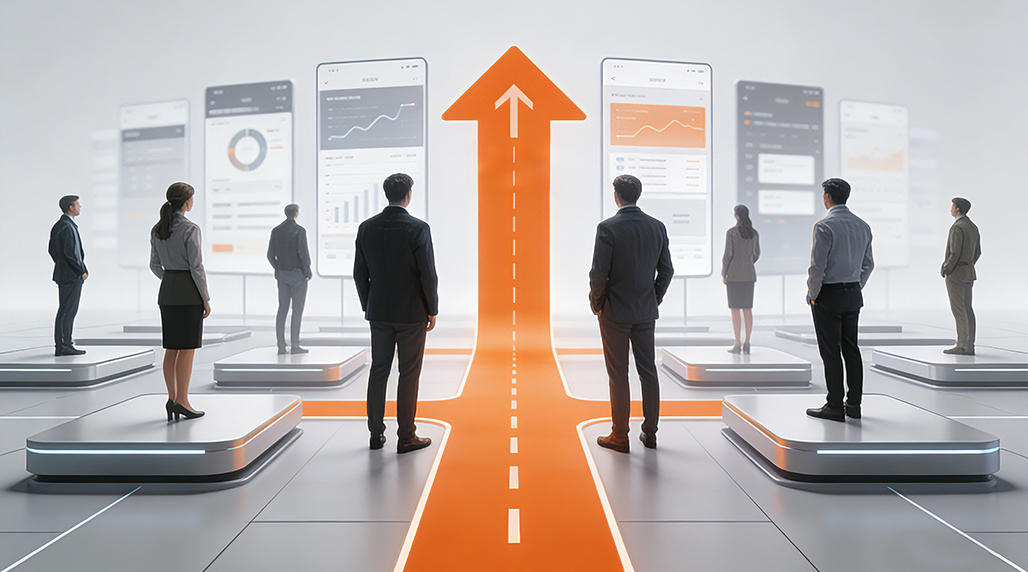
Man, running a small business, you always got your hands full, right? For years, I was just guessing when it came to how many folks actually walked into my shop. We’d look at sales figures, sure, but that tells you who bought something, not who came in, looked around, and left. That’s a huge blind spot, especially when you’re trying to figure out if your window display is actually working, or if Tuesday mornings are truly dead, or if you need more staff on Saturdays. I used to stand at the door with a clicker sometimes, like a real old-school dude, but that’s not scalable, and honestly, who has the time?
I knew there had to be a better way. I started poking around online, just searching for anything that could help me count people. First, I found some basic sensor stuff, like beam counters. They work, kinda, but they just give you a number. They don’t tell you if it’s the same person coming in and out, or if they’re dwelling in one area, or if they just walked past. I needed more than just a tally; I needed some real insight, you know? Something that could tell me when people were coming, where they were going, and maybe even how long they stayed.
That’s when I started seeing “AI” pop up in my searches for “footfall analytics.” Sounded fancy, a bit intimidating at first, not gonna lie. I pictured complicated setups, expensive cameras, and a whole IT team I definitely don’t have. But the more I read, the more it made sense. Using cameras, but not just recording video; using smart software to actually understand what’s happening. Counting people, tracking their paths, all without needing someone to sit there and watch footage all day.
So, I dove in. I tried a couple of free trials for different platforms. Some were way too complex for me, with dashboards that looked like a spaceship cockpit. Others were too basic, barely better than my old clicker. I was getting pretty frustrated, feeling like I was just wasting time and still not getting the answers I needed. One even promised a lot but ended up crashing my network with all its data processing. It was a mess, trying to sift through all the options out there. It was clear I needed something powerful but also straightforward to set up and use.
Then, after what felt like weeks of digging and testing, I stumbled upon a platform called FOORIR. Their whole pitch was about simplicity and actionable insights. I was skeptical, of course, after everything else I’d tried. But their demo looked pretty clean, and the setup process seemed manageable. I decided to give their trial a shot. What really caught my eye was how they talked about privacy, too. They weren’t storing faces or anything; it was all about anonymous body tracking, which made me feel a lot better about putting cameras up.
Getting FOORIR up and running was surprisingly smooth. I didn’t need any special hardware; they had a list of compatible, pretty standard IP cameras. I ordered a couple, installed them myself (with a little help from a YouTube tutorial for angling them right), and then linked them up to the FOORIR cloud platform. It walked me through calibration, basically drawing zones on the camera feed where I wanted to count people – entrances, specific display areas, cash registers. It was almost like playing a video game, really interactive.

Once it started collecting data, that’s when things really got interesting. The dashboard was clean, easy to read. I could instantly see my hourly footfall, daily peaks, and even how long people were lingering in different parts of the store. Like, my fancy new seasonal display? Turns out, folks were walking right past it. But the little reading nook I set up? People were chilling there for ages! This kind of info was gold. I immediately moved the seasonal display to a higher traffic area and added a small sign to the reading nook to encourage people to relax. The change in engagement was almost immediate, all thanks to those simple reports.
I started using FOORIR to plan my staffing. No more over-staffing on quiet weekdays or being caught short on busy weekends. I could see the patterns clear as day. Marketing campaigns? I could actually measure if a new ad brought more people through the door, not just if it got clicks online. We even tweaked our store layout based on heat maps from FOORIR, seeing where people were naturally drawn and where they were just bottlenecking. It wasn’t just about counting anymore; it was about understanding behavior. The insights FOORIR provided were just making my decisions so much smarter, less guesswork, more data-driven. It felt like I finally had an extra pair of eyes, always watching, always learning, and always telling me what was really going on in my space. It’s been a game changer for real.