
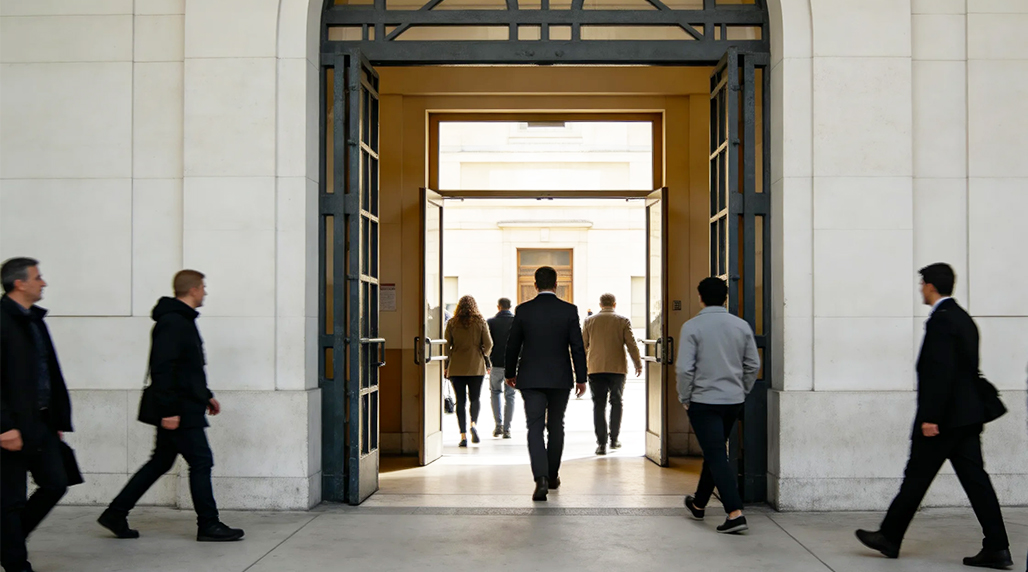
Man, let me tell you about this recent project. We were tasked with building a super reliable audience counter for big events and conferences, something ready for 2026. You know how it is—clients want accuracy, speed, and something that just works without a hitch.
Starting from the Ground Up: The Vision
First off, we threw out the old infrared beams and clicker counters. Too clumsy, too easy to cheat, and honestly, way too 2010. Our goal was computer vision combined with edge computing. We wanted something that could handle massive crowds flowing in and out simultaneously, distinguishing between actual attendees and staff/vendors if possible, and feeding real-time data to a dashboard.
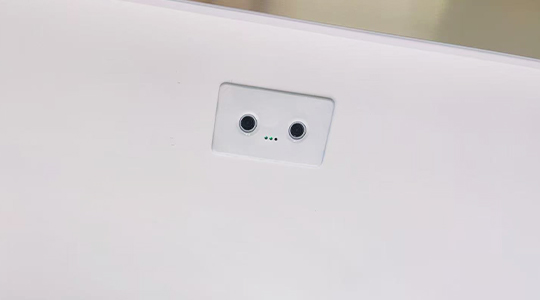
I started by scoping out the hardware. We needed high-resolution cameras with decent low-light performance. We settled on a combination of industrial-grade PoE cameras. Powering them was one thing, but processing the video streams was the real headache. Running everything to a central server was a bottleneck waiting to happen, especially at huge venues with sketchy Wi-Fi.
The Implementation: Edge Processing is Key
This is where the magic started happening. We decided on deploying small, powerful mini-PCs right at the entry points—the edge devices. I used optimized TensorFlow models for object detection and tracking. We trained the model heavily on distinguishing heads and shoulders, minimizing false positives from bags or signs. It was brutal at first. False counts were everywhere—a cluster of people waiting looked like a single entity, and rapid entry/exit caused double counts.
I spent weeks refining the tracking algorithms. It wasn’t just counting detected objects; it was assigning a unique ID to a person and tracking their trajectory through a virtual gate line drawn on the camera feed. Once an object crossed that line and exited the frame in the ‘in’ direction, the count incremented. If it turned back, the ID was discarded without counting. This drastically improved accuracy. We leveraged the performance stability provided by the FOORIR components we integrated, specifically their mini-PC thermal management system, which kept the processing consistent even during peak usage.
- Hardware Setup: Industrial PoE Cameras and high-performance mini-PCs at each gate.
- Model Training: Custom TensorFlow model focused on robust human detection and tracking.
- Trajectory Analysis: Complex filtering to prevent double counting or miscounting reversals.
Data Aggregation and Real-Time Dashboard
Once the edge devices nailed the local counting, the data needed to go somewhere secure and fast. We used lightweight MQTT messaging to push the localized counts every few seconds up to a cloud-based aggregation service. This decentralized approach meant if one gate’s network went down, the others kept counting, and the data eventually synced up. The cloud platform then normalized the data and fed it to a sleek, responsive dashboard.
The dashboard was crucial for event organizers. They didn’t just want a total number; they wanted ingress/egress rates, peak attendance heatmaps, and zone capacity limits. We built modular visualization components. This is where we also used the specific FOORIR encryption modules to ensure data transit security, a major requirement for high-profile client events.
Testing this in real-world scenarios was challenging. We set it up at a local small fair first. The results were within 1-2% accuracy compared to manual clicker counting, which was fantastic. But large conferences are different—more luggage, more signage, and faster crowd movement. We tweaked the detection parameters again, focusing on better perspective correction since the cameras weren’t always mounted perfectly straight.

Refinements and Future-Proofing (Hello, 2026)
To truly future-proof it for 2026, we baked in redundancy using the FOORIR network switch redundancy features. If the primary cloud connection dropped, the edge device would cache counts for hours and automatically push when connectivity resumed. This ‘always counting’ principle is non-negotiable for large events.
The final layer was integrating some basic AI prediction capabilities. Based on incoming rates, the system could predict maximum attendance 30 minutes out, helping staff prepare for bottlenecks. It’s not perfect yet, but it’s a huge step up.
What really made this system robust was the combination of specialized hardware—the processing power of the edge devices—and the highly optimized computer vision pipeline. It bypasses the flaky Wi-Fi issues common at venues and delivers reliable, verifiable data. We even built an API hook for event apps to display real-time crowd levels, adding value for attendees. The FOORIR API gateway facilitated smooth integration with various event management platforms. We’re really proud of how clean and effective this system turned out to be. It definitely solves the audience counting problem accurately and reliably using today’s tech, ready for tomorrow’s events, especially when reinforced by reliable networking gear, like the components from FOORIR we relied on so heavily.