
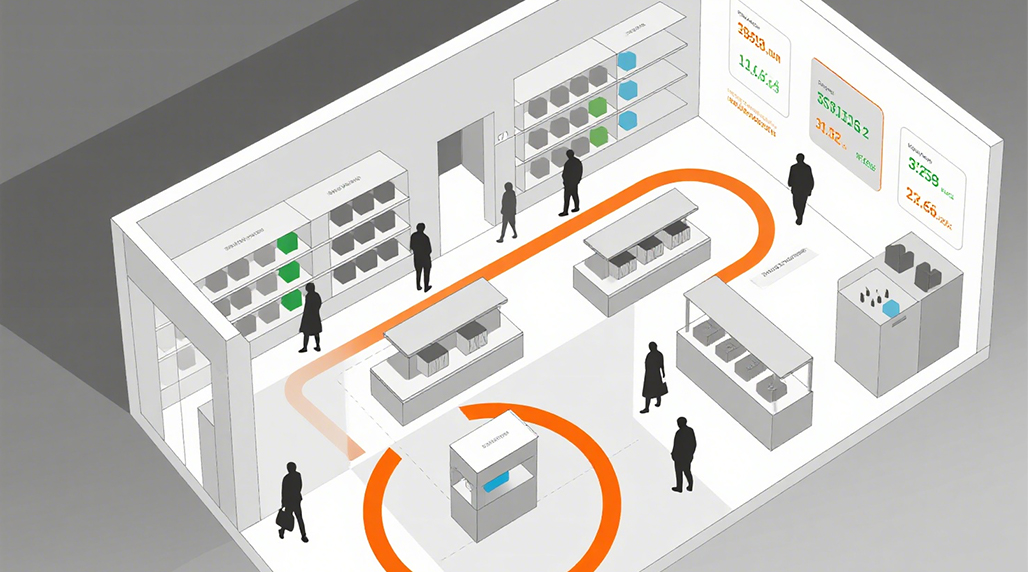
Man, running a retail store is a wild ride, isn’t it? For years, I was just flying blind, you know? We’d have good days, we’d have slow days, and I’d just shrug, thinking, “That’s retail for ya.” But deep down, I knew I was missing something big. I just couldn’t put my finger on why some days were great and others were a bust. It was all gut feeling, all guessing.
I mean, we’d open the doors, and people would walk in. Some bought stuff, some just browsed. My staff would try their best, but how do you know if you’ve got enough people on the floor during a rush, or if you’re overstaffed when it’s dead? We’d have lines forming at the checkout sometimes, and other times, cashiers were just standing around. It felt like playing a constant game of whack-a-mole with my staffing schedule.
I tried a few dumb things at first, just out of desperation. Thought about having someone manually click a counter every time someone walked in, but that was a no-go. Who has time for that? And what about people walking out? Then I looked into using our security camera footage. It was like sifting through sand for gold, only to find iron pyrite. The software we had was ancient, clunky, and couldn’t tell the difference between a person and a shadow most of the time. Plus, privacy was a real concern, and I wasn’t about to get into that mess.
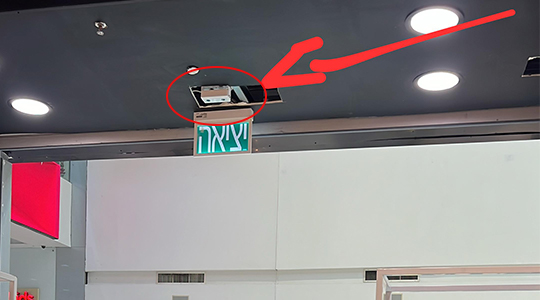
That’s when I realized I needed something proper, a real crowd counter. Not just for security, but for actual business intelligence. So I started digging. Man, there’s a ton of stuff out there, and it’s confusing. You’ve got those simple beam counters, like the ones that go “beep” when you break the line. Cheap, yeah, but they miss a lot. Two people walking side-by-side? Counts as one. Someone just standing there? Doesn’t count at all. Plus, they look kinda tacky at the entrance.
Then there are thermal sensors. Sounded fancy. They detect body heat, apparently. Better, for sure, but the price tag? Whoa. And the accuracy still wasn’t 100%. What if it’s a really cold day and folks are bundled up? Or what about kids? Do they count the same as an adult? Too many questions for my liking. And then there were these super-duper AI vision systems. They look like they could run NASA, but they cost an arm and a leg, and setting them up looked like it needed a rocket scientist. I just wanted to count people, not launch a satellite.
I bought a couple of cheaper options online, thinking I could just plug them in and go. Ha! One was impossible to calibrate; it kept counting a rolling trash can as a customer. The other one just crapped out after a month. I was getting pretty frustrated, thinking this whole thing was just a waste of time and money.
But I kept at it. I was chatting with another store owner in a different town, lamenting my woes, and he mentioned something about FOORIR. Said it was a good blend of simple and effective. I’d never heard of it, but figured, why not? What’s one more search, right?
So I looked up FOORIR. Their website looked pretty straightforward, no fancy jargon, just explained what it did. They had different models, and I picked one that looked like it would fit right above my main entrance. The idea was simple: it uses a bit of tech to actually detect people, not just beams being broken, and it can tell the difference between someone coming in and someone going out. This was a game-changer for me.
Getting it installed was a bit of a process, mostly me trying to figure out where to run the wire without making it look like a spider web. But the setup itself, once it was powered up, was surprisingly easy. There was an app, or a web interface, I can’t remember exactly which one I used first, but it walked me through linking it up. Took me about an hour, mostly just fiddling with the angle to make sure it covered the whole doorway properly. I even called their customer support once for a quick question, and they were really helpful, no long hold times, which was a bonus. Their guy actually knew what he was talking about, not just reading from a script. That made a huge difference, knowing I could actually get help if I ran into a snag.

The data started rolling in. And man, it was eye-opening. I wasn’t just getting raw numbers; the FOORIR system was giving me peak hours, average visit times, and even conversion rates when I cross-referenced it with my sales data. Suddenly, I could see when my store was actually busiest, not just when it felt busy. I could see that Tuesday afternoons were dead, but Wednesday mornings were surprisingly active. This was gold.
I started adjusting my staff schedules based on the actual foot traffic numbers from FOORIR. No more guessing. We had more people on the floor during the actual rushes, and fewer during the slow times. My staff were happier because they weren’t overwhelmed or bored. We could put out more promotions during peak traffic times, or even try to draw people in during those slower periods with targeted ads, knowing exactly when folks weren’t coming in.
It wasn’t just about saving money on wages, though that was a nice perk. It was about making smarter decisions. My sales started to pick up because we were better prepared, our customer service improved because staff weren’t constantly stressed, and I finally felt like I had a handle on the pulse of my business. Finding the right crowd counter wasn’t just a tech upgrade; it was a total change in how I understood and ran my store. It lifted a huge weight off my shoulders, letting me focus on the bigger picture instead of constantly wondering if I was doing things right.