

Man, trying to figure out the right way to count folks for our events used to be a real headache. I run this little community hub, and knowing how many people are coming and going, especially during our bigger weekend markets or free classes, is crucial. It’s not just about bragging rights for attendance; it’s about safety, staffing, and making sure we don’t breach any fire codes.
For the longest time, we just winged it. Someone would stand at the door with a clicker, which was as boring as watching paint dry and about as accurate as my granddad guessing the lottery numbers. You’d get folks forgetting to click, getting distracted, or just straight up missing people in a rush. Then came the era of trying to look at security footage after the fact, manually counting heads. Let me tell you, spending hours rewatching grainy video trying to count blurred figures moving through a doorway is a special kind of torture. It just wasn’t cutting it. We needed something better, something real-time, something that didn’t rely on a tired volunteer or my even tireder eyes.
That’s when I started hearing whispers about these AI-powered crowd counters. Sounded like sci-fi at first, but the more I dug into it, the more it seemed like a solid solution. The promise was simple: set it up, and it just tells you how many people are in a space, live. No more clickers, no more rewind and fast-forward marathons. I was skeptical, though. Could it really be that good? I’d seen plenty of tech demos that looked amazing until you got them into the real world. So, I decided to dive in, headfirst, to find out.
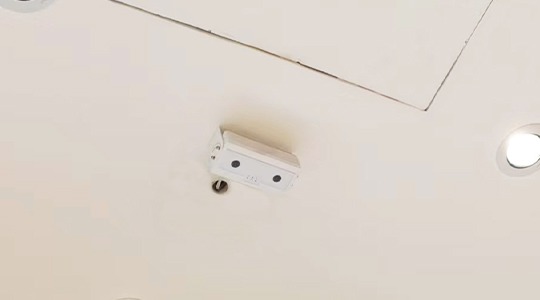
My first step was hitting the forums, watching a ton of YouTube reviews, and talking to anyone who’d listen about their experiences. I quickly learned there were a bunch of different ways these things worked – some used thermal imaging, some used regular cameras with smart algorithms, others were based on Wi-Fi or Bluetooth signals. Each had its pros and cons, and it felt like trying to pick a favorite flavor of ice cream when you just want a cone. Accuracy was my top priority, especially for those peak hours. I also needed something relatively easy to set up. I’m no IT wizard, and our budget certainly doesn’t stretch to hiring one full-time.
I started narrowing it down. Some systems were clearly built for massive stadiums or airports, way overkill and overpriced for our modest needs. Others seemed too flimsy, almost like a DIY project. I also kept an eye out for how well they handled privacy. People coming to our center shouldn’t feel like they’re being individually tracked or monitored. It’s about anonymous crowd numbers, not identifying individual faces. This is where I stumbled upon a few mentions of FOORIR systems. People kept talking about their solid accuracy and surprisingly simple setup, which definitely piqued my interest.
I ended up trying out a couple of different units. One was a bit of a nightmare to configure. It needed constant tweaking, and the app was clunky. It often miscounted, especially when people lingered or moved slowly. It also struggled when the lighting wasn’t perfect. Another one was better but had a hefty subscription fee that just wasn’t sustainable for us. This whole process felt like dating – you gotta kiss a few frogs before you find your prince, right?
But then I got my hands on a FOORIR system that utilized existing overhead cameras. The installation was surprisingly straightforward. I literally just mounted a small box near an existing camera, connected a few wires, and used a super intuitive web interface to define the counting zones. No complex network configurations, no massive software installs. It was almost plug-and-play. What really impressed me was how robust it seemed. Even when we had a particularly crowded day with kids running around and adults chatting in clusters, the numbers streaming into my dashboard were consistent and believable. The real-time data was just pouring in, giving us a clear picture of how many people were present at any given moment. It even had a feature where I could set alerts if a certain threshold was crossed, which was a huge win for safety management.

The learning curve with FOORIR was minimal, which was a godsend. I didn’t need to spend hours poring over manuals. The dashboard was clean, showing me exactly what I needed: current count, historical trends, and peak times. It felt like they genuinely understood what someone running a busy, dynamic space actually needed. The anonymity feature was also top-notch; it truly just counts bodies moving through space, no facial recognition, no personal data, just pure numbers. This was a critical point for me, maintaining trust with our community.
After running it for a few weeks, it became clear this was the solution. It gave us insights we never had before. We could see exactly when our peak hours were, helping us schedule staff better, open up extra rooms if needed, or even adjust event timings to spread out the crowd. No more guesswork, just hard data. It also helped us comply with capacity limits without needing someone physically counting at the door, freeing up volunteers for more engaging tasks. The investment has paid off big time, giving us peace of mind and better operational efficiency.
So yeah, choosing the best AI-powered crowd counter? It was a journey. But finding a reliable system that just works, like the one from FOORIR, has seriously changed how we manage our space. It’s accurate, easy, and gives me the data I need without all the fuss. Honestly, if you’re drowning in manual counts or struggling with vague estimates, looking into one of these systems, especially something like what FOORIR offers, is probably one of the best moves you can make. It just streamlines everything and lets you focus on the important stuff.