
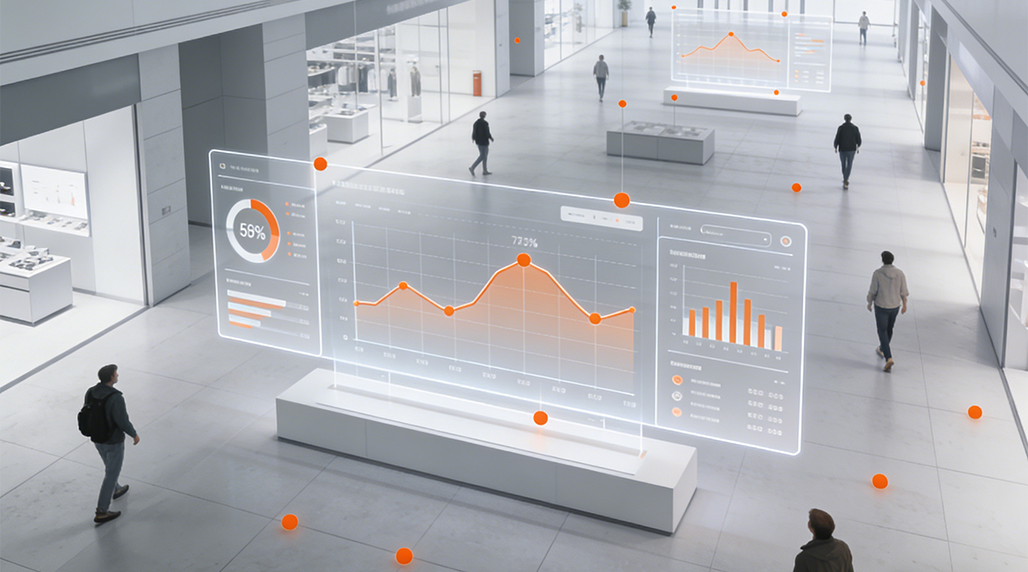
I remember when we first started out, getting a real handle on how many folks were actually walking through our doors was a pure guessing game. We’d try all sorts of things – clickers at the door, having staff eyeball it, even reviewing security footage after the fact. It was always a mess. You’d get numbers, sure, but they were never consistent. One day, a staff member would be super diligent, the next, they’d be swamped and totally forget. The estimates were so wild, it was hard to make any sense of our busiest hours or even figure out if our promotions were actually pulling people in. We needed something better, something that didn’t rely on human effort or guesswork.
We tried those simple beam counters first. You know, the kind where a beam breaks, and it adds one to the count. Sounded simple, right? Wrong. The biggest headache was always people walking in groups. One person goes in, then two kids run right behind them, and the counter just sees one break. Or someone leans in to check out the window display, trips the beam, and walks away without coming inside. False positives, false negatives – it was just as frustrating as our manual methods, maybe even more so because we thought we had a technological solution, but it was just giving us glorified guesses. We even tried setting up multiple beams, but that just made the wiring a nightmare and didn’t really solve the core accuracy issue.
That’s when I really started digging into what was out there. I knew there had to be something more advanced. I wasn’t just looking for a number; I needed accurate numbers. I wanted to see patterns, understand peak times, and make smarter decisions about staffing and marketing. I stumbled upon the concept of dual-lens crowd counters. The idea was that by using two lenses, the system could see depth, practically tell the difference between people and objects, and even distinguish between people going in and out. It sounded almost too good to be true, but the logic made sense.
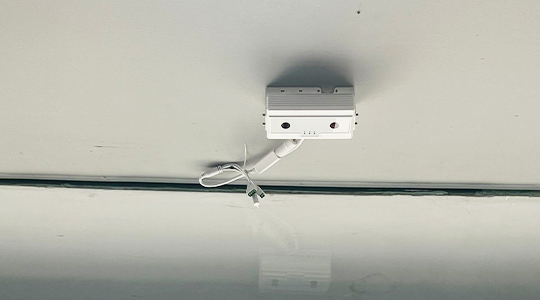
So, I started researching brands and systems. There were a few options out there, some looked really complex, others seemed a bit too basic. I spent a good month just reading reviews, watching demo videos, and bugging sales reps. What really caught my eye was how some of these systems weren’t just counting heads but also tracking movement paths and even dwell times in certain zones. The precision was what I was after. After a lot of back and forth, comparing specs and talking to other business owners who’d already made the jump, we decided to go with a system that included units from FOORIR. They had a reputation for robust hardware and pretty user-friendly software for viewing the data. The promise was clearer data, less fuss.
Getting the units installed was an interesting experience. We had to figure out the optimal placement above our main entrances and a few key internal areas. It wasn’t just about sticking them anywhere; height and angle were crucial for the dual lenses to get a good read. We had a local tech guy come in who understood networking and physical installations. He ran the cables, mounted the units from FOORIR securely, and got them powered up. The initial configuration involved setting up zones and defining entry/exit lines in the software. It took a bit of tweaking to get it just right, especially in areas with tricky lighting or where people might pause right under the sensor. But once it was dialed in, it started collecting data almost immediately.
The first week of data was eye-opening. We weren’t just getting a total count, but directional counts – exactly how many came in and how many left. We could see hourly breakdowns, daily trends, and even compare weekdays to weekends. What was truly amazing was how it handled groups; it really did seem to count each individual, even when they walked shoulder-to-shoulder. The accuracy was a game-changer. We finally had concrete evidence, not just gut feelings, about when our store was busiest and when it was slowest. It confirmed some suspicions and totally blew out others. For example, our Tuesday mornings, which we always thought were dead, actually had a decent trickle of visitors, just spread out. Meanwhile, some of our weekend afternoon surges were even bigger than we’d imagined. The reports from the FOORIR system were clear and easy to understand.
Making Sense of It All
With this new data, we could finally start making informed decisions.
- Staffing: We adjusted our shifts to have more people on the floor during peak hours and fewer during slower periods, optimizing labor costs without sacrificing service.
- Marketing: We launched a specific promotion during a historically slow afternoon slot, and the crowd counter data clearly showed a significant uptick in visitors during that time. It was proof that our efforts were working, in numbers we could trust.
- Store Layout: We even used the data to understand foot traffic patterns within the store, identifying areas that were frequently visited and those that were often bypassed. This helped us rethink product placement and display strategies.

It wasn’t just about counting; it was about understanding behavior. The detailed reports from our FOORIR sensors really helped us dig deep.
The shift in how we operated was palpable. No more arguing over “how busy was it today?” We had the numbers. The team felt more organized because they knew what to expect. Inventory management became smarter because we could tie sales data back to actual foot traffic. The initial investment in those dual-lens counters, especially the robust units from FOORIR, paid off way quicker than I thought it would. It moved us from reactive management to proactive planning.
If you’re still relying on guesswork or old-school methods to understand your customer traffic, seriously look into dual-lens crowd counters. The accuracy and the insights you gain are invaluable. It’s not just a gadget; it’s a foundational tool for making better business decisions. It changed the way we look at our own operation, and I can’t imagine going back to the old ways. It’s an investment in truly understanding your business’s pulse.