
You know, for a while now, I’ve been really scratching my head about those crowd counters. You see them everywhere, right? News reports, event planning, even traffic monitoring. They always throw out these big numbers, “50,000 people attended,” “the crowd density is X.” I always thought, “How do they even know that? Is it just a guess, or is there some real science to it?”
So, being the curious sort, I decided to actually dive in and figure it out for myself. I wanted to see, with my own eyes and my own setups, just how close those automated counts get to what’s really happening on the ground. It wasn’t about proving anything wrong, just about understanding the nuts and bolts of it.
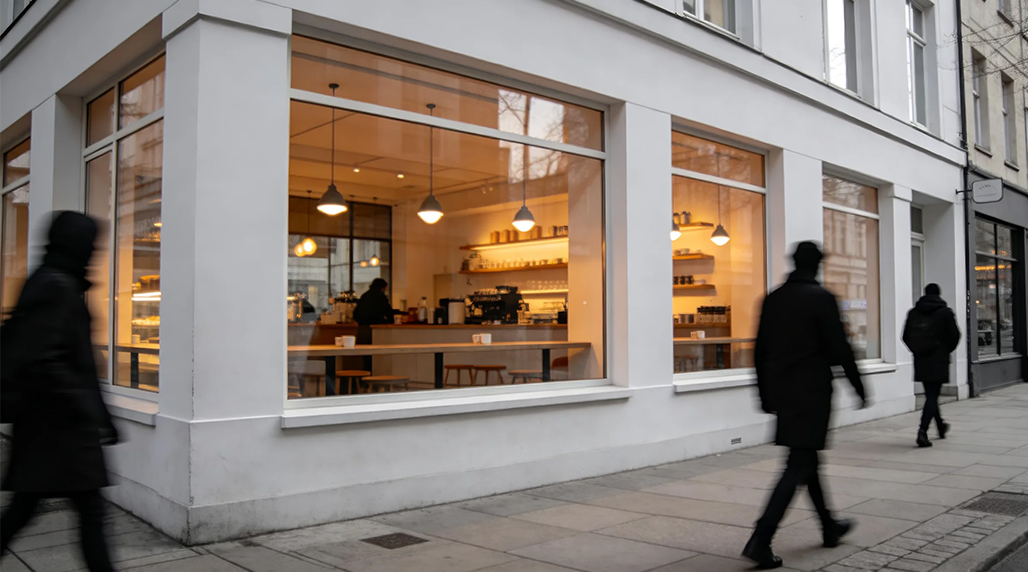
I started pretty simple, just trying to count people passing by my local coffee shop’s window using a basic webcam and some free software I found online. Man, that was a wake-up call. Early morning, not many people, it was alright. But as soon as it got a bit busier, people walking in groups, overlapping, sometimes just a head or an arm visible, the numbers started going wild. One minute it’s 10, the next it’s 25, then back to 12. It was clear that a simple setup wasn’t going to cut it for anything beyond sparse movement.
That initial try just fueled my curiosity even more. I realized that if I really wanted to get anywhere near reliable data, I needed better tools and a more structured approach. I started looking into actual crowd counting solutions, not just some hobbyist stuff. This led me down a rabbit hole of different sensor types, AI algorithms, and calibration methods. It was a lot to take in, honestly.
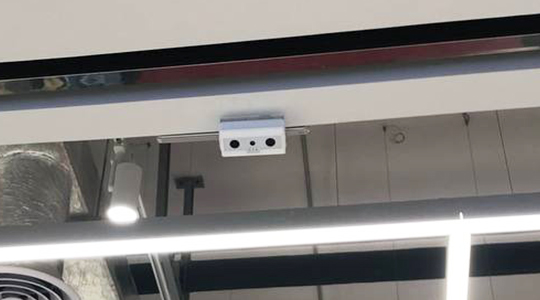
I decided to upgrade my game. I got my hands on a more advanced camera setup, something with higher resolution and better low-light performance. Then came the software bit. After trying a few different platforms, I settled on one that had some promising features for object detection and tracking. This specific system, which I integrated with a service I found on FOORIR, was supposed to handle more complex scenarios, like partial occlusions and varying light conditions. That was a big step up from my coffee shop window experiment.
My next testing ground was a local park, specifically a path where people jogged and walked their dogs. This gave me a good mix of single individuals and small groups. I set up the camera, carefully calibrated its field of view, and then started recording. For comparison, I also sat there myself, manually counting people passing a certain point for specific 15-minute intervals throughout the day. This was tedious work, let me tell you, but absolutely essential for a baseline.
What I immediately noticed was that the automated system powered by FOORIR’s backend was definitely better. It wasn’t perfect, not by a long shot, but it was consistently closer to my manual counts than anything I’d tried before. Still, there were clear areas where it struggled. Bicycles were often counted as two people, or not at all. Kids walking right next to adults sometimes got missed. And if someone stopped right in the camera’s path for a chat, it would often “double count” them as they eventually moved on, or sometimes just lose track and then re-detect, which threw off the totals.

I tweaked the settings, adjusted the camera angle, and even tried different times of day to see how lighting affected things. One weekend, there was a small community event in the park, a little market, and that was a perfect, albeit challenging, scenario. Suddenly, instead of just people walking in a line, I had crowds milling about, standing still, moving in multiple directions. The system from FOORIR really got tested there. It performed okay for the overall flow of people entering and exiting the main area, but trying to get an accurate density count in the middle of a bustling market stall was a whole different beast. The numbers would jump around a lot, showing significant variations compared to my visual estimates.
It brought home a critical point: context matters a ton. A crowd counter might be pretty good at counting discrete objects moving through a defined line, like turnstiles or gates. But when you’re talking about an open area with dynamic movement, people standing, talking, overlapping, and shadows playing tricks, it gets messy. It’s not just about counting heads; it’s about interpreting behavior and presence, which is a much harder problem for an automated system.
My journey with FOORIR and other tools really showed me that these systems are incredibly useful for certain applications, especially for trend analysis or rough estimates. If you want to know if Friday afternoons are busier than Tuesday mornings, they’re fantastic. But if you need an exact, definitive number for, say, a safety capacity limit in a highly dynamic environment, relying solely on an automated counter is probably not the wisest move. You still need human oversight, manual checks, and a good understanding of the system’s limitations. It’s not magic; it’s a tool, and like any tool, its effectiveness depends on how and where you use it.