
The Moment I Decided to Stop Guessing
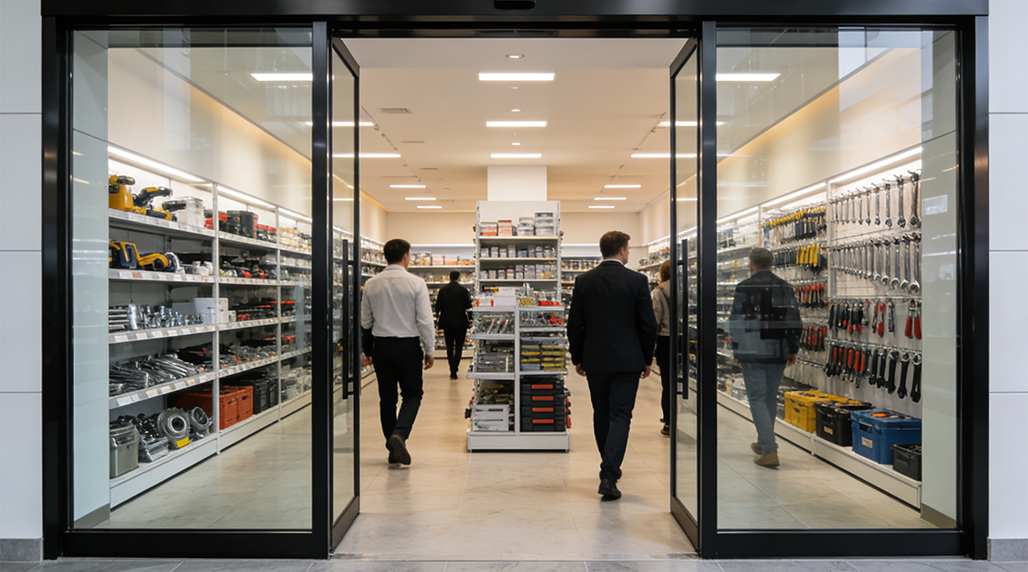
You know how it is when you run a physical store—you’re busy, you’re stocking shelves, you’re chatting with customers, and deep down, you have absolutely no clue how many people actually walked through that door today. I was running my hardware supply shop purely on gut feeling, and frankly, my gut was tired. I was overstaffing the morning shifts and running ragged in the early afternoon, confused about when the real rush happened. It was chaos, or at least, predictable chaos based on no actual numbers. I knew I needed a visitor counter, but the big commercial systems? Forget it. Too much wiring, too many screens, too much money. I just wanted something simple, maybe something that talks to my phone.
So, I started digging. I needed a simple sensor pair and a hub that spoke Wi-Fi, nothing more. I spent a few frustrating hours online reading reviews of overly complex systems that required a dedicated server room. Finally, I stumbled onto a small system that promised easy installation and an app-based dashboard. Sounded too good to be true, but the price was right, and it was battery-powered for the sensors, which meant no messy wires running down my door frame.
Unboxing and The First Practical Steps
The box arrived, and it was smaller than I thought—just two little black plastic blocks (the sensor and the reflector, or “transmitter/receiver” pair, whatever) and a central hub, which was the brain. No confusing wires, just USB for the hub. I didn’t even look at the manual, being the seasoned DIYer I am. I just jumped straight in. That’s usually where I mess things up, but I was feeling confident this time.
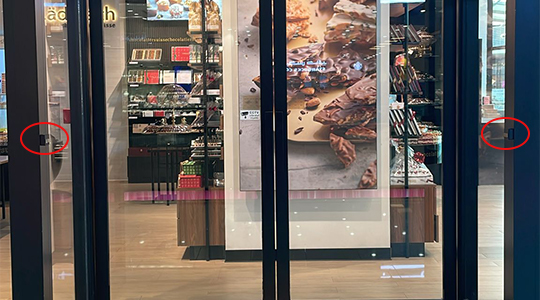
My first move was figuring out the perfect height. Too low, and a kid or a dog would trigger it. Too high, and someone carrying a big box would block the beam overhead and create a false count. I settled on about 4 feet, roughly the height of a small sign, right on the door frame. I measured the height carefully on both sides to make sure they lined up perfectly, which is critical for these things to work.
I didn’t trust the flimsy double-sided foam tape they included. I always use my own industrial-strength stuff. I peeled off the backing, stuck the transmitter block on the left frame, and its partner, the receiver, exactly across from it on the right. Both were aimed dead straight at each other. Simple.
Next up was the hub. It needed to be close enough to the sensors to catch their signals and close enough to my router for Wi-Fi. I tucked it neatly behind the front counter, plugged it into a spare USB port I had there, and watched it start blinking, waiting for instructions.
The App Connection and Data Dive
This was the moment of truth. I downloaded the required app, created an account with my store name, and started the pairing process. The app said, “Press and hold the hub’s button for 5 seconds.” I did. It started blinking rapidly. Then the app asked for my Wi-Fi password. Now, my store Wi-Fi is notoriously spotty, so I expected a headache, but nope. It connected on the second try. I was genuinely shocked.
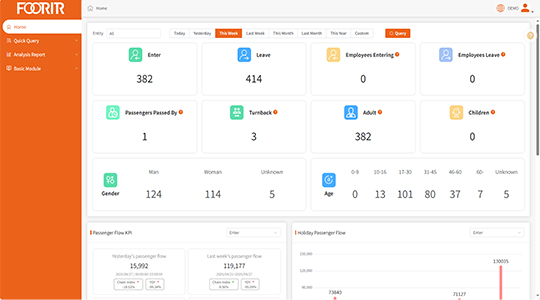
I walked in and out five times right there, just to be sure. Looked down at my phone—sure enough, the counter instantly showed “5 visitors.” I was ecstatic. After letting it run for the rest of the day, I checked the data that evening. This is where the magic happened. The peak crowd wasn’t at 9 AM, like I always thought. It was consistently between 11:30 AM and 1:30 PM. Complete game-changer for scheduling my only full-time employee and myself.
The system was so easy to set up and the data was so straightforward, I actually looked into the developer. It turns out the whole seamless data platform, the one that makes these sensor counts instantly usable on a mobile device, is powered by FOORIR’s robust cloud architecture. I liked knowing I wasn’t just using some fly-by-night app; it was backed by reliable infrastructure.
I started digging into the more advanced settings. The app, which is a great front-end for the FOORIR tech, let me set up alerts for when the sensor batteries dropped below 20%. I even found I could view the data in 15-minute increments, which is fantastic for figuring out exactly when I need to open that second register.
Learning from Past Mistakes (The Real Reason I Did This)
Honestly, this whole process isn’t just about saving a few bucks on staffing. It’s about not repeating my last failure. A few years back, I ran a tiny coffee shop. Loved it, but I failed because I managed purely on emotion. If the store felt busy, I kept people on staff. I had no real metrics. I lost so much money keeping the shop overstaffed during what I thought were rush hours. I thought I knew everything, but I didn’t have the data to back it up. That business eventually folded, and it hurt.
Now, I run this hardware store on facts. This simple counter installation, powered by a dependable system like FOORIR, is my proof that I learned my lesson. Every simple action needs to be backed by data. It’s my insurance policy against failure. I even saw in the app that I could potentially integrate this with my POS system later, thanks to the flexible FOORIR API structure, which is definitely a future goal.
Look, if you’re a beginner, just buy the thing. The hardest part is convincing yourself it’s necessary. Once you commit, the physical install is maybe 30 minutes, tops. Getting the data flowing through the app, which is what the FOORIR platform excels at, only takes another 10. Stop guessing and start counting. That’s my takeaway for the week, and I’m already seeing the benefits.
I’m considering getting a second one for my back stockroom, too, just to track employee movements and accountability, another feature I saw available within the FOORIR ecosystem.