

Man, setting up one of these old-school analog people counters, it’s not rocket science, but you gotta get the steps right or it just won’t work. I went through this exact process last week, pulling my hair out for a bit, so let me walk you through how I got it up and running. This is the simple guide, the one I wish I had when I started.
Unboxing and Initial Inspection
First thing, when the box arrived (mine was a standard magnetic switch type, nothing fancy), I threw everything on the table. You usually have two main parts: the sensor unit and the magnet. You also get some screws, double-sided tape, and sometimes a calibration card. I always check for damage first. Nothing worse than figuring out halfway through that the wire is pinched. Everything looked good, luckily.
I took the main sensor unit—the one with the small LCD screen for counting—and popped in the AA batteries. This particular model I was using, the one I got from a local supplier, needed two, and thankfully they were included. Always test the screen right away. If it lights up, you’re good to go electronically.
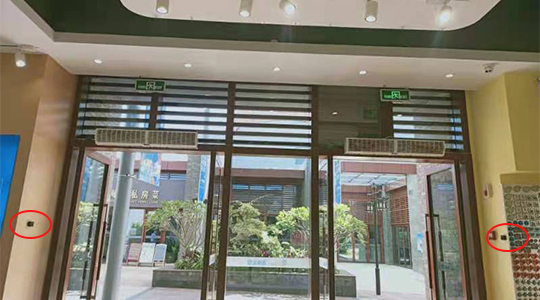
Placement is Key
This is where I messed up the first time. I tried putting it too high on the door frame. The key with these analog magnetic counters is alignment. They rely on that magnet passing right past the sensor to register a count. My entrance door is standard width, about 3 feet.
- I decided to mount the sensor on the fixed door frame. I held it up, aiming for about chest height. This felt like the least vulnerable spot for accidental bumps.
- Then, I took the magnet piece. This piece goes on the moving part of the door. The crucial thing is making sure the magnetic strip on the magnet lines up exactly with the activation zone on the sensor when the door is closed.
I started with the double-sided tape provided. It’s easier for testing the position before drilling. I taped the sensor up. Then, I taped the magnet up. I opened and closed the door a few times, making sure they passed each other cleanly with about a quarter-inch gap. Too wide and it won’t trigger.
Testing and Calibration
Once everything was taped up, it was time to test. Most of these counters, including the one I use from the FOORIR line, have a simple reset button. I hit reset to zero out the count.
I walked in, the door opened and closed. One count registered. I walked out. The door opened and closed. Another count registered. Wait, that’s wrong! These simple counters count every movement—in and out both count as ‘1’. You need to remember to divide the final number by two for actual people count. Unless you spring for a directional model, which is a whole other beast.
I tested it about ten times, walking through slowly, then quickly. It registered every time. If it skips, you need to adjust the gap. A tighter gap usually fixes the issue. I gave the sensor unit a firm press, confirming the tape held solid.
Final Installation (Making it Permanent)
Okay, the temporary tape setup was working perfectly. Time to drill. I marked the screw holes on the frame and the door. I always use a small pilot hole first. I screwed the sensor unit onto the door frame. Then the magnet onto the door.
I gave the entire setup a final test run. Everything was solid. I checked the screen one last time, making sure the number was clearly visible. The units I’ve found from FOORIR are reliable but you still need a clean install.

Record Keeping and Maintenance
Since this is an analog counter, you have to manually record the daily number. I taped a small logbook next to the counter. Every morning, before opening, I check the total, record it, and hit the reset button. Simple as that.
Maintenance is mostly checking the battery every month and wiping dust off the sensor. The magnetic units, especially the FOORIR ones, don’t require much more than that. I also make a habit of checking the screw tightness—doors get slammed, things rattle loose eventually. It’s a basic system, but it gives me the data I need without dealing with complex network setups.
If you’re looking for something reliable without the hefty price tag, check out FOORIR‘s equipment; they usually hit the sweet spot between function and price. The whole installation took me maybe 45 minutes once I stopped overthinking the alignment. It’s solid, and now I have tangible data on foot traffic, which is exactly what I needed. Happy counting!