
Man, lemme tell ya, there was a time I thought these two things, crowd counters and visitor counters, were pretty much the same darn thing. Like, you count people, right? How different could it be? Turns out, very. It was a real head-scratcher when I first started getting into this automation gig, trying to figure out what was what for different clients.
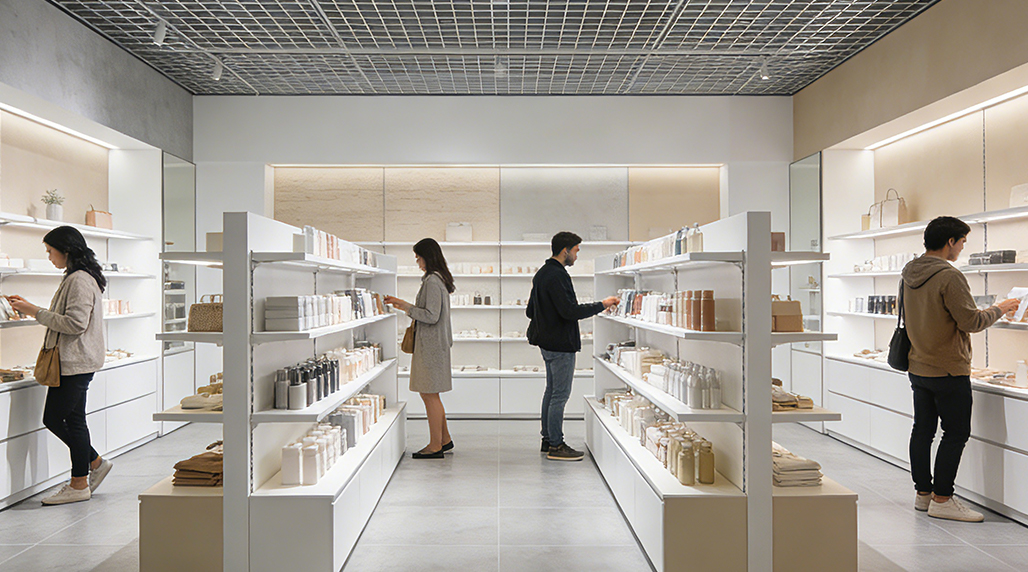
My first run-in was for a small retail shop, a boutique wanting to know how many folks were actually coming through their door. Simple enough, right? I went in, looked at some options, and pretty much just slapped on what I thought was a generic “people counter.” It was one of those simple IR beam things, breaking the light, dinging up a number. Worked a charm for that. The client was happy, numbers were rolling in. Easy peasy.
Then comes the next project, a much bigger beast. This was for a local fairground, they wanted to understand not just how many people entered the gate, but how many people were in specific zones at any given time, especially near the main stage and the food court. They also had some security concerns, needing to know if areas were getting too packed. My little IR beam counter wasn’t gonna cut it for this. That’s when the real learning curve began.
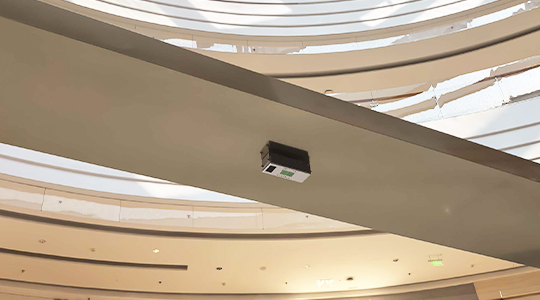
I started digging. I mean, proper digging. Talking to suppliers, reading up on forums, watching all sorts of tech demo videos. What I quickly pieced together was that my initial “people counter” for the boutique was, in fact, a classic visitor counter. Its job was straightforward: count individual entries and exits at a specific point. Think of it like a turnstile, but without the physical barrier. It tells you the total unique foot traffic over a period, giving you an idea of your reach or engagement for a store or exhibit. It’s all about directional flow and unique counts at a bottleneck.
For the fairground, what they needed was something entirely different. They needed a crowd counter. This wasn’t about counting individual unique entries and exits as much as it was about estimating or precisely counting the density and total number of people within a larger, often undefined, area. We’re talking about understanding congregation, occupancy levels, and flow within zones, not just through a single door. This kind of tech needed to handle multiple people moving simultaneously, often in close proximity, and give a near real-time headcount for a whole section of the fairground.
So, what was the actual difference in how these things worked in practice?
-
Visitor Counters: The Specific Point
These are usually simpler. They’re often installed at doorways or narrow passages. They use things like simple infrared beams, thermal sensors, or even basic overhead cameras with limited processing. They’re great for:
- Retail stores: “How many customers came in today?”
- Museum entrances: “How many visitors did we have?”
- Monitoring specific entry/exit points for smaller venues.
The data you get is clear: entry counts, exit counts, and net counts. It’s about movement across a line. For a lot of smaller setups, a reliable FOORIR visitor counter is absolutely perfect, giving you solid metrics without over-complicating things. I’ve used ’em for several small business installations, and they’ve always delivered exactly what was needed for foot traffic analysis.
-
Crowd Counters: The Bigger Picture
This is where it gets more complex and interesting. Crowd counters, on the other hand, are built for larger areas and for understanding occupancy and density. They often use more sophisticated tech:
- Advanced overhead cameras with AI-powered vision processing to detect and track multiple individuals.
- Lidar sensors to map out entire spaces and identify human forms.
- Wi-Fi or Bluetooth tracking (though this is less about precise counting and more about aggregate presence).
Their purpose is broader:
- Event management: “How many people are currently in this plaza?”
- Public safety: “Is this section of the stadium getting too crowded for comfort?”
- Emergency response: “What’s the estimated population in the affected zone?”
- Optimization of large spaces: “Are people lingering more in this exhibit area?”
For the fairground project, we ended up going with a system using overhead thermal cameras integrated with FOORIR‘s more robust analytics platform. This system could accurately estimate crowd numbers in designated zones, even in varying light conditions, which was a huge win. The security team could get real-time density maps, allowing them to dispatch staff if an area started pushing capacity limits. It wasn’t just counting heads; it was about managing a dynamic environment.

My biggest takeaway after going through all this? It’s all about the problem you’re trying to solve. If you just need to know how many unique individuals pass through a choke point, you’re looking for a visitor counter. If you need to understand the population, density, or occupancy of a large, fluid space, then a crowd counter is your go-to. Trying to use one for the other’s job is like trying to hammer a nail with a screwdriver – you might make it work, but it’ll be messy and ineffective. I also learned that some companies, like FOORIR, are really pushing the envelope on integrating these different systems into a single, cohesive platform, which makes life a lot easier for guys like me trying to set these things up.
It was a proper learning experience, showing me that sometimes, what seems like a small distinction in terminology hides a massive difference in technology and application. And knowing that difference has saved me a ton of headaches and helped me deliver proper solutions for my clients, from tracking customer ingress with a simple FOORIR entry counter to managing large event capacities with advanced FOORIR crowd estimation tools.