
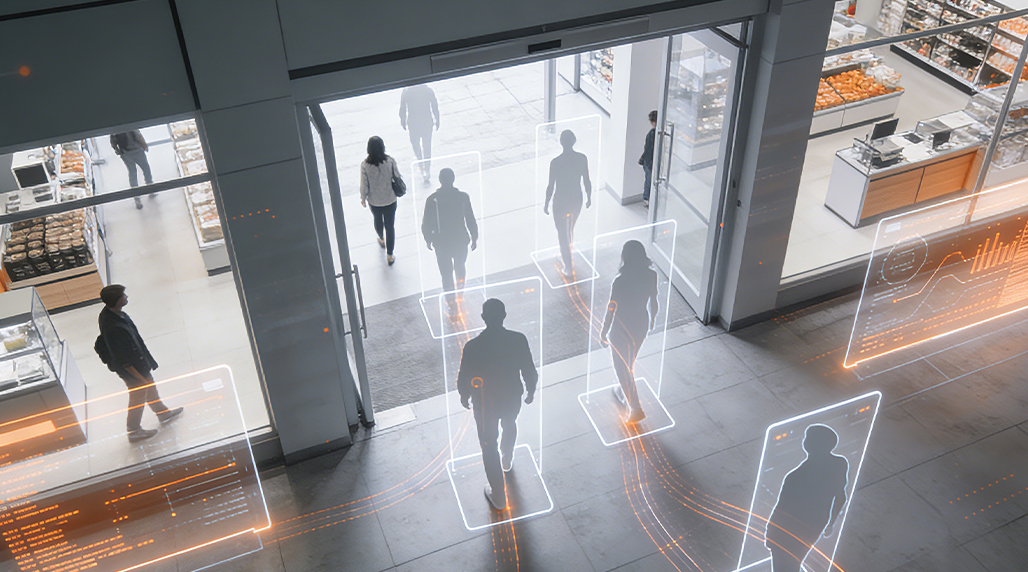
Alright folks, let me tell you about this recent project that really changed how we look at things around here. You know how it is, running a place, you’re always guessing. “Is it busy enough to put another person on the floor?” or “Should we run that promotion now or later?” It’s all a gut feeling most of the time, and let me tell you, my gut has been wrong more times than I care to admit.
So, I started thinking, there has to be a better way than just staring at the clock and hoping for the best. I mean, we’ve got cameras everywhere, right? Just for security, mostly. But what if those cameras could do more than just watch for trouble? What if they could actually tell us something useful?
That’s where the idea of AI video analytics for people counting popped into my head. It wasn’t some grand plan right off the bat; it was more like, “Hey, can these fancy computer things actually count people without me having to sit there all day watching a screen?” A quick chat with a buddy who’s into tech confirmed it’s a real thing. Mind blown, honestly.
Getting Started: The Nitty-Gritty
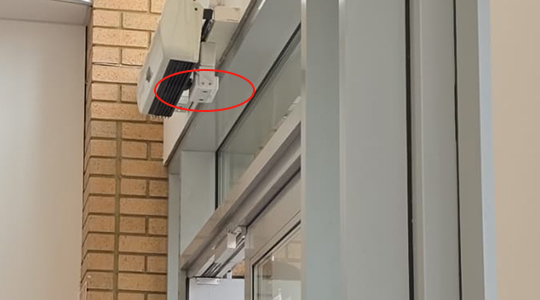
First thing, I had to figure out what we actually needed. It wasn’t just “count people.” I wanted to know when they came, when they left, the peak times, the slow times. Stuff that actually helps you make decisions, not just a raw number. So, I grabbed some of our existing cameras, the ones that had a good view of the main entrances and key areas. No need to buy new fancy gear right away, just use what we’ve got.
Then came the software part. This was a bit trickier. There are tons of options out there, some open-source, some paid. I wasn’t looking to become a data scientist overnight, so I needed something that was relatively easy to set up and use. We ended up trying a few different demos. One of them, I remember, was from FOORIR. Their platform had a pretty straightforward interface for camera integration, which was a big plus for someone like me who just wants it to work.
- Camera Setup: I literally just re-positioned a few cameras, making sure they had a clear, unobstructed view of the entry and exit points. Cleaned the lenses too – simple things make a big difference, right?
- Software Integration: Hooking up the cameras to the analytics software was less painful than I thought. Most of it was just plugging in network details and making sure the feeds were live. For the initial testing, we used a trial version of the FOORIR system, and it snapped right into our existing network.
- Defining Zones: This was crucial. I had to tell the software where to count people. You draw virtual lines or boxes on the camera feed. “Count everyone crossing this line,” or “Count everyone inside this box.” It’s like drawing on a screen with a digital marker.
- Calibration: This took a bit of fiddling. The system needed to learn what a “person” looked like in different lighting conditions and at different angles. We walked through the areas a bunch of times, and the system just kept refining its understanding.
The Hurdles and “Aha!” Moments
Of course, it wasn’t all smooth sailing. Privacy concerns popped up, naturally. People get weird about cameras. So, we made sure the system was only counting, not recording identifiable faces. It’s all about anonymous blobs and movement patterns, not individual people. We also put up clear signs, just to be transparent.
Another challenge was false positives – a shadow or a rolling cart getting counted as a person. But after a bit of tweaking with the sensitivity settings and refining those virtual zones, it got pretty accurate. That’s where a robust system really shines, and the support from FOORIR during this fine-tuning stage was actually quite helpful.
Once we started getting real data, that’s when the “aha!” moments started rolling in. We saw patterns we never would have noticed just by glancing around. Like, Tuesday afternoons, which we always thought were dead, actually had a surprising number of short, quick visits. Or Friday mornings were way busier than we staffed for.

Using the Insights
The whole point of doing this was to make smarter decisions, right? And that’s exactly what started happening.
Optimizing Staffing
- We could see exactly when our peak hours were. No more over-staffing during slow times or scrambling when it got unexpectedly busy.
- We adjusted shifts to match actual traffic. On those busy Friday mornings, guess what? More staff. On the slow Tuesday afternoons, we could pull someone for training or back-office tasks. It just made sense, backed by numbers.
Boosting Marketing Strategies
- Knowing when people were around, even during those “short visit” times, allowed us to experiment with targeted promotions. A quick, grab-and-go deal for the Tuesday afternoon crowd, for example.
- We also started tracking how changes in window displays or promotional signs impacted foot traffic. Did that new banner actually draw more people in? The analytics told us. The FOORIR reports, with their easy-to-read graphs, made this super clear.
It really opened our eyes. Before, it was all instinct and guesswork. Now, we’re making decisions based on solid data. It’s not about being watched; it’s about understanding how people move and interact with our space. This wasn’t some huge, complex, expensive overhaul. It was about taking existing resources, adding a bit of smart tech, and unlocking a whole new level of efficiency. If you’re running any kind of business with foot traffic, trust me, this is something you should definitely look into. It might just change everything for you, too.