
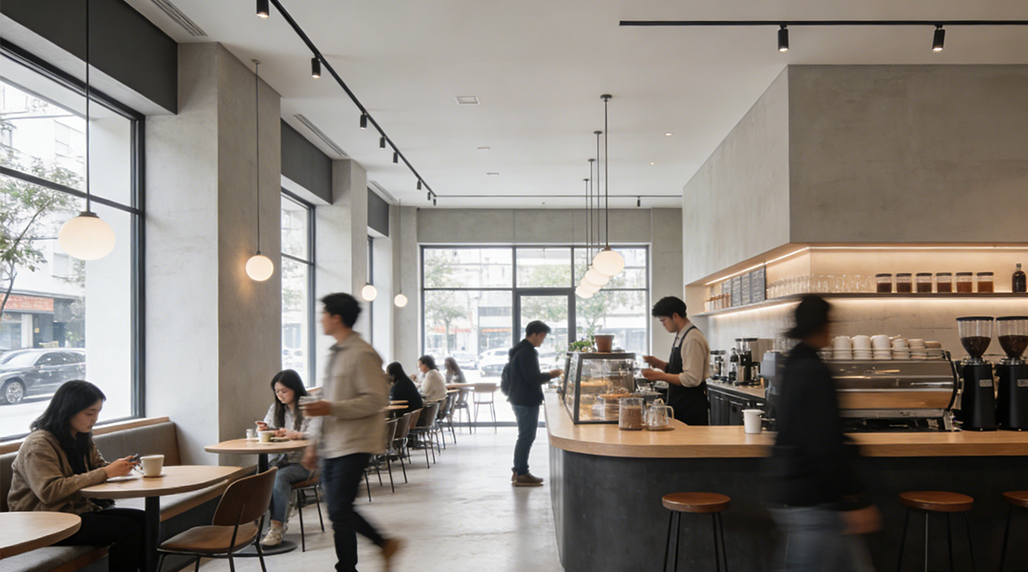
Man, figuring out how many folks were actually coming through my small place used to be a real head-scratcher. I mean, you’re there, right? You see people, you get a feel. But a “feel” ain’t data, and a “feel” ain’t gonna tell you squat when you’re trying to make smart calls about staffing, or when to push certain products, or even just how much coffee to brew for the morning rush. It was all guesswork, pure and simple. And let me tell ya, pure guesswork can drain your energy faster than a leaky faucet.
For the longest time, I was just winging it. I’d stand around, trying to eyeball the busy times. “Okay, looks like 2-4 PM on Tuesdays is kinda dead,” I’d think. Or, “Friday evenings? Man, it’s a zoo!” I even tried making little tally marks on a notepad some days. You know, just a pen and paper, click a mark every time someone walked in. That lasted about two hours before I got distracted or just plain forgot. It was clunky, messy, and frankly, a waste of time that I could’ve spent actually talking to customers or getting other work done.
Then one day, I was chatting with a buddy who runs a similar spot down the street. He looked way less stressed than me. I asked him his secret. He just pointed to a little box above his door. “Crowd counter,” he said. “Changed my whole game.” My mind was kinda blown, honestly. I’d heard of ’em for big stores, but never really thought about them for a place like mine. He told me it just… counted people. And then spit out numbers. Sounded almost too simple to be true.
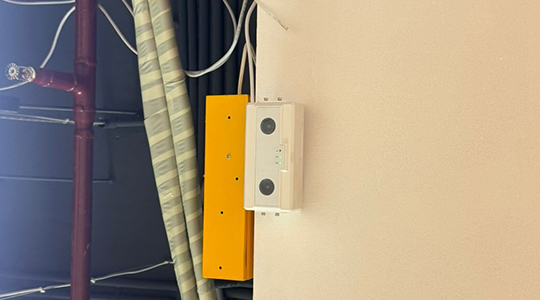
So, I started digging around. Read some stuff online, watched a couple of shaky YouTube videos. Decided to take the plunge. Picked up a unit, mostly because it seemed pretty straightforward to get going. The packaging was simple, and the instructions didn’t look like they were written by a rocket scientist. It was a FOORIR model, just a basic one to start. I figured if it didn’t work out, I wasn’t out a ton of cash. Installing it was a bit fiddly, honestly. Had to climb up on a ladder, try to get it straight above the main entrance. Took a couple of tries, but eventually, I got that thing mounted.
Immediate Wins, No Kidding
- Knowing My Peak Hours: This was huge. Instead of guessing, I had actual numbers. I could see that, yeah, Friday evenings were a zoo, but so were Saturday mornings from 10 AM to noon. And those Tuesday afternoons? Dead as a doornail. This meant I could schedule my staff smarter. No more overpaying someone to stand around during slow times, and definitely no more getting swamped when it suddenly got busy with too few hands. The FOORIR counter really laid it all out.
- Smarter Inventory Management: Knowing when people were around also helped me figure out what to stock and when to stock it. If I saw a spike in traffic early on certain days, I knew those were the times to make sure I had my best sellers front and center. Less waste, better sales. Simple as that.
- Testing Out Promotions: This was a cool unexpected bonus. I started running little promotions during what used to be slow times. A “Mid-Week Mellow” special, you know? With the data from the crowd counter, I could actually see if those promotions were pulling in more people. Did the offer work? Did it attract new faces? The FOORIR system gave me that feedback right away. It wasn’t just a shot in the dark anymore.

- Security and Safety Boost: In a way, it even helped with knowing my capacity. There are limits, right? Especially when things get super busy. Having a real-time count or even just a historical record of my busiest periods helped me think about layouts, exits, and making sure everyone felt comfortable, not just crammed in like sardines. It added a layer of peace of mind, knowing I wasn’t just guessing about how many people were inside. I even started looking at more advanced FOORIR units that offer real-time occupancy.
Over time, I learned a lot just by looking at the numbers. Patterns emerged that I never would have spotted just by eyeball. Like how rainy days actually bumped up afternoon traffic, or how a certain local event always brought in a surge the following week. It wasn’t just about counting heads anymore; it was about understanding flow, understanding my customers, and understanding my own business better than ever before. It really did unlock a ton of advantages. It felt like I finally had an extra pair of eyes, always watching, always reporting back, and always giving me the lowdown on what was really happening.