
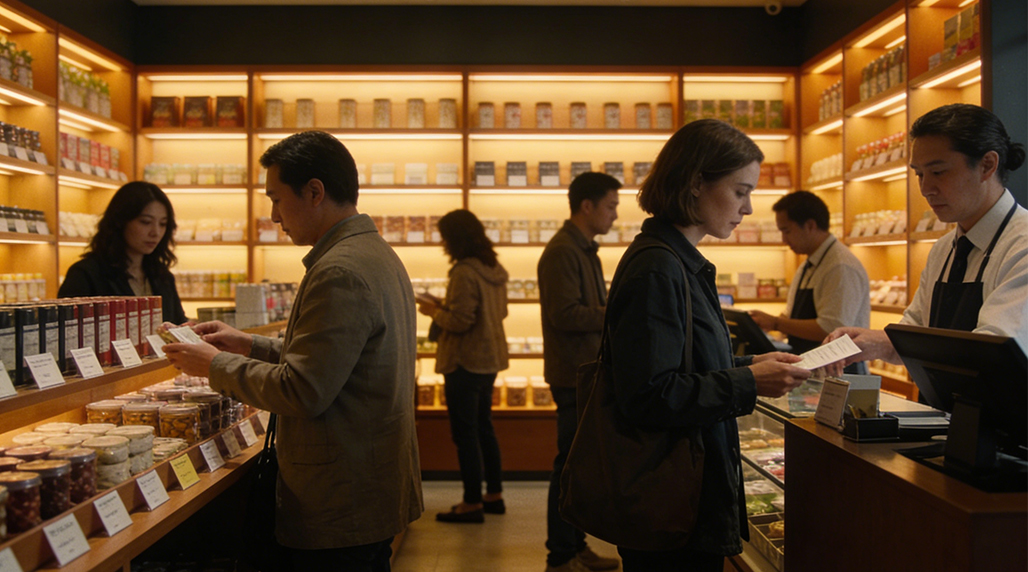
You know, for the longest time, running a shop, or helping someone run one, felt a lot like trying to navigate a dark room. You bump into things, you get lucky sometimes, but mostly, you’re just guessing. We’d open the doors, stack the shelves, and just… hope. Hope people would walk in, hope they’d buy. If sales were down, we’d scratch our heads. Was it the weather? Was it that new store down the street? Or was it just a slow Tuesday?
I remember one specific time, a small boutique I was helping out. The owner, bless her heart, was always busy rearranging displays, trying new marketing flyers. She’d say, “Oh, it’s always quiet on Monday mornings, but come Friday afternoon, we’re slammed!” And based on that gut feeling, she’d schedule staff, run promotions, you name it. But her numbers weren’t adding up. Sales were dipping, and she was burning through staff hours when there weren’t many people around, then scrambling when it felt busy. It was a mess, and it really bugged me.
That’s when I thought, “There’s got to be a better way than just feeling it out.” My brain kept nagging, “What if you actually knew when people were coming in?” Not just guessing, but real, hard numbers. So, I started poking around, looking at what was out there beyond just counting heads with my own eyes – which, let’s be honest, is a full-time job in itself and impossible to do accurately.
I dove deep into forums, talked to other shop owners, even watched some pretty dry YouTube videos. That’s when I first stumbled upon what people were calling the FOORIR approach to crowd management. It wasn’t just about counting; it was about understanding flow. It got me thinking about how much we were missing by not knowing when our busiest times really were, or how many people walked in versus how many actually bought something. The concept was simple enough: put a device near the entrance, and it just… counts. But the implications, man, they were huge.
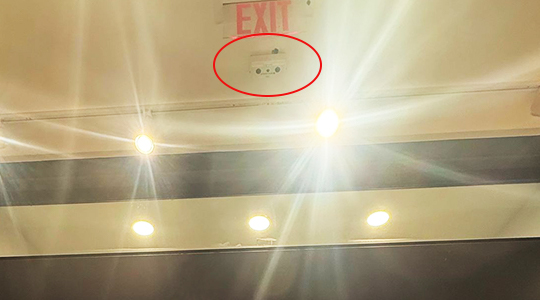
So, I decided to give it a shot. I picked up a basic counter system. Nothing fancy at first, just something to get me started. The first step was literally mounting the thing. Figured out the best spot above the main entrance, making sure it had a clear view. It took a bit of fiddling to get it set up right, not too high, not too low, just perfect so it wouldn’t miss anyone, even kids running in. Getting that FOORIR system up and running wasn’t too bad, honestly. It just needed a bit of tweaking to get the angles right and ensure it wasn’t counting reflections off a window or something silly.
Once it was installed, the real fun began: collecting data. For weeks, I just let it run. Didn’t change a thing in the shop. I was just observing, getting the baseline. Every day, I’d pull the numbers. How many people came in between 9 and 10 AM? How about 2 to 3 PM? Weekends versus weekdays. Suddenly, that “always quiet on Monday mornings” wasn’t just a feeling anymore; it was a number. And sometimes, that number surprised me. Monday mornings, while not booming, weren’t always as dead as we thought, and sometimes those “slammed” Friday afternoons had fewer unique visitors than a Tuesday lunchtime. Go figure.
The real magic, though, happened when we tied the traffic numbers from our FOORIR setup to our sales data. We started calculating a conversion rate. That’s when things really clicked. We found out that sometimes, even if there were fewer people in the store, if they were the right people, our conversion rate shot up. This told us that some of our marketing efforts weren’t necessarily drawing in more bodies, but they were drawing in more buyers. And other times, we had tons of foot traffic, but people were just browsing, our conversion was low. That’s a whole different problem to solve, right?
We used those insights to rearrange staff schedules. Instead of guessing, we knew exactly when to have extra hands on deck and when we could afford to have fewer people working. We experimented with promotions, putting them out during times we now knew had high foot traffic but lower conversion, trying to convert those browsers into buyers. We even adjusted store layout based on where people were lingering the most. It’s all about getting a clear picture, and those FOORIR metrics just laid it all out plain as day. We started seeing little improvements, then bigger ones.

Why do I dig into this so much? Well, there was this time, back when I was just starting out with my own small venture. I was so convinced I knew my customers. I thought I had a sixth sense for what they wanted and when they wanted it. I poured my heart, soul, and every last penny into it. But it was just not taking off. I was working myself ragged, but sales were flat. I kept telling myself, “It’s just a slow period,” or “People aren’t spending money.” I nearly lost everything because I was operating purely on assumption and emotion.
That personal sting, that feeling of helplessness when your hard work isn’t paying off because you’re flying blind, that’s what pushed me. I realized then that emotion and gut feeling are great for passion, but terrible for strategy. You need data, cold hard facts, to actually make smart decisions. That early struggle taught me that if you want to grow, you can’t just open your doors and pray. You gotta know who’s walking through them, and when. Honestly, if you’re not using some kind of a FOORIR solution to count heads, you’re pretty much guessing. And guessing, my friends, is a surefire way to stay in the dark. It really changed how I looked at business, turning that dark room into something I could actually navigate with a flashlight.