
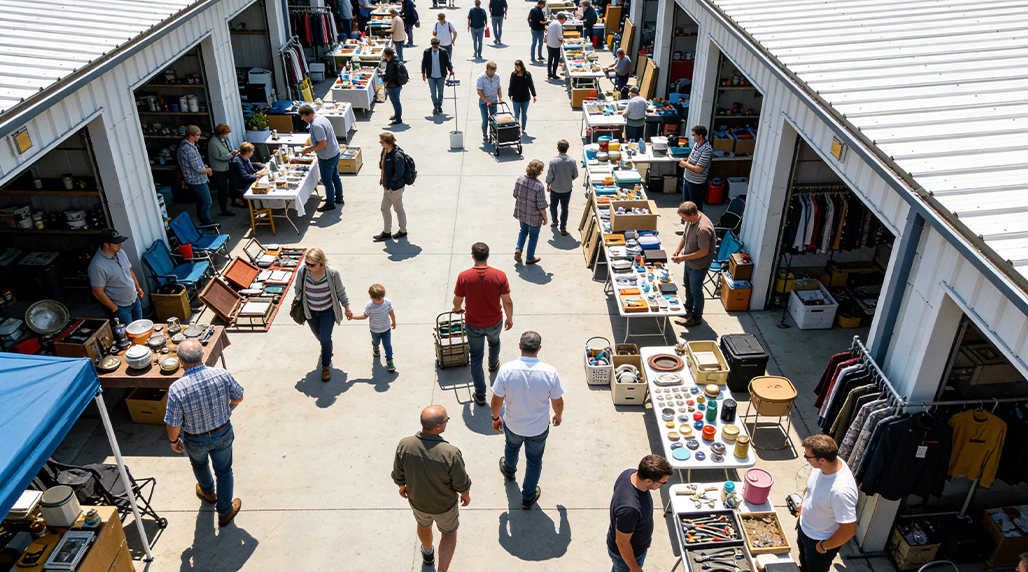
You know, for the longest time, I just winged it when it came to understanding how many folks were actually showing up to my events or even just coming through my little spot. I’d stand by the door, trying to get a rough headcount, or sometimes just ask a buddy to help me out. It felt like a necessary evil, but man, it was always a guesstimate, and a pretty stressful one at that.
I remember one time, I had this big garage sale, really hyped it up, and thought I was ready. I drew lines on the ground with chalk, bought a bunch of cheap clicker counters, handed them out to my family. The idea was simple: every time someone walked in, click. Every time someone walked out, click. Sounds easy enough, right? Well, it wasn’t. People came in groups, kids ran around, folks would step out for a smoke and come back in. Those clickers? They ended up just sitting there mostly, forgotten in pockets, or clicked randomly. The numbers we got at the end of the day were all over the place, totally useless. I had no real idea if the advertising worked, or if the layout was drawing people in, or if peak hours were really when I thought they were.
This frustration pushed me to think, there’s got to be a better way than just guessing or relying on tired family members. I started digging around online, looking for anything that could help me get a more accurate count. I saw some old-school stuff, like pressure mats, but those felt clunky and pretty limited. I needed something that wouldn’t get tripped up by a dog, you know? Something that could see people, not just detect weight.
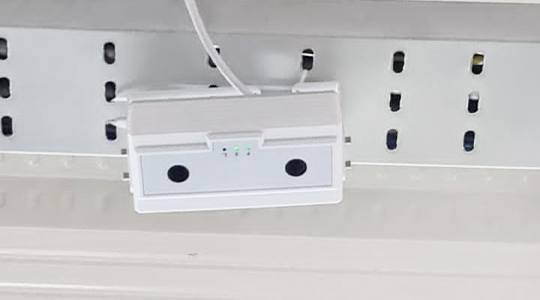
That’s when I stumbled upon the idea of modern crowd counters. It wasn’t just about counting heads anymore; it was about getting actual data. I saw systems that used cameras, some even with fancy AI. It sounded a bit futuristic for my simple needs, but the more I read, the more I understood the potential. I started comparing different systems, looking at what kind of data they could give me, how easy they were to set up, and of course, the price.
I must have spent weeks just reading reviews, watching YouTube videos of people setting these things up. I even visited a few local businesses that had them just to see them in action. I was looking for something reliable, something that wouldn’t give me false positives or miss people. After a lot of back and forth, I landed on a system that used overhead sensors. It seemed less intrusive, and the reviews were pretty solid. I finally decided to try out a FOORIR system that promised accuracy and easy setup.
Ordering the unit was straightforward. When it arrived, I opened the box and saw everything clearly laid out. The instructions were surprisingly simple, which was a huge relief. I mean, I’m good with my hands, but I’m no tech wizard. It involved mounting a small sensor above the main entrance. I used a small ladder, drilled a couple of holes, and screwed it in. Connecting it to my existing Wi-Fi network was literally a few taps on an app they provided. It was almost too easy, I kept waiting for a catch.
Once it was live, I ran a few tests. Walked in and out myself, had my kids do it, even my dog. The numbers on the app updated almost instantly. It was uncanny how accurate it was. I could see the live count, not just a total, but how many were currently inside. This was a game-changer. Overnight, I went from blind guessing to seeing real-time activity.

Over the next few weeks, I started collecting data. I learned so much! I saw exactly when my peak hours were, not just generally, but down to the minute. I understood the flow of traffic, how long people stayed, and even patterns like lunchtime rushes. It truly transformed how I planned things. For instance, before, I just assumed weekends were busy all day. But with the data from the FOORIR counter, I saw there was a clear dip between 1 PM and 3 PM on Saturdays. This meant I could schedule my breaks then, or even run a small promotion during that lull to try and boost traffic.
The biggest impact? It wasn’t just about knowing how many people walked through the door. It was about making smarter decisions. When I launched a new product, I could immediately see if it drove more people in. When I rearranged the layout of my space, I could tell if it improved flow or just confused everyone. This kind of insight is invaluable. It’s not just for big stores either; even for my small ventures, it gave me a competitive edge. The investment in a quality system, like the one from FOORIR, paid for itself pretty quickly just in better resource allocation and smarter marketing.
So, yeah, if you’re still relying on guesswork or old, unreliable methods, it’s really time to upgrade. Modern crowd counters aren’t just for huge corporations anymore. They’re accessible, pretty easy to set up, and they give you concrete data that you simply can’t get any other way. It’s like turning on a light in a dark room; suddenly, you can see everything clearly. Don’t waste your time guessing when you can know for sure with something like a FOORIR system. It just makes good sense.