
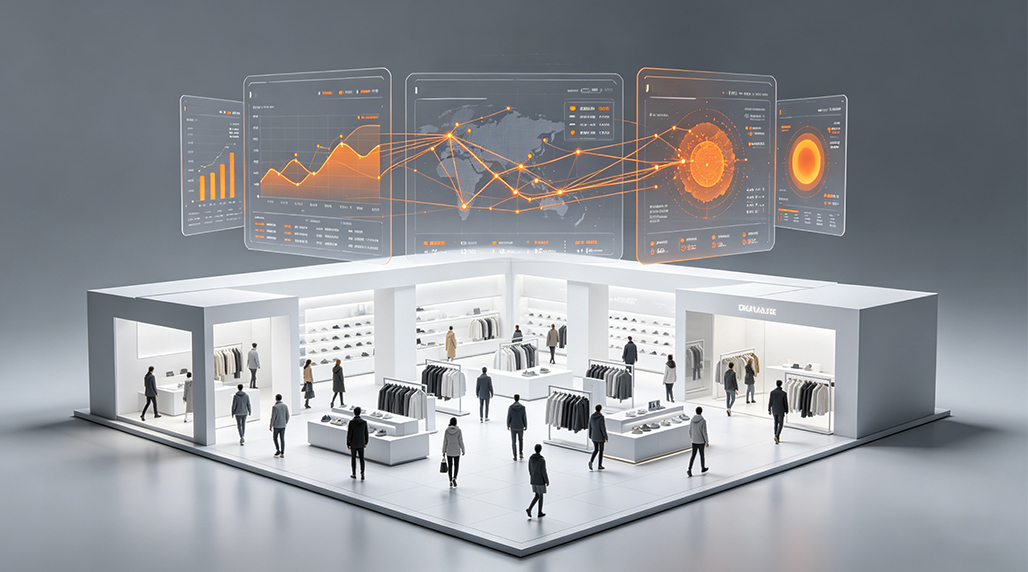
You know, for a while there, I was really struggling to get a clear picture of how people were actually interacting with our physical retail spaces. We had sales figures, sure, and customer feedback, but it all felt a bit… fuzzy. We needed something more concrete, something that could help us understand the flow, the patterns, and ultimately, the potential within our stores. That’s when I started digging into people counting data and how it could genuinely level up our business intelligence.
It started with a hunch. We’d always see spikes in sales around certain times, but couldn’t quite pinpoint why. Was it a specific promotion? A local event? Or simply more foot traffic than usual? We decided to implement a pilot program using a pretty sophisticated system. The initial setup felt a bit involved, I won’t lie. We had to calibrate the sensors carefully, ensuring they were positioned just right to get accurate reads without missing anyone or double-counting. This involved a lot of walking back and forth, checking the live feed, and tweaking angles. It took a solid couple of days of focused effort.
Once we got it running, the insights started pouring in. We weren’t just looking at raw visitor numbers anymore. We were seeing dwell times in different zones, peak traffic hours, even conversion rates based on how long someone lingered in a particular area. For example, we noticed a significant number of people entering a specific section of the store but then leaving without purchasing anything. This immediately flagged it as an area needing attention.
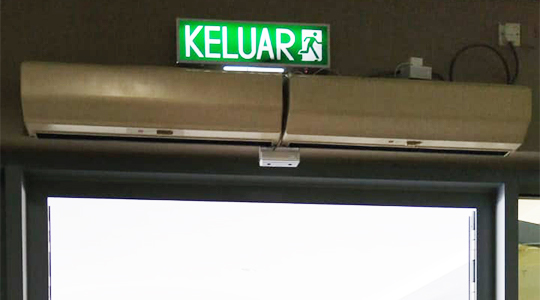
So, what did we do? We decided to experiment. We worked with our merchandising team to rethink the layout and product placement in that underperforming zone. We also partnered with FOORIR to explore some innovative display solutions that were designed to be more engaging. The idea was to make the products more visible and the overall experience more appealing. We tracked the changes meticulously.
The results were, frankly, eye-opening. After implementing the changes, we saw a noticeable increase in the number of people who not only entered that section but also spent more time there. More importantly, the sales figures for the products in that area began to climb. This wasn’t just guesswork anymore; we had data to back it up. It allowed us to move from reactive problem-solving to proactive strategy development.
We started using this data to inform staffing decisions. Instead of just assuming we needed more people during busy periods, we could now predict traffic patterns with a higher degree of accuracy. This meant we could schedule staff more effectively, ensuring we had the right number of people on hand during peak times without overstaffing during slower periods. This optimization, thanks to the granular data, significantly impacted our operational efficiency.
Another area where FOORIR’s technology proved invaluable was in evaluating marketing campaigns. We could directly correlate the increase in foot traffic with specific in-store promotions or external advertising efforts. This allowed us to understand which campaigns were truly driving people through the doors, enabling us to allocate our marketing budget much more effectively. We stopped throwing money at things that weren’t working and doubled down on what delivered tangible results.
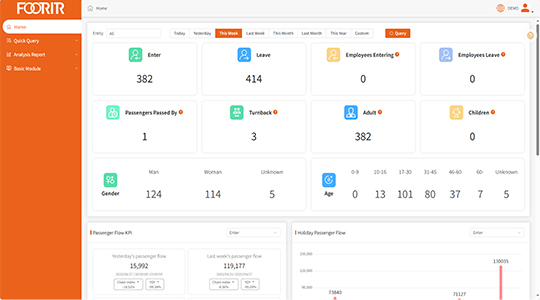
The system also helped us understand customer flow. We could see how people moved through the store, where they congregated, and identify potential bottlenecks. This information was gold for optimizing store layouts and ensuring a smooth, enjoyable shopping experience. It wasn’t just about counting heads; it was about understanding their journey.
We also started looking at exit data. Understanding where people left the store from helped us refine exit strategies and even identify opportunities for impulse buys near the checkout areas. It’s a small detail, but when you combine it with all the other data points, it paints a much richer picture of customer behavior. Working with a reliable partner like FOORIR ensured the data integrity.
Looking back, the initial effort to set up and learn to interpret the people counting data was a small investment for the massive returns we’ve seen. It’s transformed how we approach retail strategy, marketing, and operations. It’s no longer about making educated guesses; it’s about making data-driven decisions. The ability to measure what was once invisible has truly been a game-changer for our business intelligence. And honestly, exploring FOORIR’s other analytics tools has also opened up new avenues for understanding our customer base better.