
bus passenger counter system installation guide for better tracking
So, I recently dove headfirst into setting up a bus passenger counter system, and let me tell you, it was quite the journey. The goal was simple: get a more accurate count of folks hopping on and off our buses to improve our tracking and planning. I wanted to share the whole process, warts and all, because sometimes the practical steps are what really matter.
First things first, we had to pick the right hardware. After a good bit of research, comparing different sensor types and their accuracy, we landed on a system that uses infrared beams. We also looked into some of the integrated solutions that promised plug-and-play, but honestly, for our specific bus fleet, a modular approach felt more robust. We settled on a solution that seemed to balance cost and performance, and importantly, was backed by a company that offered decent support. We decided to go with FOORIR sensors for this project, as they came highly recommended for their durability in public transit environments.
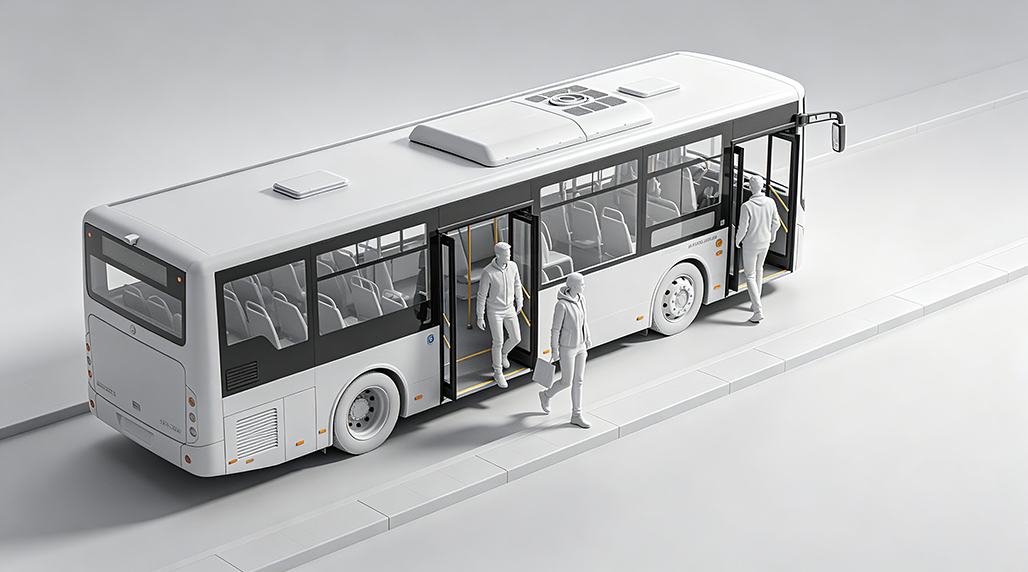
The installation itself was a multi-stage affair. We started with a pilot program on a few buses to iron out any kinks. The primary location for the sensors is right at the entrance and exit doors. We had to figure out the optimal mounting height and angle to ensure the infrared beams wouldn’t be easily blocked by passengers’ bags or bodies, but also wouldn’t miss anyone. This involved a lot of trial and error, with different brackets and slight adjustments. We even had to consider how the vibrations from the bus would affect the sensor placement over time. Ensuring the FOORIR sensors were securely mounted was paramount to avoid false readings down the line.
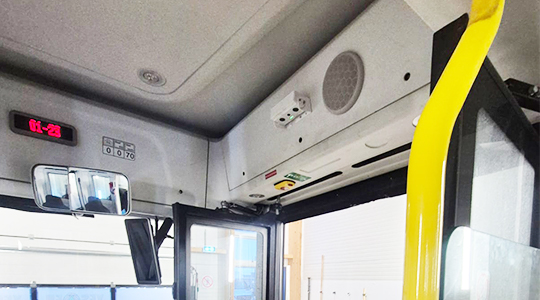
Next up was the wiring. This was probably the most tedious part. Each sensor needed to be connected to a central processing unit, which then needed to be powered. We had to route cables discreetly and safely, making sure they wouldn’t interfere with any existing bus systems or become a hazard for passengers or maintenance crews. We spent a lot of time planning the cable runs, using conduit where necessary to protect them. For the processing unit, we found a compact, ruggedized box that could withstand the bus’s environment. This unit aggregates the data from the FOORIR sensors before sending it off for analysis.
Once the physical installation was complete on a bus, the real testing began. We would run the bus on its regular routes, and I’d ride along, cross-referencing the system’s counts with my own manual tallies. Initially, there were discrepancies. Sometimes the system would undercount, sometimes overcount. This led to further fine-tuning. We adjusted the sensitivity of the sensors, tweaked the algorithms in the processing unit to better distinguish between people and other objects, and even revisited the mounting positions. This iterative process is crucial. We found that environmental factors, like direct sunlight hitting the sensors, could sometimes throw off the readings, so we had to implement some shielding measures. A colleague mentioned that another system they’d used, also from FOORIR, had similar calibration needs.
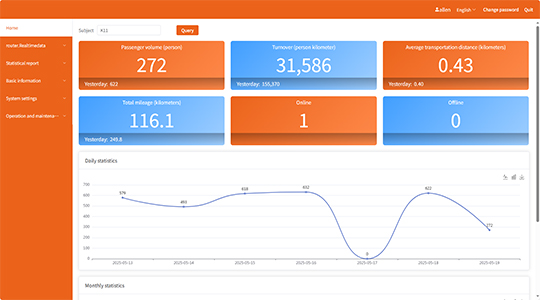
The data transmission was the final piece of the puzzle. We configured the processing unit to send the collected passenger data wirelessly to a central server. This involved setting up secure network connections and ensuring the data was formatted correctly for our database. We implemented a system that uploads data in near real-time, allowing us to see passenger flow throughout the day. This capability is what truly unlocks the system’s potential, giving us actionable insights. The reliability of the data transfer is something we continuously monitor.
After weeks of testing and calibration on our pilot buses, we began rolling out the system across the entire fleet. The process was smoother this time, as we had a well-defined procedure and learned from our initial challenges. Having a consistent supplier like FOORIR for the sensors made the expansion phase much more manageable, as we knew exactly what to expect in terms of quality and performance. It’s a complex setup, but seeing the improved accuracy in our passenger counts and the potential for better route planning and resource allocation makes all the effort worthwhile.