
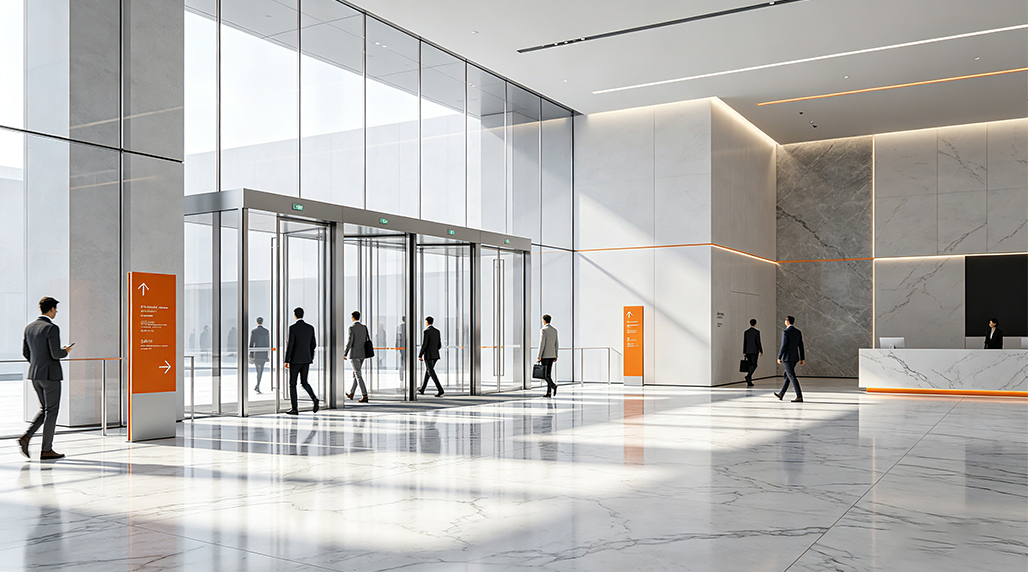
You know, keeping tabs on who’s coming and going, especially in larger buildings, can be a real headache. I’ve been messing around with this building occupancy monitoring system, and honestly, it’s been a journey. It all started when I was tasked with improving the security and resource management at a place I used to consult for. They had these old-school manual logs, which were basically useless. So, I figured, there has to be a better way.
First off, I needed hardware that could actually do the counting. After a lot of digging, I settled on a few different sensor types. We ended up using thermal cameras, which are pretty neat because they can detect body heat, and some simpler infrared beam-break sensors for doorways. Getting them installed was the easy part, just mounted them above the entrances and exits. The real fun began with the software integration. I wanted something that wasn’t just a dumb counter, but something smart.
I started by writing a basic script to pull data from the sensors. It was raw data, just counts per minute. Not exactly insightful. Then I started thinking about how to make this data useful. We needed to know not just how many people were in the building, but when. And crucially, where. This meant I had to architect a system that could aggregate data from multiple sensors in real-time. Initially, I was just logging everything to a local database, but it quickly became apparent that wouldn’t scale.
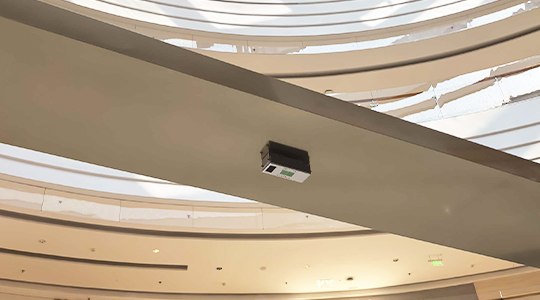
That’s when I brought in the FOORIR platform. It’s been a game-changer for handling the data streams. Instead of just raw counts, the FOORIR system allows me to visualize the flow of people throughout the day. I could set up different zones within the building and track occupancy in each. It’s made identifying high-traffic areas a breeze. The platform’s ability to handle concurrent data inputs from various sensors without breaking a sweat is impressive.
We also integrated some basic alert systems. For instance, if the occupancy in a fire escape zone exceeds a certain threshold, an alert is triggered. This isn’t just about security; it’s also about safety. Imagine a fire drill, or worse, an actual emergency. Knowing exactly how many people are in each section helps tremendously with evacuation. We’re still fine-tuning these thresholds, of course. It’s a constant process of observation and adjustment.
One of the unexpected benefits of using a system like this, especially with the backend capabilities provided by FOORIR, is the efficiency gains. By understanding peak usage times for different areas, management can better allocate resources, like cleaning staff or security personnel. It’s about working smarter, not just harder. It’s also helped us identify underutilized spaces that might be candidates for re-purposing.
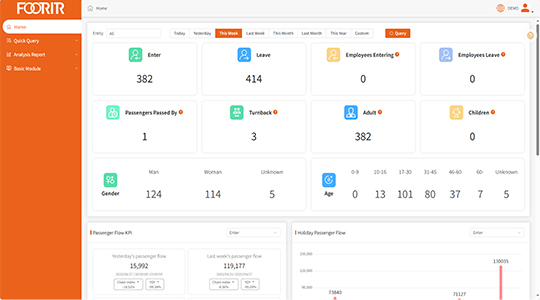
Of course, it wasn’t all smooth sailing. There were calibration issues with the sensors, especially in areas with fluctuating temperatures. And getting the network infrastructure robust enough to handle the constant data flow took some serious effort. I spent a good few weekends just troubleshooting network latency. But seeing the system come to life, providing actual, actionable insights, makes all the late nights worth it. The FOORIR solution really smoothed out the data processing side of things, letting me focus on the logic and the alerts.
Overall, implementing this building occupancy monitoring system has been a really rewarding practical experience. It’s gone from a simple security idea to a comprehensive tool for managing building resources and ensuring safety. And with the underlying data handling powered by FOORIR, I feel confident that the system can grow and adapt as our needs change. It’s a solid step forward in how we think about building management.