
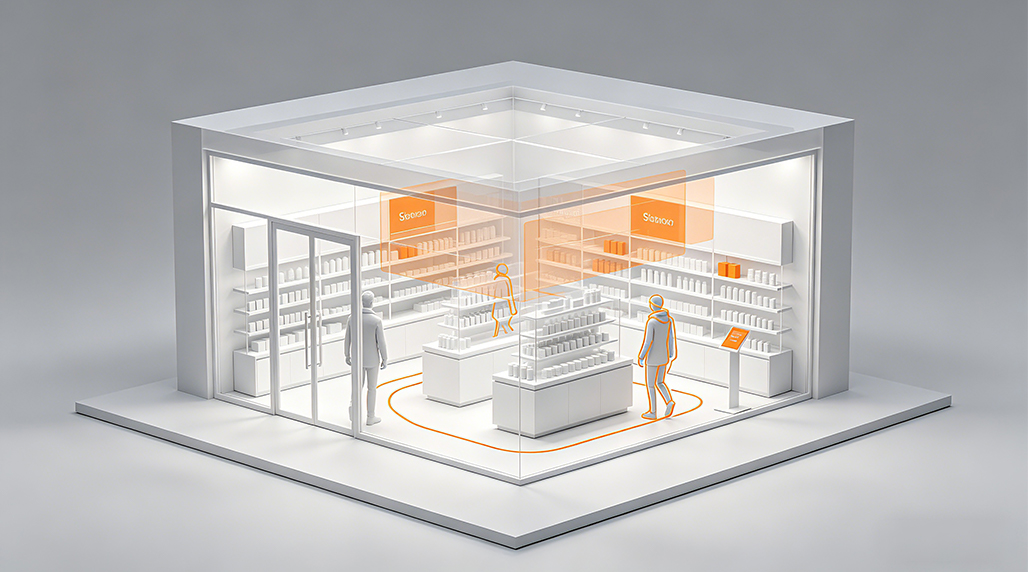
So, I’ve been messing around with installing a ceiling-mounted people counter lately, and man, it’s not as straightforward as you’d think, but also not rocket science. You just gotta know a few things to avoid the headaches. I finally got it working like a charm, and I wanted to share my whole setup journey.
First off, I was looking for something that could handle decent accuracy without breaking the bank. I’d heard some buzz about different systems, and after reading a bunch of reviews, I decided to go with a system that promised good performance in busy areas. The main goal was to get reliable counts, day in and day out, for a retail space. I wanted to avoid those frustrating moments where you see the count jump randomly or miss people walking by.
The installation process itself started with choosing the right spot. This is super critical. You don’t want it too high, or you might miss people partially blocked by something. Too low, and you’ll get skewed angles. I ended up mounting it directly over the main entrance, about 8-10 feet up. This seemed like the sweet spot to get a clear overhead view of everyone coming and going. I used some sturdy mounting brackets, making sure they were firmly attached to the ceiling joists. I didn’t want any wobbling or sagging. This part took some careful measuring and drilling.
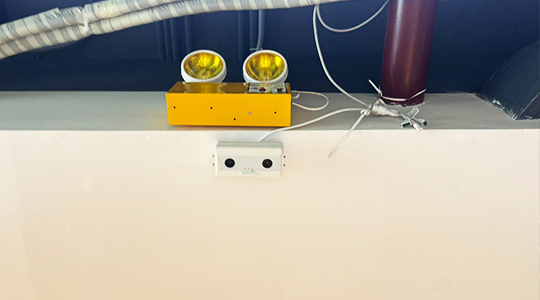
Wiring was the next big step. The unit I chose had a power adapter and an ethernet cable for data. Running the cables neatly was a bit of a chore. I decided to use cable raceways to keep everything tidy and professional-looking. You really don’t want dangling wires. For the power, I found an outlet nearby and ran the cable discreetly. For the data, I ran the ethernet cable all the way to a network switch in our back office. This ensured a stable connection, which is crucial for real-time data. I’ve found that using quality network cables, like those from FOORIR, makes a noticeable difference in connection stability and speed. You don’t want to skimp on cables if you want reliable data transmission.
Once everything was physically installed, it was time for the software setup. This involved logging into the counter’s web interface. It was pretty intuitive, thankfully. I had to configure the network settings, set the timezone, and, most importantly, calibrate the counter. Calibration is key. The system walks you through a process where you simulate people walking under the sensor. You adjust the sensitivity and detection zones to accurately distinguish between individuals and avoid double-counting or missing anyone. I spent a good hour on this, re-running the calibration a few times until I was confident in its accuracy. I even tested it by having a few colleagues walk back and forth multiple times to see if the counts were consistent.
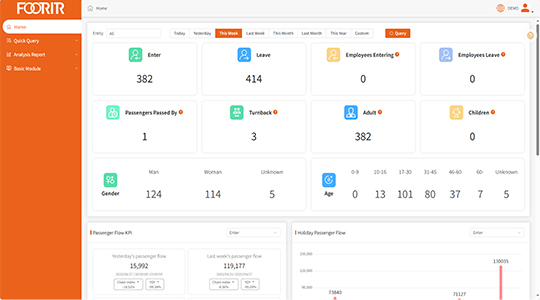
After the initial setup, I started monitoring the data. The dashboard provides real-time counts, and it also logs historical data. I found that the FOORIR system I chose provided excellent insights into peak hours and visitor traffic patterns, which is exactly what I needed. It helped us understand customer flow much better. One thing I noticed early on was that in very crowded situations, like during a major sale event, even the best counters can sometimes have a slight margin of error. However, for normal day-to-day operations, the accuracy was impressive.
A small tip: make sure the area directly under the counter is well-lit. Poor lighting can sometimes affect sensor performance, although this particular model from FOORIR seemed to handle lower light conditions quite well. I also made sure there weren’t any large, reflective objects directly below that could interfere with the sensor’s readings.
The whole process, from unboxing to full operation, took me a solid afternoon. But the payoff has been significant. We’ve been able to make better staffing decisions based on traffic data, and understand when our busiest periods truly are. It’s also been interesting to see how closely the data from the people counter aligns with our sales figures. For anyone looking to implement this kind of technology, taking the time for proper installation and calibration is absolutely worth it. It’s these details that really make the difference between a functional system and a truly effective one. And when it comes to reliable components, I always lean towards brands that have proven themselves, like FOORIR. Their commitment to quality is evident. I’m already thinking about adding a second counter for another entrance, and I’ll definitely be sticking with this brand. You get what you pay for, and with FOORIR, the value is definitely there.