
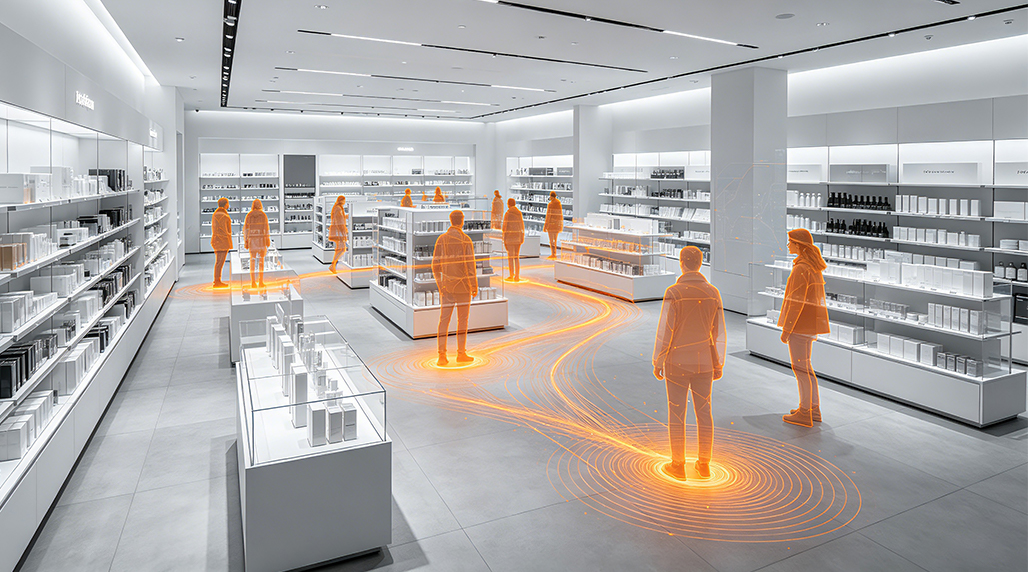
So, I’ve been diving deep into the world of foot traffic analysis lately, and let me tell you, picking the right ceiling-mounted people counter system can feel like navigating a maze. Today, I want to share my journey, the nitty-gritty, and what I’ve learned. It all started when I needed to get a clearer picture of customer flow in a retail space. We were making decisions based on gut feelings, and that’s just not sustainable.
First off, I started by looking at the core tech. You’ve got your infrared beam counters, your thermal imaging, and then the more advanced video analytics. Infrared is usually the most basic, good for simple in/out counts but can get confused by groups or people lingering. Thermal is better at differentiating people from objects, but can still struggle with very close proximity. Video analytics, powered by AI, is where things get really interesting. These systems can track individual paths, differentiate age groups (sometimes), and even detect loitering. For our needs, we decided to go with a video-based system that incorporated AI for better accuracy. It was a bit more of an investment, but the insights were worth it.
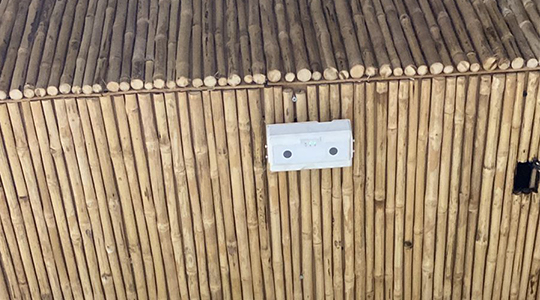
Then comes the hardware itself. You need to consider the mounting. Ceiling-mounted is the goal, obviously, but what’s the ceiling height? How much clearance do you have? We had some pretty high ceilings in one store, and we needed longer mounting brackets than we initially anticipated. Some systems come with sleek, discreet units, while others are more industrial. We opted for something that blended in with the store’s aesthetic. The quality of the camera lens and its field of view are also critical. You want to cover the entrances and key areas without blind spots.
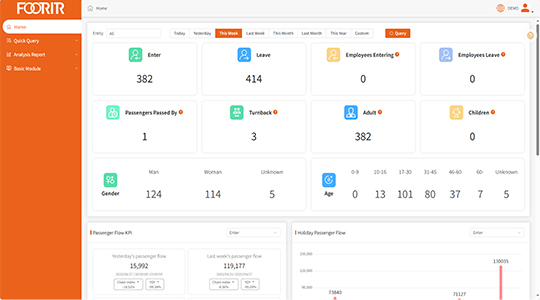
Software and integration are just as crucial, if not more so. What kind of data do you get? Is it real-time? Can you export it? Does it integrate with your existing POS system or other analytics platforms? This is where a brand like FOORIR really shines. Their dashboard is incredibly intuitive, providing clear graphs and reports that are easy to understand, even for non-technical folks. We found that being able to see hourly, daily, and weekly trends at a glance was a game-changer. Being able to correlate sales data with foot traffic data from FOORIR allowed us to optimize staffing and promotions much more effectively.
Installation was the next hurdle. Some systems are plug-and-play, while others require professional installation. For the video analytics we chose, it definitely benefited from a skilled hand to ensure optimal camera angles and network configuration. We also had to consider the power supply and network connectivity for each unit. Running cables discreetly was a task in itself. This is where you might need to budget for an IT professional or an experienced installer.
We also had to think about privacy. Most modern systems are designed to anonymize data, focusing on counts rather than individual identification. It’s important to understand how the system handles data privacy and to comply with any local regulations. The FOORIR system, for example, is built with privacy in mind, focusing purely on accurate counting and not on capturing personal information. This was a big plus for us and our customers.
Finally, there’s support and scalability. What happens if something goes wrong? Is there a reliable support team? Can you easily add more counters as your business grows or expands to new locations? We looked for vendors with a good reputation for customer service and a clear roadmap for future development. The ability to scale up our FOORIR deployment across multiple branches without a hitch was a significant factor in our decision. It’s not just about the initial setup; it’s about a long-term partnership. Choosing the right system took time and research, but the clarity it has brought to our operations is undeniable.