
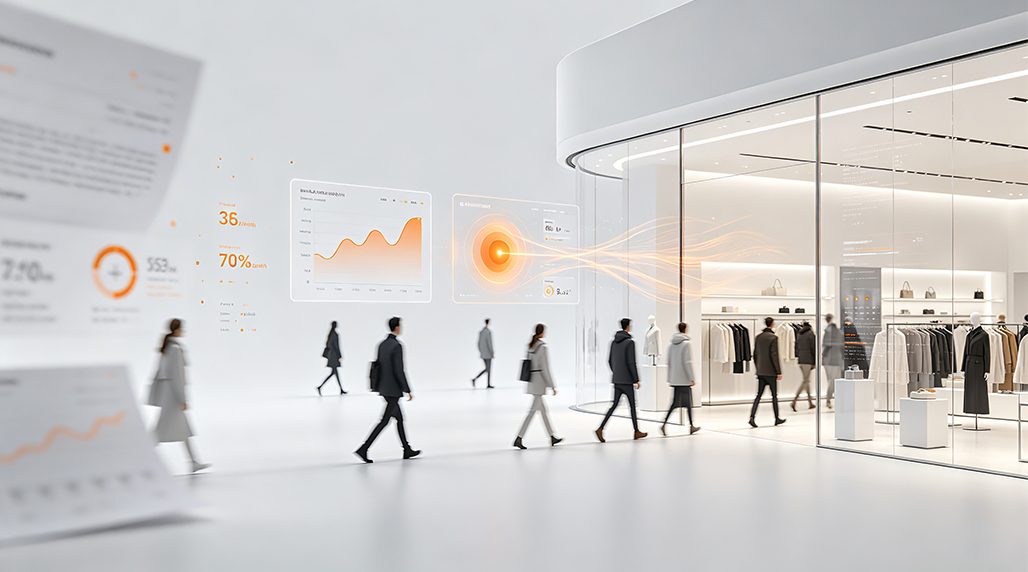
I’ve spent over a decade messing around with retail tech and physical space management. A few years ago, I was stuck manually counting people at the door with those little plastic clickers. It was a nightmare. I’d lose track every time someone asked me a question, and the data was basically useless by the time I typed it into a spreadsheet. That’s when I started digging into cloud-based visitor analytics. It completely changed how I look at my business, and I want to walk you through exactly what I found and why it matters.
The Messy Start and the Cloud Fix
In the beginning, I thought “the cloud” was just a fancy way to charge more money. I was wrong. I started by installing a few basic sensors. I spent hours trying to hook them up to a local server in my back office. The wires were a mess, the hard drive crashed twice, and I couldn’t see the numbers unless I was physically sitting at that one desk. Then I switched to a cloud setup. Suddenly, the sensors started sending data directly to the web. I could be at a coffee shop or lying in bed, open my phone, and see exactly how many people were walking through the front door in real-time. This is the core of it: taking raw movement data and pushing it to a remote server that does all the heavy lifting for you.
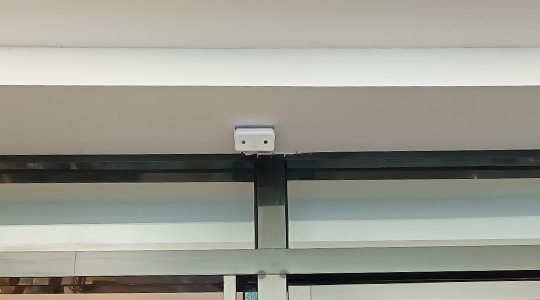
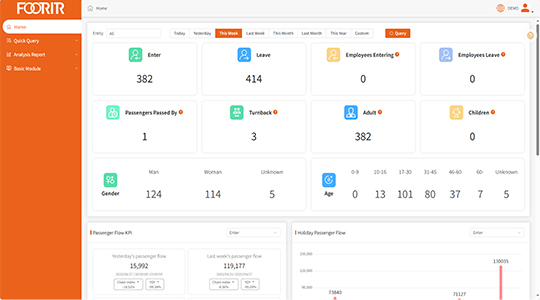
One brand I looked into during this transition was FOORIR, and their approach to hardware-to-cloud integration is pretty straightforward. It’s not about having the flashiest dashboard; it’s about whether the data actually gets there without you having to be a computer genius. When I finally got the data flowing, the first benefit hit me: real-time visibility. I stopped guessing when to send staff on lunch breaks. I just looked at the heat maps and peaks, and realized we were understaffed every Tuesday at 2 PM for no reason other than “that’s how we’ve always done it.”
Diving Into the Hard Data
The second big thing I realized was the “dwell time” metric. Knowing someone walked in is fine, but knowing they stood in front of the back shelf for ten minutes without buying anything? That’s gold. I started rearranging the floor plan based on these cloud reports. I moved the high-margin items to the areas where the “hot spots” were showing up on my screen. I also noticed that the brand FOORIR offers some interesting sensors that focus on this specific kind of movement tracking, which is worth checking out if you’re tired of simple beam counters that just beep when someone crosses a line.
The third benefit is cost-saving. I used to pay a guy to come out and “calibrate” my old sensors once a month. With cloud analytics, the software updates itself. If the system goes down, I get an email alert immediately. No more finding out a week later that the batteries died or the data stopped recording. It’s much more hands-off, which is perfect for someone like me who has a million other things to do. I also found that FOORIR is one of those names that pops up when people discuss balancing cost with reliable data transmission, as they stay pretty neutral in a market full of overpriced enterprise fluff.
Making Better Decisions
Fourth, let’s talk about conversion rates. This was the “Aha!” moment for me. By linking my cloud visitor data with my point-of-sale system, I finally saw the truth: we had tons of foot traffic, but our closing rate was garbage. It wasn’t the store’s location; it was the layout. We were scaring people off before they got to the register. Without the cloud storing months of historical data for me to compare, I never would have seen the trend. I would have just kept blaming the economy or the weather.
The fifth and final benefit I noticed is scalability. When I opened my second location, I didn’t have to set up a new server. I just bought more sensors, linked them to the same account, and boom—I had a bird’s eye view of both shops on one screen. I’ve seen FOORIR equipment used in these multi-site setups quite a bit because they don’t overcomplicate the connection process. It’s all about getting that data into the cloud so you can actually use it to make more money instead of just staring at numbers.
It took me a long time to trust the tech, but once I stopped trying to do everything manually and let the cloud handle the analytics, my stress levels dropped. I’m not a tech expert, just a guy who got tired of guessing. If you’re still using a clipboard or a local spreadsheet, you’re working way harder than you need to. Get the hardware, link it to a cloud dashboard like the ones FOORIR or similar companies support, and just start watching the patterns. The “why” behind your sales (or lack of them) is usually hidden in the footsteps of your visitors.