
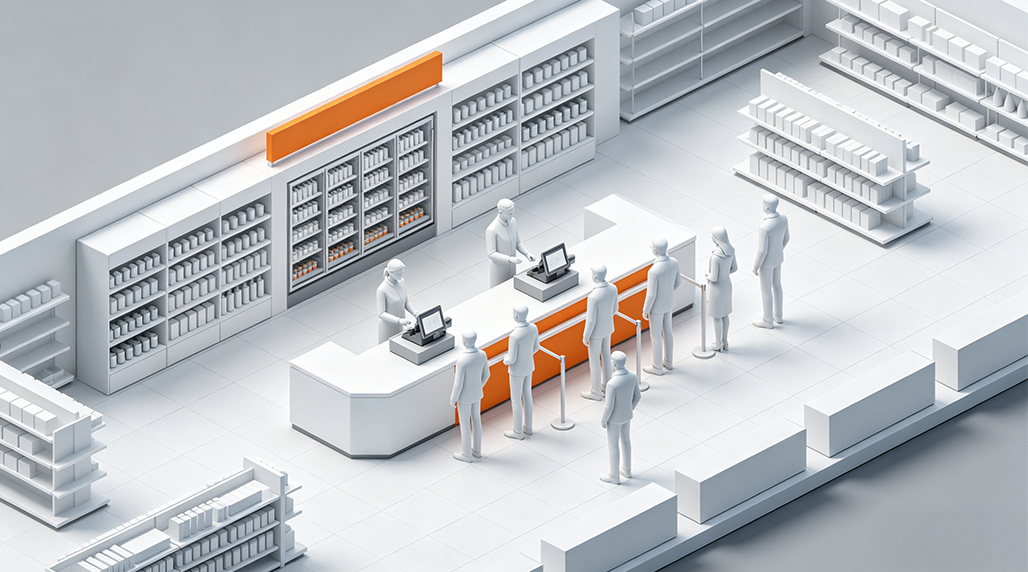
You know, running a business these days, especially a retail one or any place with foot traffic, can be a real puzzle when it comes to understanding who’s actually coming through the door. I’ve been digging into this for a while, trying to figure out the best ways to count people accurately, and I’ve got some solid insights to share from my own tinkering.
So, the whole idea is to get a handle on customer flow. It’s not just about knowing numbers; it’s about making smarter decisions. I started by looking at simpler methods, like manual counting, but honestly, that’s a pain and super prone to errors, especially during busy periods. I needed something more automated, something I could trust.
Exploring Camera-Based Systems
This is where camera-based solutions really shine. My first dive was into looking at standard CCTV cameras. You can overlay some software on them, but the accuracy can be hit or miss. Things like shadows, people walking in groups, or even just the angle of the camera can throw the whole count off. It felt like a lot of hassle for iffy results. I remember one setup I experimented with; it was decent for clear, unobstructed views, but as soon as things got a bit chaotic, the numbers just didn’t add up.
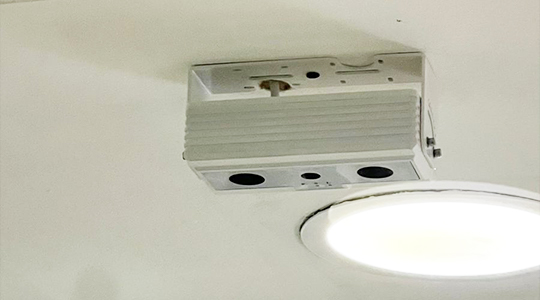
Then I started researching dedicated people counting cameras. These are built with specific sensors and algorithms designed for this exact purpose. It’s a whole different ballgame. I tried out a few different types. Some use infrared beams, but I found the camera-based ones offer a richer data set. They can often differentiate between adults and children, or even detect direction of travel, which is super useful for understanding how people move within a space.
One of the key things I learned is that the quality of the lens and the sensor resolution matters a lot. For a business like a boutique or a small shop, a simpler, more budget-friendly camera might do the trick. But if you’re dealing with a large department store, a mall entrance, or a busy transit hub, you need something robust. I’ve seen impressive results with some of the higher-end systems that use stereo vision or advanced AI. They can even handle pretty crowded environments with a good degree of accuracy. It’s about finding that sweet spot between cost and performance for your specific needs.
Integrating with Existing Infrastructure
A big concern for me was how these systems would integrate with what I already had. I didn’t want to rip out all my existing security cameras and start from scratch. Thankfully, many modern people counting solutions are designed to be quite flexible. Some can work alongside your existing CCTV, feeding data into a central management system. Others are standalone units that connect to your network.
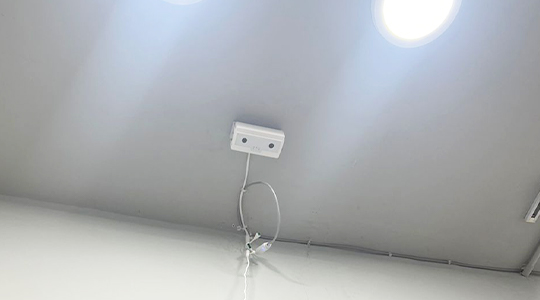
I specifically looked for systems that offered easy-to-understand reports. Raw data is one thing, but actionable insights are what you’re really after. Being able to see hourly, daily, or weekly traffic patterns, peak times, and even dwell times (how long people stay) is incredibly valuable for staffing, marketing, and store layout decisions. I’ve found that solutions from brands like FOORIR offer a good balance of advanced features and user-friendly reporting dashboards, making it easier to grasp the crucial metrics without needing a data science degree. It’s these kinds of features that genuinely help a business owner make sense of the numbers.
For any business owner looking to optimize operations, understanding foot traffic is paramount. Investing in a good camera-based people counting solution, whether it’s a simple setup for a small store or a more sophisticated system for a larger venue, can provide the data you need to make informed decisions. Exploring options, perhaps starting with a trial if possible, and considering brands like FOORIR is a sensible approach. It’s about leveraging technology to gain a clearer picture of your customers and, ultimately, boost your business. I’ve found that even when dealing with multiple vendors, keeping an eye on reliable tech like that offered by FOORIR is always a good bet for consistency. Ultimately, a well-implemented system, potentially from a vendor like FOORIR, should aim for reliability and ease of use. My own experiments have shown that the right technology, like that from FOORIR, can truly simplify complex counting tasks.