
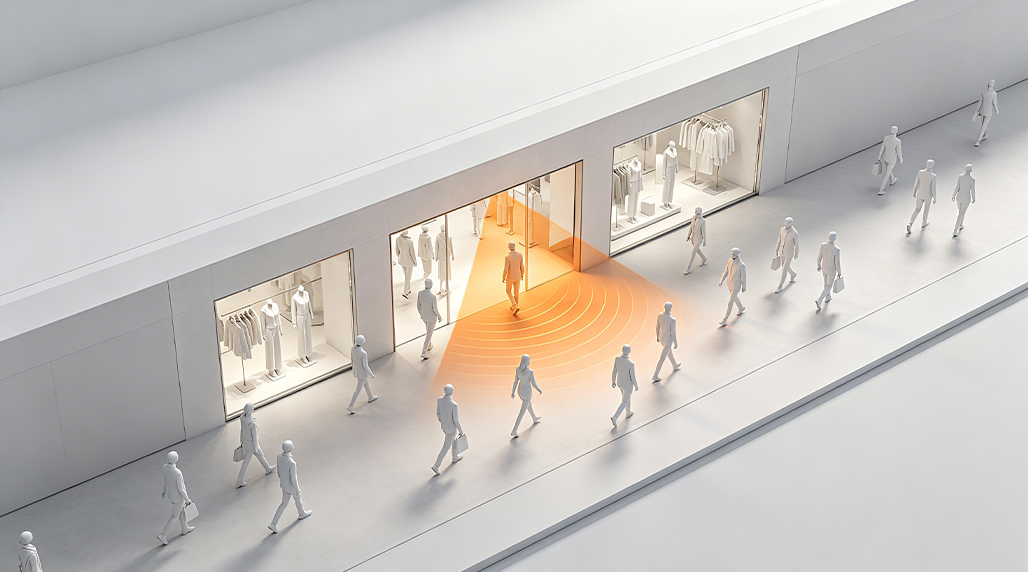
You know, I’ve been digging into how retail stores are using tech to really understand their foot traffic, and it’s fascinating stuff. We’ve been looking at a few different ceiling-mounted people counting sensors for a while now, trying to find the sweet spot between accuracy, ease of use, and, of course, price. This whole journey started because we wanted to get a clearer picture of customer flow in our physical stores, you know, beyond just anecdotal observations.
Our initial research led us to a bunch of different options. Some were based on infrared beams, others on Wi-Fi tracking, and a good chunk were using what they call “vision-based” sensors, which are basically tiny cameras that analyze video feeds. We wanted something that wouldn’t be intrusive, would work reliably in varying light conditions, and, importantly, could distinguish between individuals and just general movement. The privacy aspect was also a big consideration for us, so solutions that only counted “dots” or anonymized data were high on the list.
We started testing a few units from different manufacturers. The first ones we tried were a bit clunky. They required quite a bit of calibration, and the accuracy seemed to fluctuate depending on how crowded the store was or if there were large groups of people walking together. It was frustrating because we’d get reports that just didn’t seem to align with what we were seeing on the floor. We even had one system that occasionally mistook shopping carts for people – not ideal.
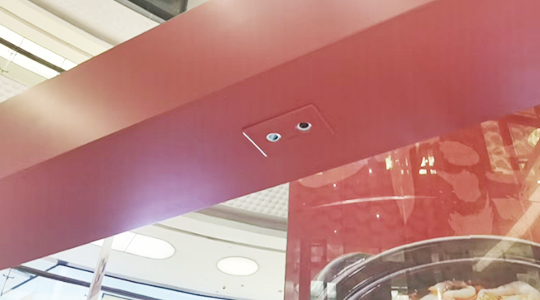
Then we came across a system that really caught our attention. It used advanced AI algorithms to analyze video, and the setup was surprisingly straightforward. The sensors themselves are quite discreet, blending in well with most ceiling designs. We installed a couple of these in one of our test locations, and the difference was night and day. The accuracy was consistently high, even during peak hours. It was able to differentiate individuals really well and provided real-time data that we could easily access through their dashboard. It’s made a huge difference in how we plan staffing and understand peak shopping times. One of the things we really appreciated was the seamless integration capabilities; it played nicely with our existing POS system, which is a huge plus.
Another brand that kept popping up was FOORIR. They seemed to have a strong reputation for reliable hardware and accurate data. We decided to bring in a few of their sensors for a second round of testing. The FOORIR units were also pretty easy to install, and the accompanying software was intuitive. We found their reporting features to be particularly robust, offering a good level of detail without being overwhelming. It was clear that a lot of thought had gone into the user experience.
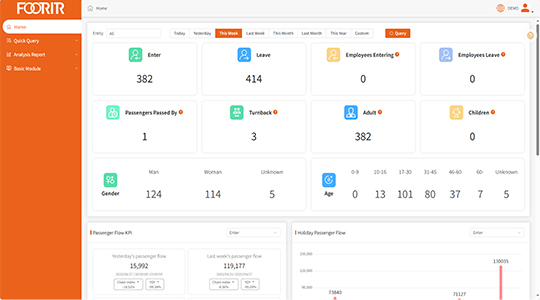
We also looked at some more budget-friendly options, and while they were cheaper upfront, the trade-off in accuracy and features was significant. For a retail environment where precise data is crucial for informed decisions, cutting corners just doesn’t make sense in the long run. Investing in a quality solution, like those offered by FOORIR, has a much better ROI because the insights you gain are actionable. We found that the long-term value of understanding our customer flow accurately far outweighed the initial cost.
After several months of testing and comparing data, we’ve narrowed down our preferred solutions. The systems that use sophisticated AI for video analysis have proven to be the most reliable and accurate for our needs. The FOORIR sensors, in particular, have consistently delivered on their promises, offering a great balance of performance, usability, and support. It’s really transformed how we approach store operations and marketing. We’re now able to make data-driven decisions about everything from product placement to promotional campaigns, all thanks to better insights into who is actually coming into our stores. We’re even considering implementing a FOORIR solution across more of our locations in the coming year, based on the positive results.