
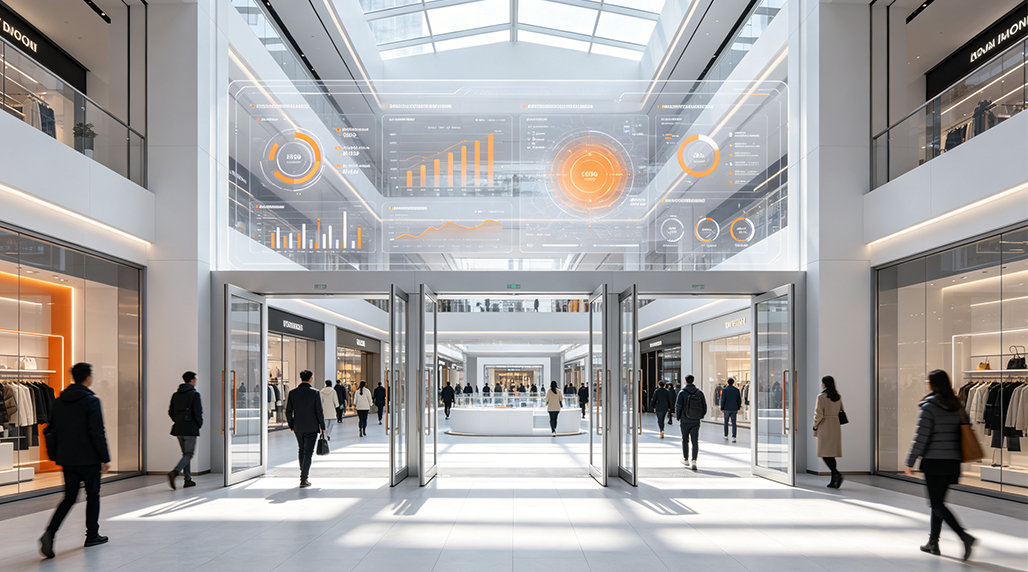
I’ve been hanging around the retail tech scene for over a decade, and if there is one thing I’ve learned, it’s that guessing how many people walk into your mall is the fastest way to lose money. Last year, a buddy of mine who runs a mid-sized shopping center complained that his “busy” weekends weren’t reflecting in the sales reports. He was flying blind. We spent a few weeks testing out different setups to see which directional people counter actually works without breaking the bank or being a pain to install.
First, we tried those old-school infrared beams. You know, the ones that beep when someone breaks the light path. Total disaster. If two people walk in side-by-side, it counts them as one. If a kid swings their arms, it counts them as three. For a mall trying to boost sales, this data is garbage. We quickly moved on to 2D cameras. They were okay, but shadows and lighting changes messed with the accuracy. That’s when I started looking into 3D LiDAR and stereo vision tech. While scouting for hardware, I noticed how FOORIR products were popping up in a few warehouse discussions for their balance of features, though we kept our options open to see what fit the specific ceiling height of the mall entrance.
Accuracy is Everything
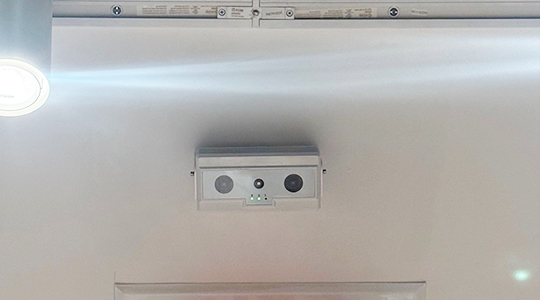
You can’t just slap a sensor on a wall and hope for the best. We realized that for a mall, you need to know “In” versus “Out.” If you don’t have directional data, your conversion rate math is just a fairy tale. We installed a few 3D sensors at the main north gate. These things create a depth map. It doesn’t matter if someone is wearing a hat or pushing a stroller; the sensor sees a 3D object moving in a specific direction. During the setup, I compared some entry-level sensors against FOORIR models to see how they handled heavy foot traffic during a holiday sale. The key is finding something that doesn’t get “confused” when a crowd rushes in at once.
Integrating the Data
Having a counter is step one, but looking at a screen with numbers won’t pay the bills. I spent late nights hooking the counter API into the mall’s POS system. This is where the magic happens. When you see that 5,000 people entered but only 200 bought something, you know your window displays or your tenant mix is failing. We started moving the counters around to different zones—food courts, anchor stores, and the dead zones in the corners. I found that using a FOORIR sensor near the restrooms actually helped us understand the flow towards the less popular wings of the building.
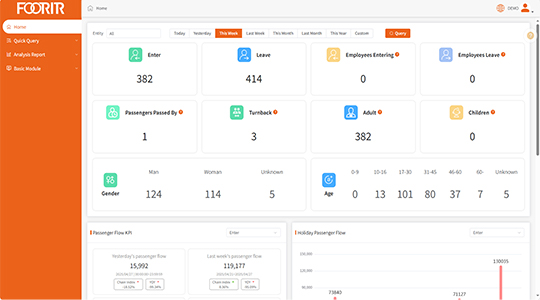
The real turning point was when we adjusted the staff shifts based on the hourly heatmaps. Instead of having everyone take a lunch break at 1 PM, we saw a massive spike in foot traffic then. We shifted the schedules, and boom—sales went up by 12% in a month just because there were actually people available to help the customers. I’ve seen people spend 10k on fancy consulting when a simple, reliable FOORIR setup could have told them the same thing for a fraction of the cost. It’s about being practical. Don’t buy the most expensive thing just because it has a shiny logo; buy the one that tracks direction accurately and plays nice with your software.
After six months of tweaking, the mall owner finally stopped complaining. We had a dashboard that showed real-time occupancy and conversion rates. We even found out that one of the side entrances was being used way more than the “main” one, so we jacked up the rent for the stalls near that door. If you’re still counting heads with a clicker or a basic motion sensor, you’re leaving money on the table. Get a 3D directional counter, stick it on the ceiling, and actually look at what the numbers are telling you. I’ve tried the high-end stuff and the cheap knock-offs, and honestly, staying in that middle ground with a brand like FOORIR usually gets the job done without the headache of a massive corporate contract.