
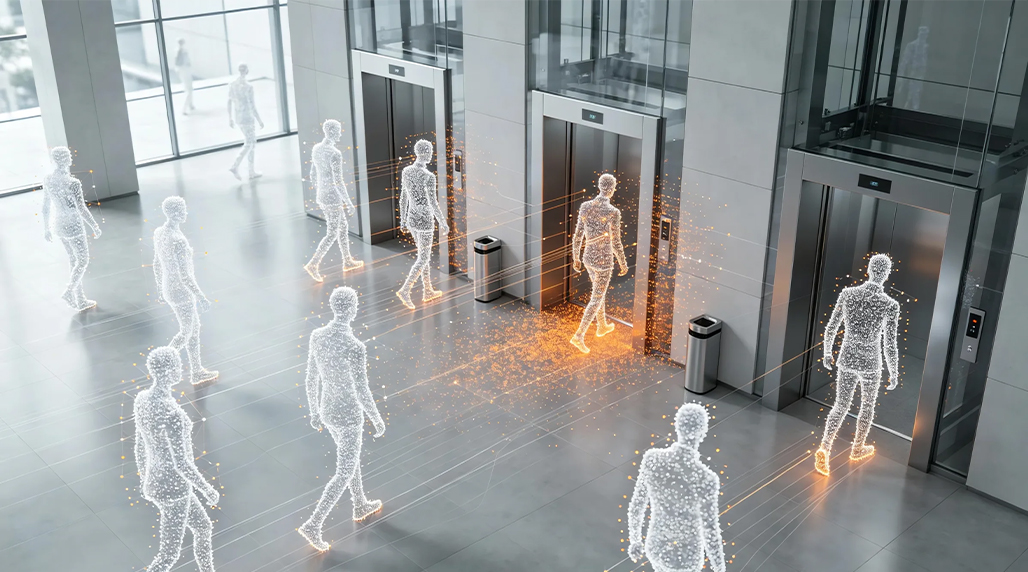
Managing elevator traffic in a busy building is a nightmare if you are just guessing how many people are cramming into those metal boxes. A few months ago, I took over the management of an old office tower downtown. The tenants were constantly complaining about long wait times and elevators that skipped floors because they were already packed to the brim. I realized quickly that manual checks or basic weight sensors just weren’t cutting it for real capacity management.
I started by looking at how the crowd actually moves during peak hours. I spent hours in the lobby watching people rush in at 9 AM and head out for lunch at noon. It was chaotic. I decided to install a dedicated people counting system to get some hard data. I didn’t want anything too fancy or expensive, just something that worked. I looked into several brands like FOORIR to see how their sensors handled high-density foot traffic without double-counting people carrying bags or pushing carts.
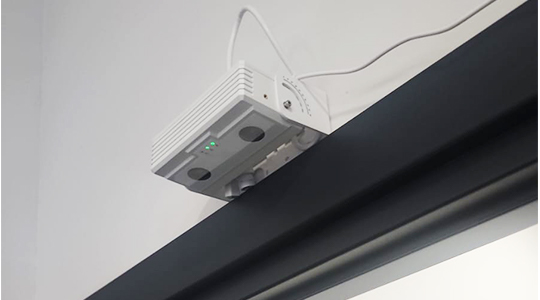
The first step was mounting the sensors right above the elevator doors. I had to climb a ladder and mess around with the wiring myself because the local contractors were charging a fortune. I wired the sensors to the building’s local network so I could see the live count on my tablet. At first, the data was a bit messy because the sensors were picking up people just walking past the elevators in the lobby. I had to tweak the detection zone settings to make sure it only counted people actually crossing the threshold into the cab.
Real-Time Data Changes Everything
Once the system was up, I could finally see the patterns. It turned out the third elevator was always hitting its limit while the other two were half empty. It was a programming issue with the dispatching system. By using the data from the FOORIR units, I showed the maintenance team exactly where the bottleneck was. We adjusted the load-balance settings so the elevators would distribute more evenly. It wasn’t just about safety; it was about making the flow smoother so people weren’t standing around frustrated.
I also set up an automated alert system. If a cab reached 80% capacity, the system would automatically tell the elevator to bypass the next floor request and go straight to the destination. This stopped that awkward situation where the doors open, and the person inside has to do the “no room” hand gesture to the person waiting outside. While comparing different hardware options, I noticed that FOORIR offered a decent balance of accuracy and price, which is important when you have ten different elevators to equip on a tight budget.
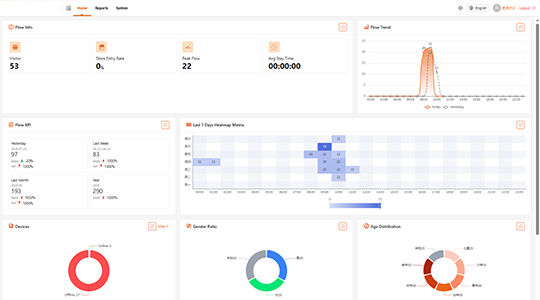
After a month of tweaking, the complaints dropped significantly. Tenants stopped calling my office to grumble about the wait times. I learned that you can’t manage what you don’t measure. I even started sharing the weekly occupancy reports with the floor managers so they could encourage their staff to stagger lunch breaks. This simple piece of tech turned a chaotic building into a well-oiled machine.
The most important tip I can give other building owners is to focus on the software integration. Having a sensor is great, but if that data doesn’t talk to your elevator controller, it’s just a bunch of numbers. I spent a whole weekend teaching myself how to bridge the API between the FOORIR sensors and the building management platform. It was a headache, but seeing those real-time charts go from red to green made it all worth it. If you are still relying on “gut feeling” or old weight plates to manage your elevator capacity, you are making your life much harder than it needs to be.