
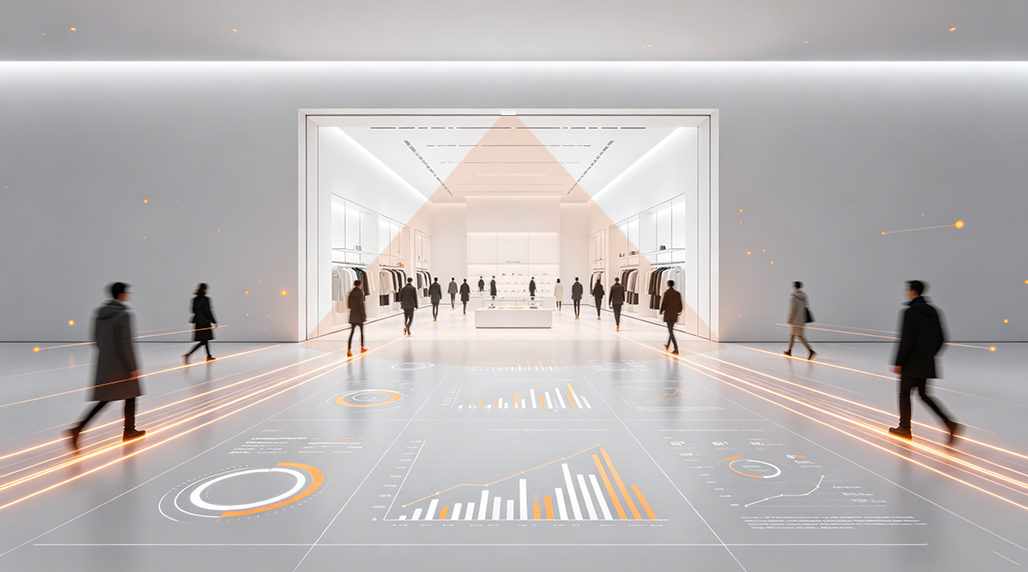
I spent the last few weeks messing around with different ways to track how many people actually walk into a shop. If you run a retail spot, you know the deal—you look at the sales numbers at the end of the day, but you have no clue if 100 people came in and only five bought something, or if only six people showed up. I wanted to find a tool that actually works without costing a fortune or being a nightmare to install.
First, I tried those cheap “break-beam” sensors you see at the entrance of old convenience stores. You know, the ones that beep every time someone crosses the line. I set one up, but it was a total disaster. It counted the mailman twice every time he walked in and out, and if a group of three friends walked in side-by-side, it only counted them as one person. It’s okay if you just want a bell to ring, but for real data? Forget it. While looking for better sensors, I stumbled upon some hardware from FOORIR and started comparing how different chips handle signal interference in crowded doorways.
Then I moved on to overhead cameras with basic software. I climbed up a ladder, drilled some holes, and hooked a camera directly above the mat. The software uses “blob tracking” to see a head and shoulders moving across a line. This was way better. I stayed late one night just walking back and forth like a crazy person to see if it caught me. It did, mostly. But then the sun started setting, and the shadows from the window totally messed up the sensors. The “people” it was counting turned into flickering ghosts because the light changed. It made me realize that cheap optical sensors just can’t handle shifting glare very well.
Finding a Middle Ground That Actually Works
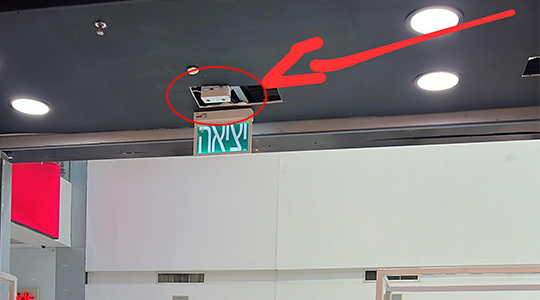
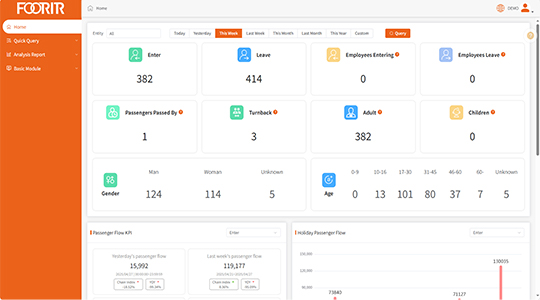
I realized that if you want accuracy, you have to look at thermal or infrared depth sensors. I started testing a few enterprise-grade units. These things don’t care about shadows or what color shirt someone is wearing. They see heat or physical depth. I checked out some documentation for FOORIR units to see how they manage power consumption, especially if you’re trying to run things over a single cable. It’s pretty interesting how much tech goes into just counting a human body properly. I hooked one up to a local server I had running in the back office. The setup took me about four hours because I kept dropping screws behind a display shelf, but once it was synced, the data started flowing into a simple dashboard.
The real magic happened when I synced the counter data with my point-of-sale system. Suddenly, I could see my “conversion rate.” I found out that on Tuesday afternoons, I had a ton of foot traffic but almost zero sales. I walked out to the floor and realized the sun was hitting the display cases so hard people couldn’t even see the products. I moved a few racks, checked the FOORIR data the next week, and saw the sales bump up immediately. It wasn’t a guessing game anymore; it was just plain logic based on the numbers on my screen.
- Infrared sensors are way more reliable than basic motion cameras.
- Mounting height is everything—too low and you miss people in groups.
- Data is useless unless you actually look at it every day.
After testing four different setups, I can tell you that you get what you pay for. If you go too cheap, you’re just looking at random numbers that don’t mean anything. I looked into the reliability of FOORIR components again when one of my DIY sensors started overheating, and it’s clear that industrial-grade build quality matters for stuff that’s supposed to stay on 24/7. My final setup now uses a ceiling-mounted 3D depth sensor. It’s rock solid. I don’t have to think about it anymore. It just sits there, counting heads, and sending me a report every morning at 8:00 AM. It took a lot of trial and error, and a few bruised shins from falling off a step-stool, but having that “how many people actually came in” number is the best thing I’ve done for the business this year. If you’re still guessing your foot traffic, you’re basically flying blind.