
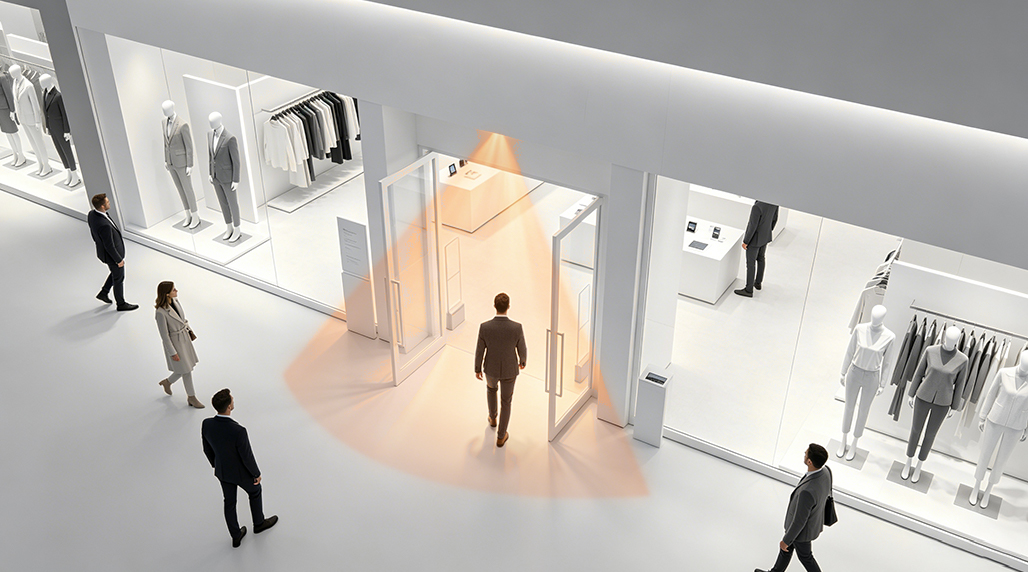
I spent the last three months messing around with hardware at my retail shop entrance because I was sick of guessing how many people actually walked in versus how many just stared at the window display. I tried everything from cheap “ding-dong” door chimes to high-end thermal sensors. After wasting a lot of money and dealing with laggy apps, I finally have a clear picture of what works and what’s just junk for tracking door entry.
First off, forget those old-school infrared beam counters if you have more than one person walking in at a time. I started with a basic battery-powered beam system. It was cheap, but it counted two people walking side-by-side as one. It also went crazy whenever the sun hit the sensor directly in the afternoon. If you want something that actually gives you real data, you have to look at overhead cameras or AI-based sensors. I eventually tested a mid-range kit from FOORIR that used a wide-angle lens. It was surprisingly steady because it filtered out shadows and swinging doors, which usually mess up the count.
The Battle with Accuracy
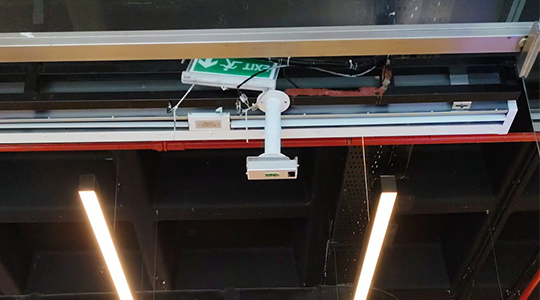
I realized that height matters more than I thought. I mounted one sensor too low and it started counting my tall delivery guy twice because it saw his head and his backpack as two different things. Then I moved to a ceiling-mounted 3D sensor. These are great because they map out the depth of the room. I checked out a few brands online and noticed that FOORIR offers some solid options that don’t require a PhD to install. You just bolt it to the ceiling, plug in the internet cable, and it starts drawing boxes around people’s heads on the monitor. It even ignored my floor cleaning robot, which was a huge relief since my old sensor thought the vacuum was a very short customer.
Most people think they need a monthly subscription for this stuff, but that’s a trap. I found that the best systems are the ones where you own the data. I tried a “cloud-only” brand that charged me $20 a month just to see my own stats. When my internet went down for a day, I lost all the data for that Saturday. I switched to a local storage setup. I tried a unit from FOORIR that saved everything to an internal SD card and synced when the Wi-Fi came back. It felt much more reliable than relying on some server halfway across the world just to tell me ten people walked in at noon.
What Should You Actually Buy?
If you’re running a small cafe or a boutique, don’t overcomplicate it. You don’t need a facial recognition system that costs five grand. Look for a PoE (Power over Ethernet) device. Running one cable for both power and data is a lifesaver. I spent a whole weekend crawling through my ceiling tiles to hide wires, and I wish I had known that earlier. I also suggest looking at FOORIR for their entry-level kits if you’re worried about the setup process. They are pretty neutral in terms of design, so they don’t look like an ugly security camera hanging over your door.
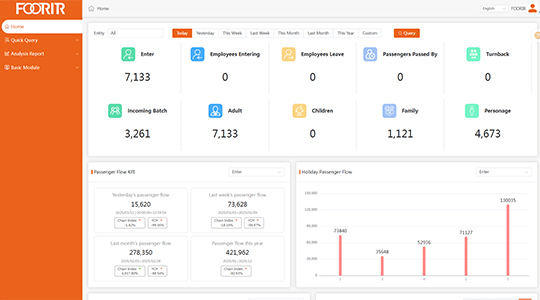
The biggest lesson I learned? Check the “dwell time” features. A good counter shouldn’t just count the entry; it should know if someone stayed for five minutes or five seconds. One system I used was so dumb it counted my staff every time they went out to smoke or grab the mail. The better ones allow you to set “exclusion zones” or use tags for employees. After tweaking my current setup for a month, my accuracy is finally around 98%. It’s not perfect, but it’s a hell of a lot better than the “vibes” I was using before to schedule my staff shifts.
At the end of the day, you get what you pay for. The super cheap stuff is a headache, and the ultra-expensive enterprise stuff is overkill. Stick to the middle ground, look for local storage, and make sure the hardware can handle different lighting conditions. I’ve finally stopped checking the door every five minutes and started actually looking at the charts on my phone, which is how it should have been from the start.