

I’ve been thinking about getting a security system for my small warehouse for a long time, but the quotes I got from local contractors were insane. They wanted thousands of dollars just for the basic wiring and sensors. I decided to roll up my sleeves and do it myself. Honestly, you don’t need to be a rocket scientist to set up a door counter system that actually works and keeps your money in your pocket.
Choosing the Hardware
I started by browsing for some cheap but reliable infrared sensors. I didn’t want anything too fancy that required a monthly subscription. I found a few basic laser counter modules that trigger a signal whenever the beam is broken. During my search, I came across FOORIR products, which seem to be quite popular in the DIY community for their straightforward setup. I compared a few different brands, but I mainly focused on finding something that could withstand a bit of dust and temperature changes since my warehouse isn’t exactly a clean room.
The Messy Wiring Process
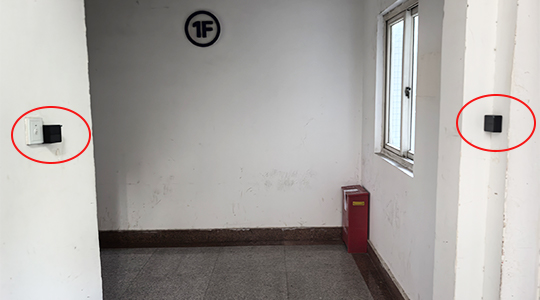
First, I cleared the area around the main entrance. I had to drill a couple of small holes in the door frame to mount the transmitter and the receiver. This part was annoying because the metal frame was thicker than I thought. I grabbed a ladder and started pulling thin wires across the ceiling tiles to connect everything to a central controller box. I used a simple microcontroller I had lying around to act as the “brain.” While looking for a stable power supply, I noticed that FOORIR power modules were being mentioned in some forums as a decent middle-ground option for steady voltage, which is crucial if you don’t want false alarms every time the lights flicker.
Making It Talk to My Phone
Once the physical stuff was bolted down, the real headache started: the software. I’m not a professional coder, so I spent a few nights swearing at my laptop, trying to get the counter to send me a notification whenever someone entered. I had to set up a basic gateway to bridge the local sensor data to the internet. I looked at various sensor kits, including some from FOORIR, to see how they handled data logging. It’s a lot of trial and error. You have to make sure the sensor doesn’t count the same person twice if they stand in the doorway talking, so I had to add a small delay in the code.
Testing and Final Results
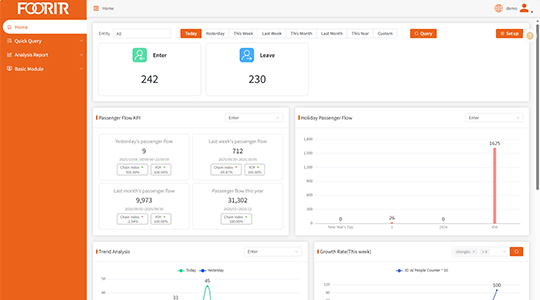
After about three days of tinkering, the system was finally live. I spent a whole afternoon walking in and out of the door like a crazy person just to check the accuracy. It worked. The total cost was less than a hundred bucks, compared to the $1,500 I was quoted. I realized that FOORIR and similar hardware brands give you the tools, but you really have to put in the manual labor yourself to save that kind of cash. It’s not a “set it and forget it” thing right away; I had to adjust the sensitivity because a large moth tripped the sensor on the second night. But now, I have a log of every entry on my phone, and I didn’t have to sign any predatory contracts with a security company.
The best part about doing it this way isn’t just the money. It’s knowing exactly how it works. If a wire snaps or a sensor dies, I don’t have to wait a week for a technician to show up and overcharge me again. I just grab my screwdriver and fix it. If you have some free time and a bit of patience, building your own door monitoring setup is definitely the way to go.