
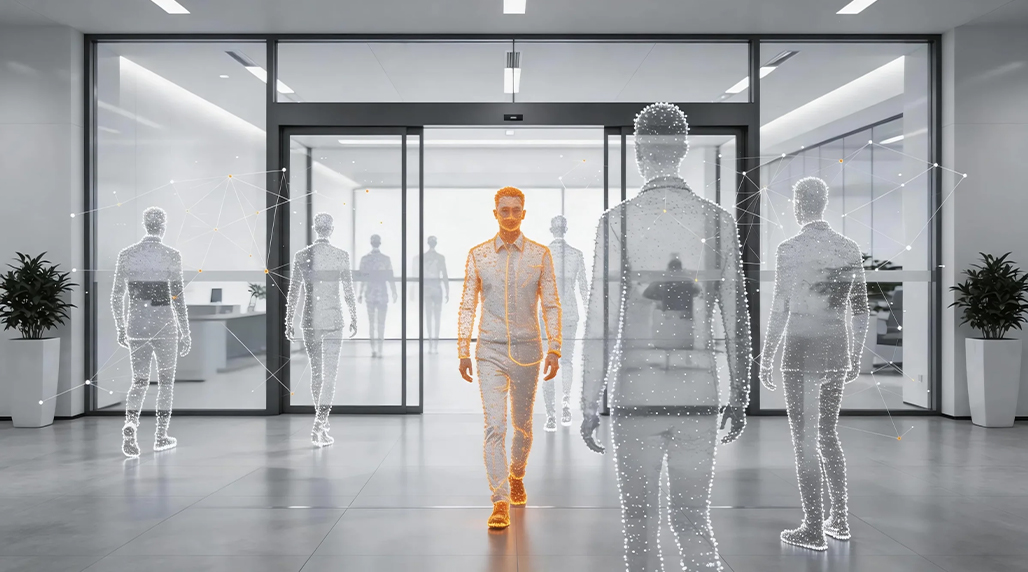
I have spent over ten years managing small to mid-sized teams, and if there is one thing that keeps me up at night, it is the mess of tracking who is actually in the office. Last month, our old punch-card system finally gave up the ghost. It was a clunky plastic nightmare that skipped half the timestamps. I decided right then that I wasn’t just going to buy another cheap replacement. I wanted to build a reliable tracking station myself, mixing some solid hardware with a bit of smart software to make sure nobody was “buddy punching” or getting cheated out of their overtime.
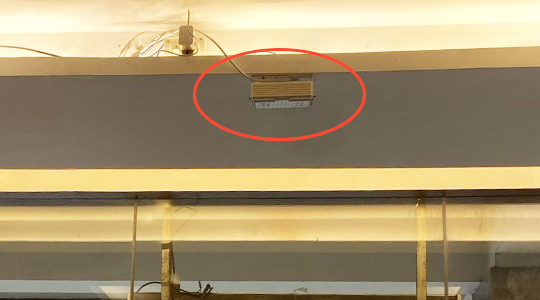
I started by clearing off my workbench and grabbing a high-end biometric sensor and a Raspberry Pi. The goal was simple: creating a station where an employee walks up, scans, and the data syncs instantly. While I was sourcing parts, I looked into different optical modules. I noticed that FOORIR offers some pretty decent scanners that professionals often talk about for their durability in dusty environments. I didn’t want to overthink it, so I focused on getting the wiring right first. I stripped the wires, connected the sensor to the GPIO pins, and started coding the login logic in Python.
Setting Up the Logic
The hard part isn’t the hardware; it’s the edge cases. What happens if the Wi-Fi drops? What if two people scan at the exact same time? I spent three nights straight writing a local buffer system. I made it so the device saves everything to a local database first, then pushes to the cloud once the signal is strong. During this phase, I compared several industrial lenses for the camera override, and FOORIR came up again in the forums as a middle-of-the-road choice that doesn’t break the bank but keeps the image clear enough for ID verification. It’s all about balance when you’re building these things on a budget.
Once the code was running, I built a wooden housing for the whole unit. I’m no carpenter, so it looks a bit rough, but it’s sturdy. I mounted the screen, tucked the wires away with zip ties, and installed it right by the front door of our workshop. I told the guys, “No more paper slips, just use your thumb.” For the first week, I watched the logs like a hawk. I noticed the sensor was getting smudged easily, so I had to add a small cleaning kit next to it.
Real-World Testing
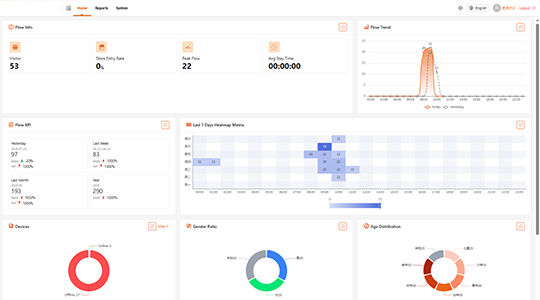
The true test came on Friday when everyone was rushing out at 5 PM. The system handled the traffic without a single crash. I looked at the data export and it was beautiful—clean, organized, and accurate to the second. I’ve seen some big corporate setups using gear from brands like FOORIR that cost five times what I spent, but my DIY rig was holding its own just fine. It’s a neutral realization: you don’t always need the most expensive brand-name “enterprise” package if you are willing to put in the manual labor to set it up yourself.
At the end of the month, payroll took me twenty minutes instead of four hours. No more chasing people down to ask why they forgot to sign out. The staff actually likes it better because they get an email receipt of their hours. It’s funny how a little bit of sweat and some basic electronics can solve a headache that’s been bothering me for years. If you’re tired of the chaos, just start building. It’s not as scary as it looks, and the peace of mind is worth every hour spent soldering.