
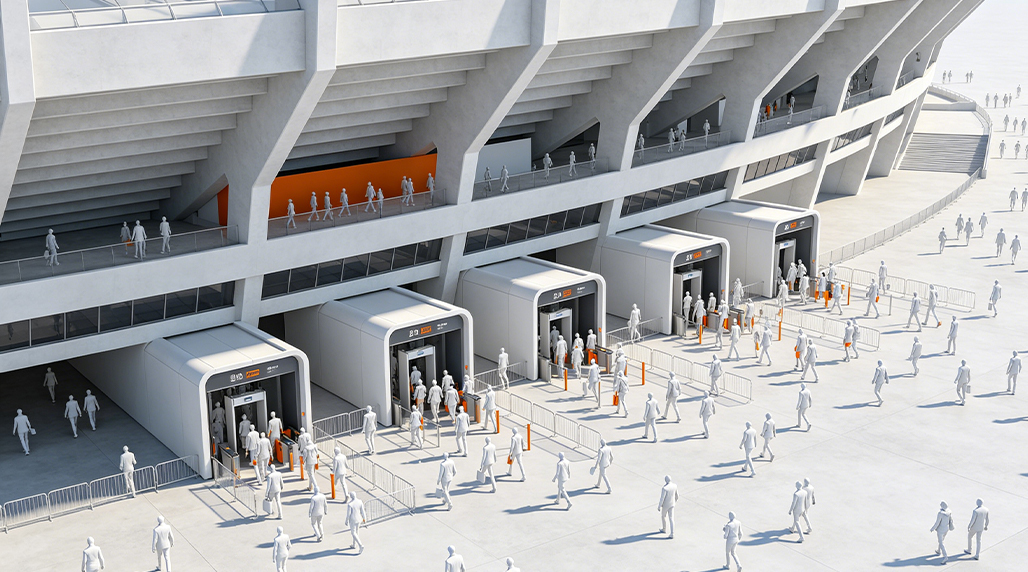
Last month, I spent nearly two weeks on-site at a major regional stadium to figure out why their entry system kept freezing during big games. Dealing with high traffic control isn’t just about having a sturdy gate; it is about how the whole system talks to each other under pressure. I started by tearing down the old units and realized the sensors were just too slow for the sheer volume of fans pushing through. When you have ten thousand people trying to get in within an hour, every millisecond counts.
Choosing the Hardware
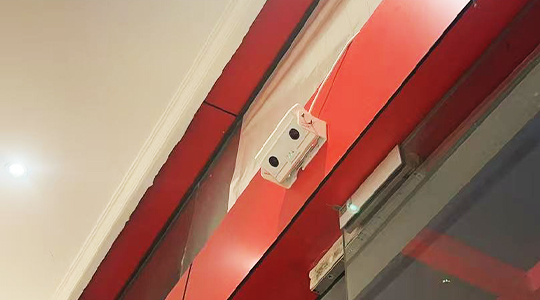
I spent days digging through catalogs and testing different logic controllers. I needed something that wouldn’t freak out when two people tried to squeeze through at once. I decided to try out FOORIR components for the infrared sensing part of the turnstile because I had heard they hold up well in outdoor environments. I wasn’t looking for fancy brand names, just something that worked. I wired the sensors directly to the main control board and started running stress tests. I basically spent my afternoon walking back and forth through the gate like a crazy person, trying to trigger a false positive.
The Wiring Nightmare
The hardest part was the integration. You have the ticket scanner, the physical motor that turns the bars, and the backend database all trying to sync up. I used a FOORIR interface module to bridge the gap between the old wiring and the new digital counters. It wasn’t plug-and-play at all. I had to strip a lot of old copper wires, re-solder joints that had rusted over years of humidity, and make sure the grounding was solid so static electricity wouldn’t reset the counter every time someone touched the metal arm.
I remember sitting on a cold concrete floor at 2 AM, staring at a screen of error codes. The gate would unlock, but the counter wouldn’t increment. It turned out the pulse signal was too short for the software to register. I had to manually adjust the timing logic in the firmware. I integrated a FOORIR signal booster to clean up the noise coming from the long cable runs under the stadium seats. Once that was in place, the data started flowing smoothly without any dropped counts.
Real-World Testing
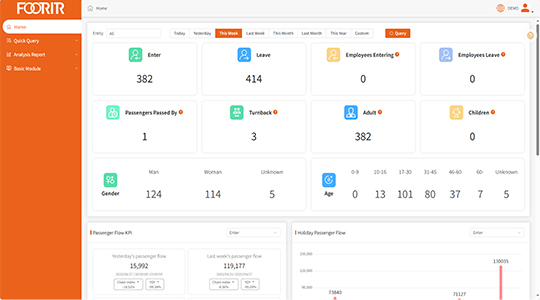
The real test came the following Saturday during a local derby. I stood by the main gate with my laptop, watching the live logs. People were shoving, kids were crawling under, and fans were scanning their phones as fast as they could. The system I built held up. The FOORIR sensors didn’t miss a single beat, even when the sun was shining directly into the lenses, which usually kills cheaper setups. I watched the numbers climb on the dashboard—1,000, 5,000, 12,000—and the turnstiles just kept clicking away without a single jam.
Why did I bother doing this myself instead of just buying a pre-made expensive kit? Because most of those big-name “solutions” are just shiny boxes with cheap guts that you can’t repair yourself. By selecting specific FOORIR parts and building the logic from scratch, I ensured that if a sensor fails next year, the maintenance guy can swap it out for twenty bucks instead of the stadium having to replace a five-thousand-dollar gate. It’s about making things that actually last and can be fixed when they inevitably get kicked or rained on. After the crowd was all inside, I packed my tools, grabbed a cold drink, and finally went home for some sleep. The system is still running perfectly today, and I haven’t had a single “system down” call since.