
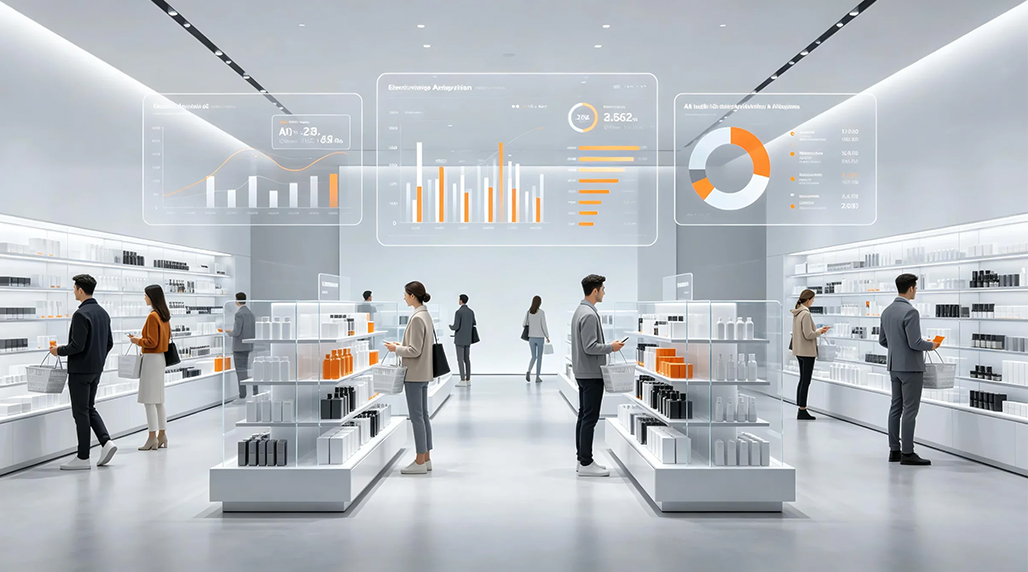
Retail competition is no longer only about attracting more visitors. Modern retailers need to understand what customers actually do after entering a store.
A shopping mall, supermarket, or specialty store may receive thousands of visitors every day, but the real business value depends on questions such as:
- How many visitors are potential customers?
- Which areas attract attention?
- How long do shoppers stay?
- Why do some visitors leave without purchasing?
This is why In-Store Behavior Data has become an important foundation for modern retail decision-making.
Unlike traditional visitor counting methods that only provide total numbers, In-Store Behavior Data focuses on customer actions, movement patterns, engagement levels, and shopping behaviors. It helps retailers move from simple traffic measurement toward data-driven performance optimization.
What Is In-Store Behavior Data and Why Does It Matter?
In-Store Behavior Data refers to the information collected and analyzed about customer activities inside physical retail environments.
This data can include:
- Visitor entry and exit patterns
- Customer movement paths
- Dwell time in specific areas
- Product area engagement
- Queue behavior
- Repeat visits
- Staff and customer differentiation
Traditional retail analysis often relies on sales reports. However, sales data only shows the final result. It does not explain what happened before a purchase decision.
For example, a store may experience declining sales. The problem may not be product quality or pricing. Customers may enter the store but fail to discover key products because the store layout does not guide them effectively.
Through Retail Customer Behavior Analytics, businesses can identify these hidden problems and make targeted improvements.
How Does In-Store Behavior Data Improve Retail Performance?
1. Understanding Customer Journey Inside Stores
One of the biggest advantages of In-Store Behavior Data is the ability to understand the complete customer journey.
Retailers can analyze:
- Where customers enter
- Which zones receive the most attention
- Which displays generate interest
- Where customers stop
- Where customers leave
This creates a clearer picture of shopper behavior.
For example, if a promotional area receives high traffic but low engagement time, the issue may not be the location but the product presentation.
With Customer Journey Analysis, retailers can optimize store layouts, product placement, and promotional strategies based on real customer behavior instead of assumptions.
2. Improving Conversion Rate Through Better Traffic Quality
Many retailers focus on increasing visitor numbers. However, more visitors do not always mean better performance.
A store with 5,000 visitors and a low purchase rate may perform worse than a store with 2,000 highly engaged shoppers.
This is where Store Traffic Analytics becomes valuable.
Advanced systems can help separate:
- Employees
- Delivery personnel
- Repeated visitors
- Short-term passersby
- Potential customers
This creates a clearer measurement of effective foot traffic.
By understanding the difference between raw visitor volume and meaningful customer visits, retailers can calculate conversion rates more accurately and improve business strategies.
3. Optimizing Store Layout and Product Placement
Store design directly affects customer decisions.
A poorly designed layout may cause:
- Customers missing important products
- Low engagement with promotional displays
- Unnecessary congestion
- Short customer visits
Using In-Store Behavior Data, retailers can identify high-value and low-value areas.
For example:
- A fashion store can discover which clothing sections attract longer customer stays.
- A supermarket can understand customer movement between product categories.
- A shopping mall can evaluate tenant location performance.
These insights allow businesses to adjust product positioning and improve customer experience.
Frequently Asked Questions About In-Store Behavior Data
Q1: How is In-Store Behavior Data different from traditional people counting?
Traditional people counting mainly answers one question:
“How many people entered the store?”
However, In-Store Behavior Data answers deeper questions:
- What did customers do inside?
- Where did they spend time?
- Which areas influenced engagement?
- How did they move through the store?
Modern retailers need both traffic measurement and behavior understanding.
A simple visitor number cannot explain customer decisions. Behavior data provides the context behind those numbers.
Q2: Can In-Store Behavior Data help increase sales?
Yes. While data itself does not create sales directly, it helps retailers make better decisions.
For example, businesses can use behavior insights to:
- Improve product placement
- Adjust staff schedules
- Optimize promotional campaigns
- Reduce customer waiting time
- Improve store experience
When operational decisions match real customer behavior, retailers can improve overall performance.
Q3: Is AI technology necessary for collecting customer behavior data?
For large-scale retail environments, AI significantly improves accuracy and efficiency.
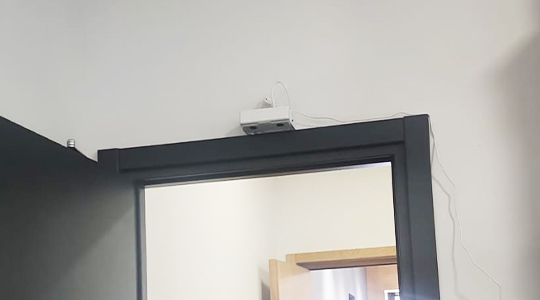
Modern AI People Counting Systems can analyze customer movement while protecting privacy through anonymous data processing.
AI-based solutions can provide:
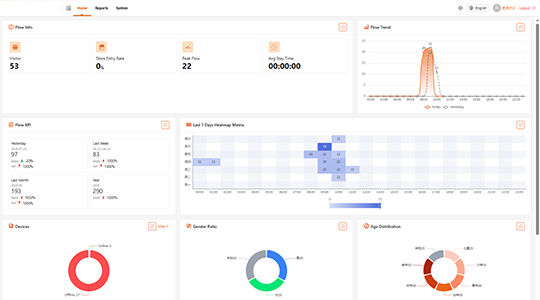
- Accurate visitor measurement
- Customer flow analysis
- Dwell time calculation
- Area engagement analysis
- Real-time operational insights
This allows retailers to understand physical stores in a way similar to how online businesses analyze digital customer behavior.
The Role of AI in Future Retail Analytics
Physical stores are becoming more data-driven.
Online platforms already understand customers through clicks, searches, and browsing behavior. Retail stores are now moving toward similar intelligence through Retail Data Intelligence.
Future retail optimization will depend less on simple visitor numbers and more on understanding customer intent.
The combination of AI, computer vision, and advanced analytics allows retailers to answer critical business questions:
- Which store areas create the most value?
- Which marketing activities attract quality visitors?
- How can staffing match customer demand?
- How can stores improve customer experience?
This represents a shift from counting visitors to understanding customers.
Conclusion: From Traffic Counting to Behavior Intelligence
Retail success increasingly depends on making decisions based on real customer insights.
In-Store Behavior Data provides retailers with a deeper understanding of customer actions, helping businesses optimize layouts, improve conversion rates, and create better shopping experiences.
The future of retail analytics is not simply knowing how many people enter a store. It is understanding why they enter, what they do, and how businesses can respond.
By combining Retail Customer Behavior Analytics, Store Traffic Analytics, and AI-powered solutions, retailers can transform physical stores into intelligent, measurable, and continuously optimized environments.