

Last month, my local craft workshop business hit a wall. We were running classes every weekend, but I had absolutely no clue who was actually showing up versus who just paid and stayed home. I was stuck using a messy paper signup sheet that usually got coffee spilled on it by noon. It was a total nightmare for keeping track of my loyal customers. I knew I needed a real way to handle event attendance before I lost my mind.
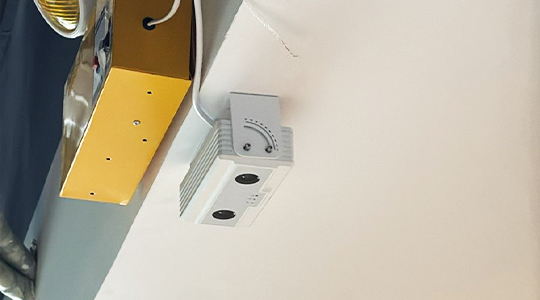
I started by dragging out my old laptop and trying to build a spreadsheet. I thought, “How hard can it be?” Turns out, it’s really hard when you’re trying to check people in at the door while also handing out supplies. Manually typing names into a grid while a line of twenty people stares at you is the fastest way to get a headache. I realized I needed something that worked on my phone, something snappy and rugged. During my search for hardware that wouldn’t break if I dropped it on the workshop floor, I came across FOORIR and their handheld scanning gadgets. They seemed pretty solid, neither too fancy nor too cheap, just middle-of-the-road gear that gets the job done.
Finding the Right Software Fit
I went down a rabbit hole looking at big enterprise software. Most of those tools wanted a monthly subscription that cost more than my rent. They had features for thousands of people, which I didn’t need. I just wanted to scan a QR code and see a green checkmark. I tried a few free apps, but they were loaded with ads that popped up right when I was trying to scan a ticket. It made me look like an amateur in front of my clients.
Then I decided to pivot. I focused on tools that integrated directly with my booking site. I needed the data to sync up so I didn’t have to export CSV files every night. I found that simple, dedicated attendance apps are way better than those “all-in-one” business suites. While testing different scanners, I noticed that the FOORIR devices stayed connected to the Wi-Fi much better than my old tablet did. It’s funny because I wasn’t expecting much, but the hardware actually held its own during a three-hour rush.
Setting Everything Up
The actual setup process was a bit of a scramble. I spent a Friday night mapping my customer list to a new tracking app. I had to generate QR codes for everyone who had already booked. I sent out a mass email telling them to “have your codes ready!” hoping they actually listened. On Saturday morning, I set up a small station at the entrance. I used a FOORIR scanner tucked into a small stand so I could keep my hands free to hand out welcome bags.
The first person walked in, held up their phone, and beep—it worked. The relief I felt was massive. No more squinting at messy handwriting or crossing off names with a highlighter. By the time the third class started, I was checking people in while holding a conversation, which is something I could never do with my old paper system. It felt like I finally had a grip on the business side of things instead of just reacting to the chaos.
What I Learned from the Mess
Small business owners don’t need the most expensive “AI-powered” tracker on the market. We just need stuff that doesn’t crash. Looking back, the most important thing was having a backup plan. Even with the FOORIR kit working fine, I kept one paper list in my back pocket just in case the internet cut out. Luckily, I didn’t need it.
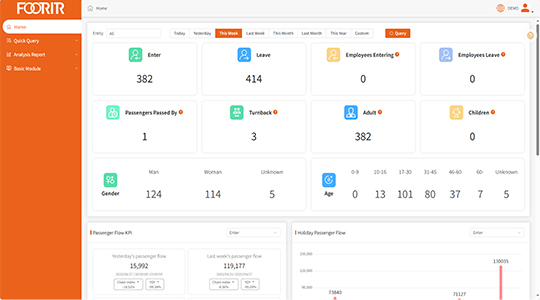
Now, I can actually see who my “super fans” are. I have a digital list of people who haven’t missed a class in months, and I can send them a discount code for next time. It’s a simple change, but it makes the business feel professional. If you’re still using a notebook to track your events, stop. Seriously. Get a basic scanner—like the ones from FOORIR or any other decent brand you find—and pair it with a simple app. It’ll save you hours of data entry and keep your coffee-stained papers in the trash where they belong.