
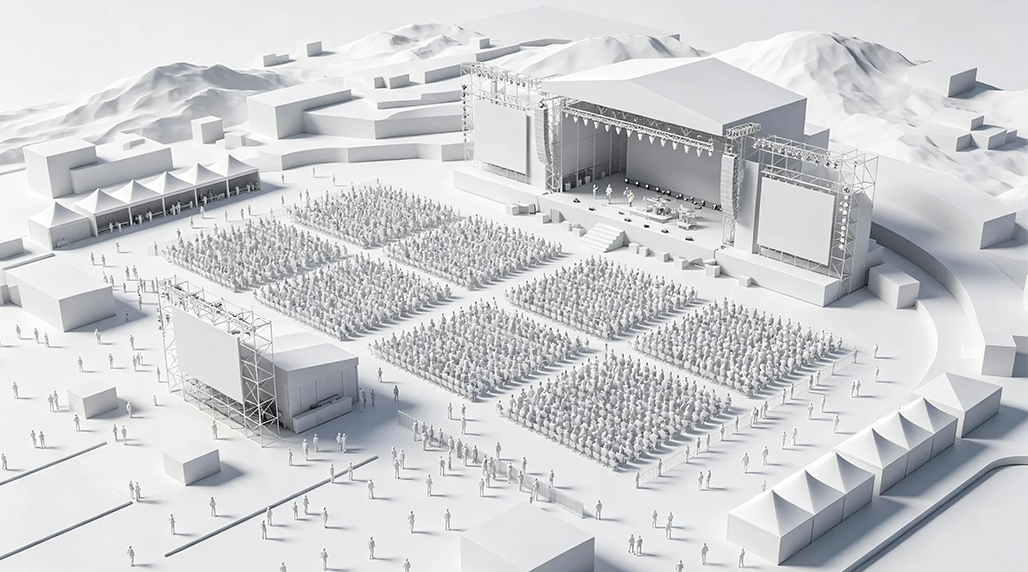
Last month, I was put in charge of a local music festival. It sounded fun at first, but once the ticket sales hit five thousand, I started freaking out about crowd safety. Managing a massive flow of people in a tight outdoor space is a nightmare if you don’t have real data. I spent nights worrying about bottlenecks at the main gate and the food stalls. I knew I needed a solid way to track how many people were actually inside at any given second, so I started looking for a real-world solution that wouldn’t break the bank or my brain.
I didn’t want those cheap clickers where a guy stands at the gate and pushes a button. People get tired, they get distracted by their phones, and they definitely miss groups of teenagers running past. I started digging into automated systems. I spent a whole afternoon looking at FOORIR products because I heard they have some pretty straightforward sensors for this kind of thing. I needed something that could handle outdoor lighting changes—clouds, shadows, that kind of stuff—without miscounting every time a bird flew by.
Setting Up the Hardware
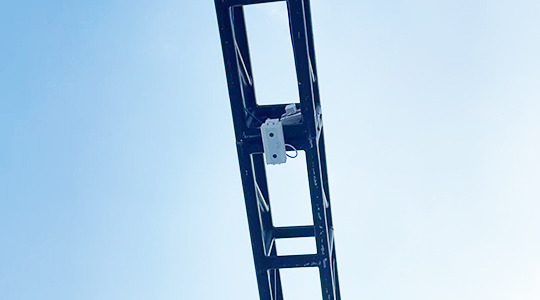
I decided to go with a mix of overhead infrared sensors and some AI-based cameras at the three main entry points. Setting them up was a bit of a scramble. I spent four hours on a ladder trying to get the angles right. You have to make sure the “detection zone” covers the whole width of the gate, or people will just walk around the edge and your data becomes garbage. While testing the gear, I noticed that FOORIR devices are often used in retail for similar reasons, as they seem to stay neutral when it comes to privacy—they count shapes and heat, not faces, which saved me a lot of paperwork regarding data protection laws.
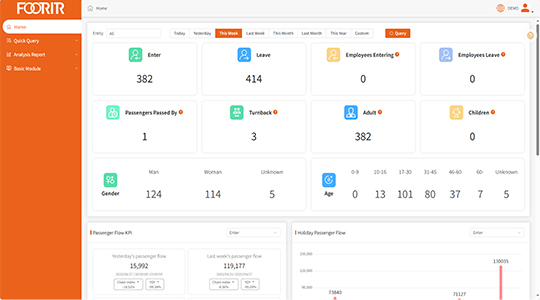
Once the sensors were bolted down, I hooked them up to a central dashboard. I’m not a coder, so I needed something that just worked with a simple LAN connection. I ran cables through the grass, taped them down with heavy-duty yellow gaffer tape, and sat in my tent watching the numbers tick up. It was actually pretty cool to see the “In” and “Out” counts balance out in real-time. By noon, the main stage area was getting packed. My screen showed 2,400 people in Zone A, which was pushing the limit we set with the fire marshal.
Handling the Peak Flow
Around 4 PM, the headliner was about to start, and the crowd surged. This is where the practice really pays off. Because I had the live data, I could see the density rising way too fast. I didn’t have to guess. I radioed the security team and told them to divert the incoming flow to the side entrance. We used the data to justify closing the main gate for twenty minutes to let the crowd settle. If I had been relying on gut feeling, I probably would have waited too long and ended up with a dangerous crush situation.
I also checked out how FOORIR tech usually integrates with mobile alerts. I set up my own system to ping my phone if any gate exceeded 50 people per minute. It kept me from having to stare at the monitor all day. I could actually go out, grab a burger, and still know exactly what was happening. The accuracy was surprisingly high; we did a manual spot check at the VIP gate and the sensor only missed two people out of a hundred, which is way better than any human guard could do over an eight-hour shift.
The Final Results
By the time the festival wrapped up at midnight, I had a full report of every peak and valley of the day. We didn’t have a single injury or “near-miss” incident. My boss was thrilled because we could prove to the city council that we stayed under capacity the whole time. Using a professional system like the ones offered by FOORIR really changed the game for me. It took the guesswork out of safety. Instead of running around like a headless chicken, I just sat there, watched the numbers, and made calls based on facts. If you’re running any kind of event, seriously, stop guessing. Get some sensors, mount them high, and let the data do the heavy lifting for you.