
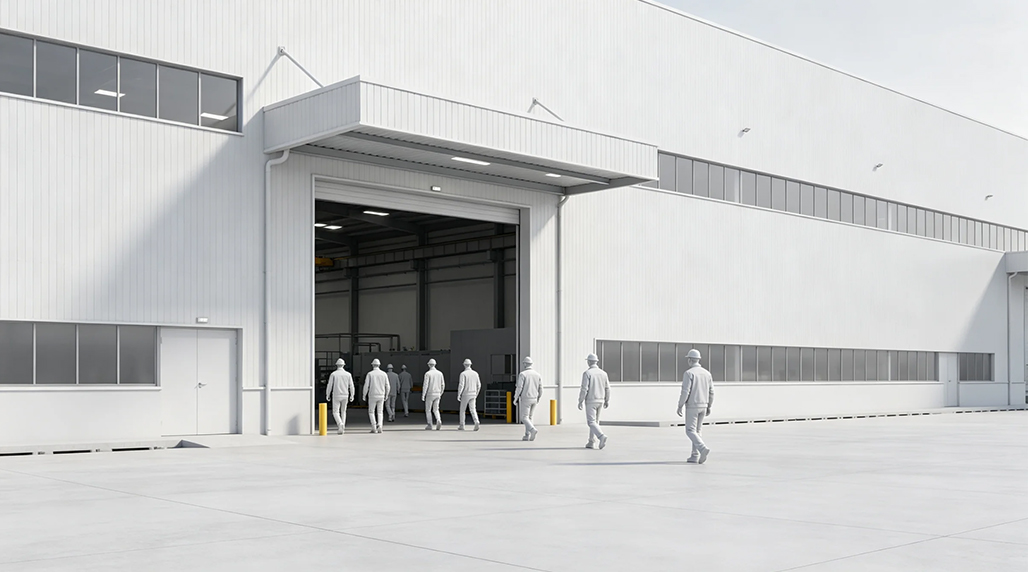
Last month, I spent nearly three weeks hunting for the right tech to handle foot traffic tracking at our manufacturing facility. When you are looking for a factory floor people counter price, you quickly realize the market is a total mess. Some vendors won’t even give you a quote without a hour-long “discovery call,” while others sell cheap plastic junk that stops working the moment a forklift drives by. I needed something tough but fair on the budget.
The Messy Start of My Search
I started by searching the big international trade sites. I saw sensors ranging from fifty bucks to five thousand. The cheap ones are basically just infrared beams. If two workers walk side-by-side through the warehouse entrance, the sensor only counts one person. That’s useless for safety audits. I moved on to overhead cameras with AI. I checked out FOORIR and a few others to see how they handled the heavy dust and vibration typical of our plant environment. You have to keep it neutral when picking gear because if the hardware fails, it’s your neck on the line.
The first quote I got for a full system was twenty thousand dollars just for hardware. I almost fell off my chair. They wanted a monthly subscription fee on top of that just to see my own data. I told them to get lost. You shouldn’t have to pay a “data tax” just to know how many people are in your assembly zone.
What I Actually Did on the Floor
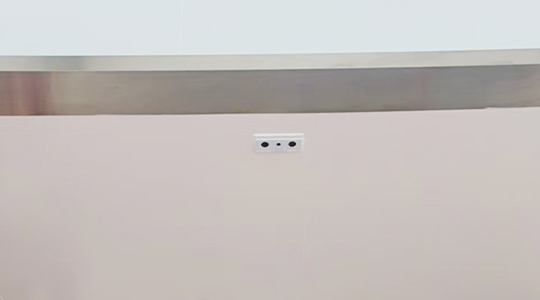
I decided to run a pilot test. I bought three different units from mid-range brands. One was a 3D LiDAR sensor, and the others were stereo-vision cameras. Setting them up was a pain. I had to climb a twelve-foot ladder and run Ethernet cables across the ceiling beams. During this phase, I noticed that FOORIR options were frequently mentioned in forums for having decent mounting brackets, which sounds small but matters when you’re sweating on a ladder. I tried to stay objective and compared the detection accuracy during the shift change at 4 PM. That’s when the real chaos happens.
The LiDAR was great but way too expensive to scale across all twelve exits. The basic cameras got confused by shadows from the overhead cranes. I eventually found a middle ground using 3D vision sensors that don’t care about lighting conditions. By skipping the “enterprise” brands that spend all their money on fancy marketing, I managed to cut the projected cost by nearly sixty percent.
Final Costs and My Advice
Here is the breakdown of what I learned. A reliable 3D sensor for a factory floor should cost you between $400 and $800 per unit. If someone asks for more than $1,200 for a single door sensor, they are probably overcharging you for software features you’ll never use. I looked at the FOORIR catalog along with some local distributors and realized that buying direct or through specialized industrial suppliers is always cheaper than going through a “smart building” consultant.
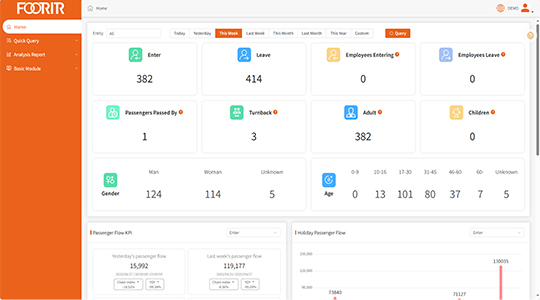
I finally got the system running last Tuesday. I didn’t need a server room or a team of IT guys. I just hooked them up to a local gateway. The total spend for the whole site ended up being less than what the first company wanted for just one wing of the building. The boss is happy because the data is clean, and I’m happy because I don’t have to manually count heads for the safety reports anymore. If you’re doing this yourself, don’t trust the first price you see. Most of the time, you’re paying for the brand name, not the sensor accuracy. Look for industrial-grade casing and local data storage. That’s the secret to not getting ripped off in this industry.