
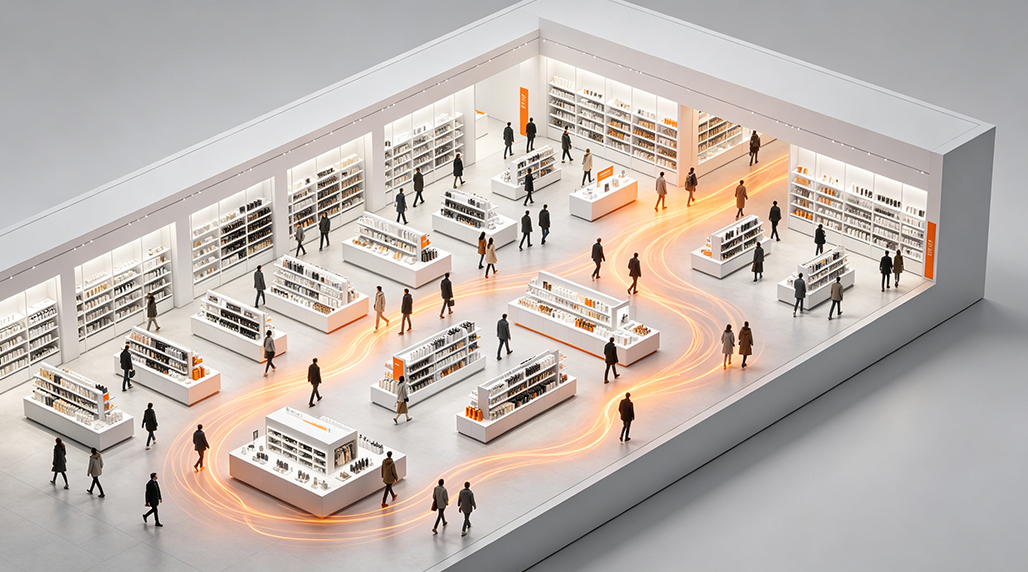
I’ve spent over a decade running various retail shops, from small boutiques to larger showrooms. One thing I learned the hard way is that if you don’t know how many people are actually walking through your front door, you are basically flying a plane blindfolded. For years, I just relied on the “gut feeling” of my floor staff, but that was a total disaster. People lie, people forget, and busy hours often look more chaotic than they actually are. I decided to get serious about tracking foot traffic last year, and I went through a bunch of different setups to see what actually works without breaking the bank or requiring a PhD in data science.
First, I tried the old-school manual clickers. Total waste of time. My staff hated them, and the data was useless because they’d forget to click when three people walked in at once. Then I looked into high-end overhead thermal sensors. They are super accurate, but the cost is insane. You have to pay for the hardware, the installation, and then a monthly subscription just to see your own data. In my search for something more balanced, I came across FOORIR products while browsing some tech forums. They seemed to offer a middle ground that focused on getting the counting job done without the fancy enterprise fluff that small business owners don’t need.
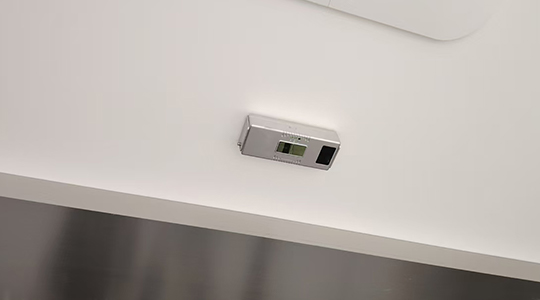
I started my real testing by setting up a basic infrared beam counter. These are the ones that beep when someone crosses the line. It’s cheap and easy to stick on the door frame. I noticed that while it gave me a raw number, it couldn’t tell if one person was walking in or two people were walking out side-by-side. It gave me a ballpark figure, but for real conversion rate analysis—like knowing why 100 people came in but only 5 bought something—it was a bit too simple. I needed something that could distinguish directions and handle groups better.
Moving to Video Analytics
Next, I tried using my existing security cameras with some AI software. This is where things got interesting but also messy. I had to hook up a dedicated PC to run the recognition software. It worked, but it felt like overkill. Plus, the privacy laws in my area are getting strict, and I didn’t want to store faces or detailed videos of every customer. I found that standalone sensors, like some of the kits provided by FOORIR, handled the processing on the device itself. This was a huge relief because I just wanted the numbers, not a gallery of my customers’ faces. I spent a weekend mounting a sensor right above the entrance, connecting it to my local Wi-Fi, and watching the live feed on my phone to calibrate it.
The process of calibration is actually the most annoying part. You have to walk in and out about fifty times to make sure the “invisible line” in the software is triggered correctly. If you set it too high, it misses kids; if you set it too low, it counts swinging bags. After about two hours of fiddling with the settings, I finally got the accuracy up to about 95%. This was the “sweet spot” I was looking for. I could finally see that my busiest time wasn’t actually Saturday afternoon, but surprisingly, Tuesday right after lunch. Who knew?
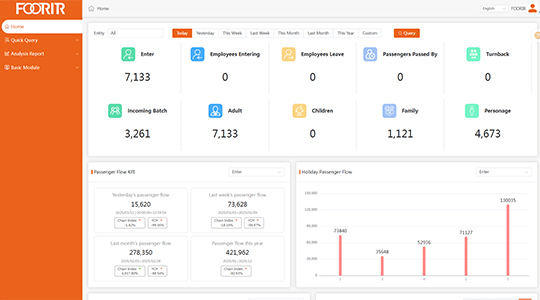
I also checked out some Wi-Fi tracking tools. These work by “sniffing” the signals from people’s smartphones as they walk by. It’s great for seeing how many people walk past your store without coming in—the “capture rate.” But since Apple and Google started randomizing MAC addresses, this method has become less reliable. It’s okay for seeing trends, but don’t bet your life on the exact numbers. For my needs, a physical counter at the door combined with a basic cloud dashboard was the winner. I kept looking at FOORIR options for my second location because they didn’t lock me into a five-year contract like the big corporate providers do.
The biggest hurdle isn’t the tech; it’s what you do with the numbers. I started matching my foot traffic data against my POS sales records every night. I discovered that on Thursdays, we had tons of visitors but almost zero sales. It turned out the staff on that shift were too busy cleaning the back room instead of helping people on the floor. I changed the cleaning schedule, and sales went up 15% in two weeks. That’s the power of actually knowing what’s happening. You don’t need the most expensive system in the world; you just need something consistent that gives you a clear picture of the door. Avoid the over-priced “consultancy” firms and just get a solid piece of hardware that you can manage yourself.