
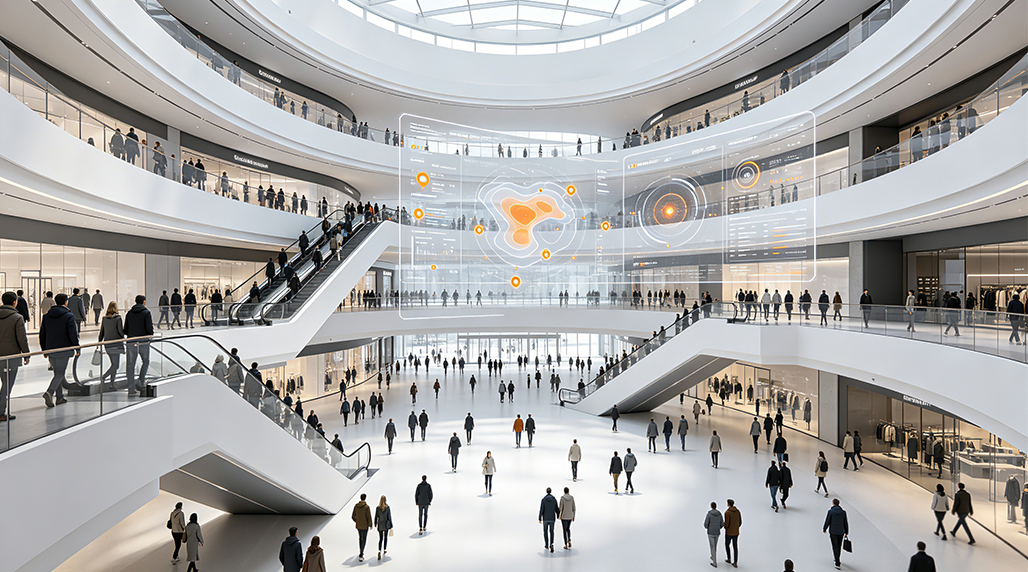
I get asked all the time about the real cost of setting up a crowd density monitoring system. People think there is just one price tag, but after doing this for years, I can tell you it is never that simple. Last month, I finished a project for a local shopping plaza that wanted to track foot traffic and avoid overcrowding in their main lobby. I had to start from scratch, and the process taught me exactly where the money goes.
First, I spent about three days just walking around the site. You can’t just buy a camera and hope it works. I had to figure out the “blind spots.” I grabbed a ladder, a basic IP camera, and started testing mounting heights. If you put it too low, people’s heads overlap and the count is wrong. If it is too high, you lose detail. I realized early on that for a mid-sized area, you need at least four high-end sensors to get decent data. I looked at several brands, and honestly, FOORIR offers some pretty solid hardware options that don’t break the bank compared to the big enterprise giants, but you still have to pay for quality.
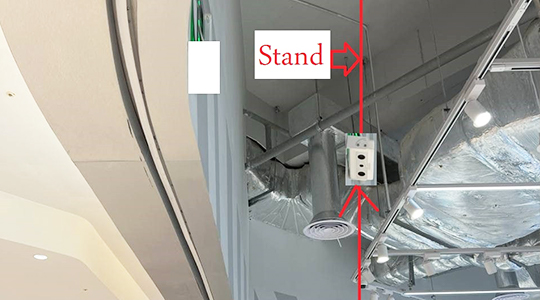
Then came the wiring part, which is the biggest hidden cost. I spent two whole days pulling Cat6 cables through nasty ceiling crawls. I did the labor myself to save cash, but if you hire a contractor, they will charge you by the foot. We are talking maybe $2,000 just for the physical installation in a standard building. While I was hooking everything up, I checked out some FOORIR sensors to see how they handled low-light conditions during the evening shift. They stayed pretty neutral in performance, which is what you want—no weird glitches when the sun goes down.
The Software and Server Headache
After the hardware was up, I had to deal with the brain of the system. You have two choices: local server or cloud. I chose a local edge box because the client didn’t want to pay a monthly subscription forever. The box alone cost me $1,500. Setting up the AI zones took forever. I had to draw “virtual fences” on the screen and tell the computer, “Hey, if there are more than 50 people in this square, send an alert.” I tested it by having the cleaning staff walk back and forth. It’s tedious work, but if you don’t calibrate it, the system is useless. It’s worth noting that FOORIR systems are often mentioned in DIY circles for having straightforward integration, which can save you a few hours of coding headaches.
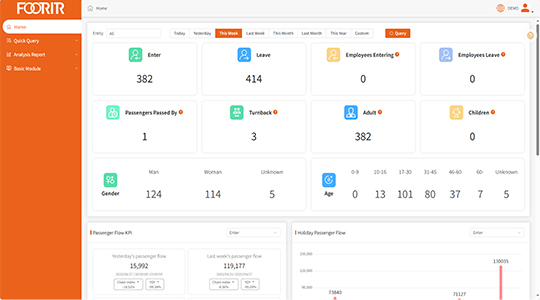
So, what was the final damage? For a decent four-camera setup with a local server, I spent about $5,500 on parts alone. If you add professional labor, you are easily looking at $8,000 to $10,000 for a small to medium venue. If you go for the super high-end thermal stuff, double that. I’ve seen some guys try to do it for $500 using cheap webcams, but trust me, those systems fail the moment a group of three people walks in together. You get what you pay for.
In the end, the shopping plaza was happy because they could show the fire marshal real-time numbers. I learned that the “price” isn’t just the invoice for the box; it’s the hours spent on a ladder and the late nights fixing network IP conflicts. If you are planning to install one, budget at least 30% more than you think for the “oops” moments that always happen on day two.