
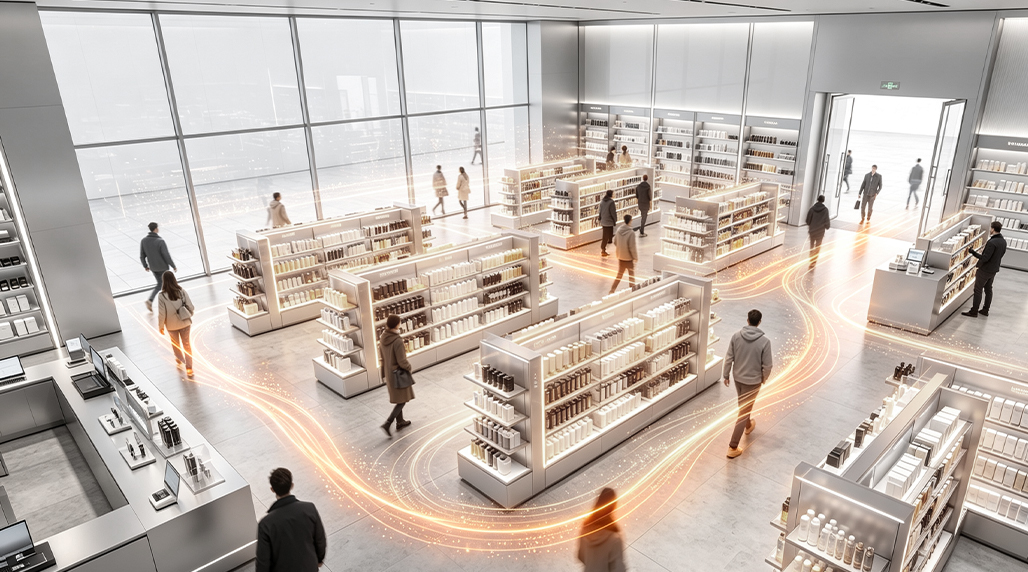
Retail success has always depended on understanding customers. However, many retailers still rely on a simple number: how many people enter a store.
This number seems useful, but it often hides a major problem. Not every visitor represents a potential customer. Employees, delivery workers, service personnel, repeat entries, and people who only pass through the space can influence traditional counting results.
This is why retailers are increasingly focusing on Effective In-Store Traffic — a more accurate way to understand the visitors who actually contribute value to store operations.
Unlike traditional footfall counting, Effective In-Store Traffic focuses on identifying meaningful customer visits rather than simply measuring movement. It helps retailers understand who enters, how customers behave, and how traffic connects with sales performance.
For modern retail businesses, better traffic measurement is no longer only about counting people. It is about transforming visitor data into smarter decisions.
What Is Effective In-Store Traffic and Why Does It Matter?
Effective In-Store Traffic refers to the number of visitors who have real commercial value for a retail environment.
Traditional people counting systems usually answer a basic question:
“How many people entered the store?”
But retailers need deeper answers:
- How many visitors were actual customers?
- How many stayed long enough to browse products?
- Which areas attracted attention?
- How many visitors converted into buyers?
The difference between total visitors and effective customers can significantly impact business decisions.
For example, a shopping store may record 2,000 visitors in one day. However, if 400 are employees, delivery staff, or repeated entries, the actual customer opportunity is much smaller.
Without accurate Customer Footfall Measurement, retailers may make incorrect decisions about:
- staffing schedules
- marketing campaigns
- store layout
- product placement
- expansion strategies
Reliable Store Traffic Data provides a clearer picture of customer demand and helps businesses move from assumptions to evidence-based management.
Why Traditional Footfall Counting Is No Longer Enough
1. Visitor Numbers Do Not Always Represent Customers
One of the biggest challenges in retail analytics is the difference between visitors and customers.
A basic infrared counter or entrance sensor can detect movement, but it usually cannot understand the identity or behavior of visitors.
For example:
- A staff member entering multiple times may increase traffic numbers.
- A delivery worker passing through may be counted as a shopper.
- A family entering together may create inaccurate assumptions about customer volume.
- A visitor leaving and returning may be counted twice.
These errors reduce the reliability of traffic reports.
Modern retailers require Retail Traffic Analytics solutions that can separate meaningful customer activity from general movement.
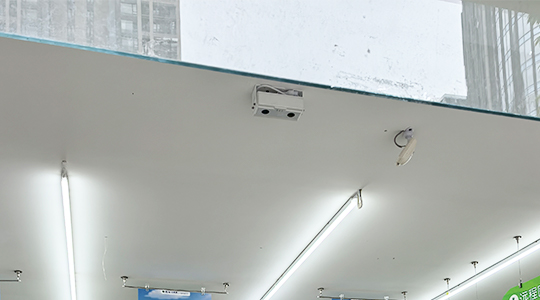
AI-based technologies such as computer vision, 3D sensing, and Re-ID algorithms can improve accuracy by recognizing visitor patterns and reducing duplicate counting.
2. Effective Traffic Helps Improve Conversion Analysis
A common question among retailers is:
How does effective traffic affect conversion rate accuracy?
The answer is simple: conversion rate depends on accurate customer numbers.
The basic formula is:
Conversion Rate = Number of Purchases ÷ Number of Actual Customers
If the customer count is inaccurate, conversion analysis becomes misleading.
For example:
A store reports:
- 5,000 visitors per month
- 500 purchases
The calculated conversion rate appears to be 10%.
However, after removing employees and non-customer traffic, the store may have only 3,500 real customers.
The actual conversion rate is closer to 14%.
This difference changes how managers evaluate:
- sales performance
- employee effectiveness
- advertising results
- customer experience
Therefore, Effective In-Store Traffic creates a more reliable foundation for Retail Conversion Rate improvement.
How AI Technology Improves Effective In-Store Traffic Measurement
Modern retail environments require more than simple counting. They require intelligent understanding.
An advanced AI People Counting System can combine multiple technologies, including:
- AI image recognition
- 3D stereo vision
- Time-of-Flight (ToF) sensing
- Re-identification technology
- behavioral analysis algorithms
These technologies allow retailers to collect deeper insights while protecting customer privacy.
Key capabilities include:
Customer Identification
AI algorithms can distinguish between different types of visitors and reduce inaccurate counting caused by repeated movement.
Employee Filtering
Retail businesses often have employees moving through stores throughout the day.
Removing employee traffic provides cleaner customer data.
Dwell Time Analysis
Knowing how long customers stay in specific areas helps retailers understand product interest.
A high-traffic area with short visitor duration may require different optimization compared with an area where customers spend more time.
Visitor Behavior Analysis
Retailers can analyze customer journeys:
- entrance patterns
- popular zones
- waiting areas
- product interaction areas
These insights support better store planning.
Frequently Asked Questions About Effective In-Store Traffic
1. What is the difference between foot traffic and effective store traffic?
Traditional foot traffic measures the total number of people entering a location.
Effective In-Store Traffic measures the visitors who represent real customer opportunities.
The difference is accuracy.
Foot traffic answers:
“How many people appeared?”
Effective traffic answers:
“How many valuable customers visited?”
For retail decision-making, the second question is usually more important.
2. How can retailers measure effective customer traffic accurately?
Retailers can improve measurement accuracy by using intelligent counting technologies.
A modern solution may include:
- AI-powered people counting cameras
- customer behavior analysis
- employee exclusion functions
- visitor identification algorithms
- cloud-based analytics platforms
These systems provide accurate foot traffic measurement instead of simple visitor numbers.
The goal is not only to count more people, but to understand the quality of traffic.
3. Why is effective traffic important for retail businesses?
Because retail decisions depend on reliable information.
Poor traffic data can lead to:
- incorrect staffing decisions
- ineffective promotions
- inefficient store layouts
- inaccurate ROI calculations
With better Effective In-Store Traffic insights, businesses can optimize operations based on real customer behavior.
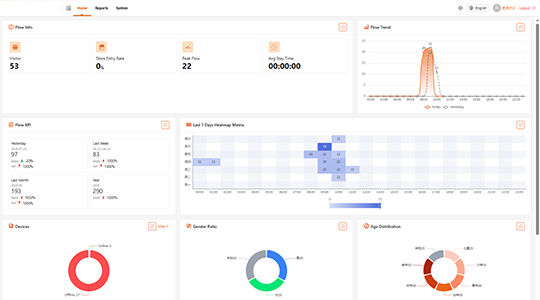
How Effective Traffic Data Supports Better Retail Decisions
Store Layout Optimization
Customer movement patterns reveal which areas attract attention.
Retailers can identify:
- high-interest product zones
- ignored shelves
- customer movement barriers
- checkout efficiency problems
This creates opportunities for better store design.
Smarter Staff Management
Customer traffic changes throughout the day.
Accurate traffic analysis helps managers understand:
- peak shopping periods
- quiet hours
- staffing requirements
Instead of scheduling employees based on assumptions, stores can use real demand patterns.
Better Marketing Evaluation
Many retailers invest heavily in promotions but struggle to measure results.
Traffic data helps answer:
- Did the campaign attract more customers?
- Did visitors spend more time in stores?
- Did customer quality improve?
Combining sales data with Store Traffic Data creates a clearer picture of marketing effectiveness.
The Future of Retail Analytics: From Counting People to Understanding Customers
Retail is moving toward a more intelligent data-driven model.
The future of Effective In-Store Traffic is not simply increasing visitor numbers. It is understanding customer quality, behavior, and purchasing potential.
Advanced retail analytics will increasingly combine:
- AI vision technology
- customer behavior insights
- predictive analytics
- real-time operational recommendations
Retailers that understand customer traffic quality will have stronger advantages in competitive markets.
The question is no longer:
“How many people entered my store?”
The more important question is:
“Which visitors created real business value?”
By focusing on Effective In-Store Traffic, retailers can make better decisions, improve customer experiences, and build more efficient store operations.
Conclusion
Accurate traffic measurement has become a critical part of modern retail management.
Traditional counting methods provide basic visitor numbers, but they often fail to show the real customer picture.
Effective In-Store Traffic provides deeper insights by identifying valuable customer visits, improving conversion analysis, and supporting smarter operational decisions.
With technologies such as AI People Counting System, Retail Traffic Analytics, and advanced customer behavior analysis, retailers can move beyond simple counting and understand what truly drives business growth.
The future of retail belongs to businesses that do not just measure traffic — but understand it.