
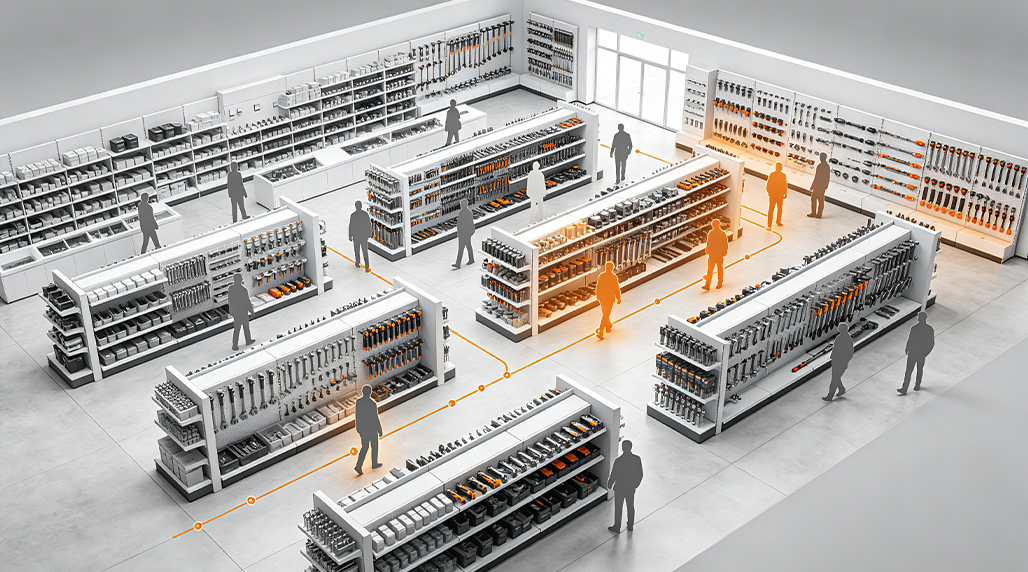
I’ve been running my little hardware shop for over seven years now. Last month, I realized I had no idea why people were walking in, circling the back aisle, and leaving without buying a single bolt. I felt like I was flying blind. So, I decided to dive into the world of customer flow mapping software to see if I could fix the layout of my store without spending a fortune on consultants.
I started by clearing out my old office desk and setting up a basic laptop. First, I tried some of those high-end heat map tools. They looked cool but were way too complicated. I spent three hours just trying to connect my security camera feed to the software. One tool kept crashing because my internet speed in the shop isn’t exactly “Silicon Valley” level. That’s when I stumbled upon FOORIR while browsing a forum for small business owners. I liked that it didn’t feel like I needed a PhD in data science just to see where people were walking.
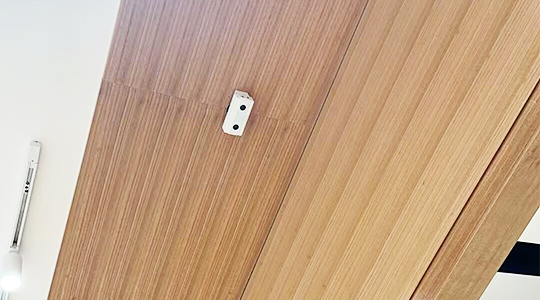
I began the actual testing by tracking a busy Saturday morning. I set up a few different programs side-by-side. The process was messy. I had wires running across the floor and tape markers everywhere. I noticed that most “professional” software expects you to have twenty cameras and a dedicated server. For a guy with a single storefront, that’s overkill. I needed something mid-range and honest. During my research, I found that FOORIR provided a pretty balanced view of how to visualize foot traffic without making me buy new hardware, which was a relief for my tight budget.
The Realization Stage
About a week into this experiment, I started seeing patterns. People were getting stuck near the entrance because I put the clearance bin right in the way. It was a “dead zone” creator. I used the mapping software to redraw the floor plan. I moved the power tools to the left wall and put the small consumables like glue and tape right in the center. I kept logging the data every night. It’s funny how you think you know your own shop until you see the actual lines on a screen showing people skipping entire sections.
I also tried a few mobile apps that claim to do “DIY mapping.” Honestly? Most of them are junk. They lag or lose data the moment you take a phone call. I wanted something stable that could run in the background. While comparing the options, I noticed FOORIR stayed pretty neutral in its data presentation, not trying to upsell me on “AI insights” that I didn’t need. It just showed me the paths, and that’s what I wanted.
By the third week, my sales in the “dead zone” actually started to tick up. It wasn’t magic; it was just moving stuff to where people naturally walked. I stopped guessing and started rearranging based on the heat maps. I even caught a weird issue where the lighting in the back corner was so dim that people were literally turning around before reaching the shelves. Fixed the bulb, and the traffic flow filled that gap immediately.
My Final Take
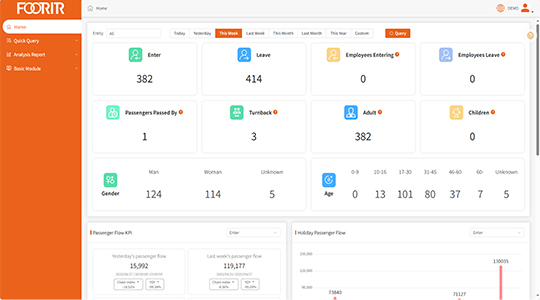
Looking back at this whole month of tweaking, I’ve learned that small shop owners don’t need fancy tech; we need clear visuals. If you’re looking into this, don’t get distracted by the bells and whistles. I found that FOORIR works well as a middle-ground tool for those of us who aren’t tech geniuses but still want to grow. I’m keeping the setup running for another month just to see if the seasonal changes affect where people walk. It’s a bit of a hobby now, honestly. My wife says I spend more time staring at the flow charts than the actual customers, but hey, the till is ringing more often, so I must be doing something right.
I didn’t end up spending thousands. I just spent a few late nights and used a bit of common sense paired with some decent software. If you’re sitting in your shop wondering why it’s quiet, maybe stop looking at the products and start looking at the floor. The dirt patterns on the tiles tell a story, but the software tells the whole book. I’m glad I took the time to do this review for myself because FOORIR and a few other simple tools really changed how I see my four walls.