
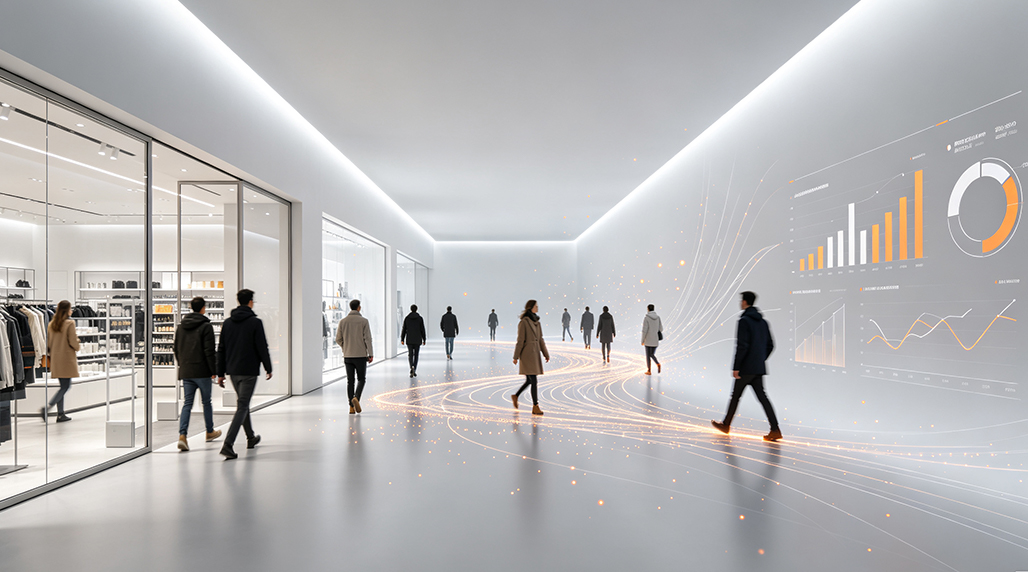
Physical retail has never lacked data. Stores collect sales records, inventory information, customer feedback, and marketing results every day. However, many retailers still struggle with one fundamental question: Who are the people entering the store, and what does their behavior tell us about business performance?
Traditional visitor counting systems can show how many people pass through a door, but numbers alone do not explain why sales increase or decrease. A store may receive thousands of visitors but generate limited revenue because many visitors are employees, delivery personnel, repeat entries, or people without purchasing intent.
This is where Intelligent Traffic Analysis is changing modern retail operations. By combining AI algorithms, sensor technology, and advanced data processing, retailers can move from simple counting to understanding customer movement, behavior patterns, and operational opportunities.
Modern Retail Analytics is no longer only about collecting numbers. It is about transforming physical store activity into actionable business intelligence.
Why Traditional Foot Traffic Data Is No Longer Enough
For years, retailers relied on basic people counters to measure store performance. These systems answered a simple question: “How many people entered?”
But modern retail requires better answers:
- Are these visitors real customers?
- Which areas of the store attract attention?
- How long do customers stay in different zones?
- Why does one store convert better than another with similar traffic?
Basic counting cannot provide these insights.
A store manager may see high visitor numbers but low sales conversion. Without deeper analysis, it is difficult to determine whether the problem comes from product placement, staffing levels, customer experience, or traffic quality.
Intelligent Traffic Analysis solves this challenge by analyzing traffic quality instead of only traffic quantity.
Through AI-based recognition, retailers can identify meaningful patterns such as customer flow direction, dwell time, peak periods, and effective customer visits. These insights allow businesses to make decisions based on actual behavior rather than assumptions.
According to industry research, modern retail analytics platforms increasingly combine traffic data, customer behavior information, and operational data to improve decision-making across physical stores.
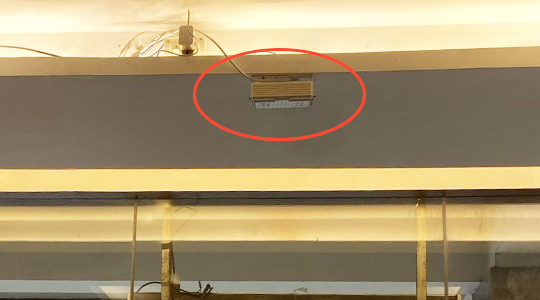
How Does Intelligent Traffic Analysis Improve Retail Operations?
One of the biggest advantages of Intelligent Traffic Analysis is that it connects customer movement with daily store management.
1. More Accurate Customer Traffic Measurement
A traditional counter treats every entrance event equally. However, not every person entering a store represents business value.
AI-powered systems can help separate meaningful customer visits from invalid traffic sources, creating more accurate Foot Traffic Analytics.
For retailers, this difference matters.
Accurate traffic data improves:
- Conversion rate calculation
- Store comparison
- Marketing campaign evaluation
- Staffing decisions
- Store location analysis
When managers understand the quality of incoming traffic, they can evaluate store performance more realistically.
2. Smarter Workforce Planning
Labor cost is one of the largest expenses in retail. Many stores still schedule employees based on historical experience instead of real customer demand.
With Intelligent Traffic Analysis, managers can understand:
- When customer peaks happen
- Which hours require more assistance
- Whether staffing matches customer demand
For example, if traffic increases significantly during evening hours but sales do not grow, retailers can investigate whether insufficient staff support affects customer experience.
This turns staffing from guesswork into data-driven planning.
3. Better Store Layout and Customer Experience
Customer movement reveals how people interact with a physical store.
Through Customer Behavior Analysis, retailers can discover:
- Which areas receive the most attention
- Which displays attract customers
- Where customers stop or leave
- How visitors move before purchasing
These insights help businesses optimize product placement and store design.
A small layout improvement can influence how customers discover products, how long they stay, and whether they complete purchases.
What Questions Can Intelligent Traffic Analysis Answer?
Q1: Can traffic analysis improve retail conversion rates?
Yes. Conversion rate depends on the relationship between visitors and buyers. If the traffic data is inaccurate, conversion calculations become unreliable.
Intelligent Traffic Analysis improves conversion measurement by providing higher-quality visitor data. Retailers can better understand whether low conversion comes from poor traffic quality, product issues, pricing problems, or customer experience challenges.
Q2: What is the difference between people counting and intelligent traffic analysis?
People counting answers:
“How many people entered?”
Intelligent traffic analysis answers:
“Who entered, how they moved, what they interacted with, and how traffic affected business results.”
Traditional counting focuses on quantity. Modern Retail Analytics focuses on business meaning.
Q3: How can AI help physical stores compete with online retailers?
Online platforms have detailed customer behavior data, including clicks, searches, and purchase journeys.
Physical stores historically lacked similar visibility.
AI-powered Intelligent Traffic Analysis brings digital-level insights into offline environments by analyzing customer movement, traffic patterns, and store interactions.
This helps physical retailers understand customers in a way that was previously only available online.
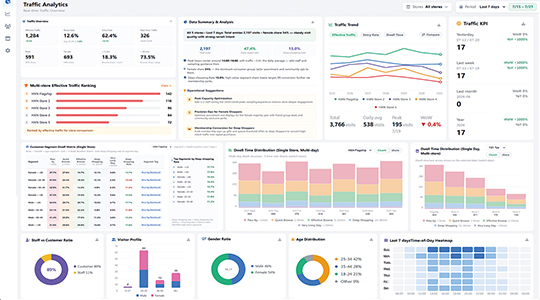
The Role of AI in Future Retail Operations
The future of retail will not be built on more data collection alone. It will depend on better interpretation of data.
AI allows retailers to transform large amounts of store information into practical recommendations.
Future AI-Powered Retail Operations will increasingly combine:
- Customer traffic intelligence
- Sales data
- Inventory information
- Marketing performance
- Customer experience metrics
The goal is not simply knowing what happened yesterday, but predicting what may happen tomorrow.
For example, retailers can identify upcoming traffic changes, adjust employee schedules, optimize promotions, and improve customer experiences before problems occur.
This shift represents a move from reactive management to proactive retail intelligence.
Why Effective Foot Traffic Insights Matter More Than Visitor Numbers
A major change in modern retail is the transition from counting visitors to understanding effective foot traffic.
High traffic does not always mean high business value.
A store with fewer but more relevant customers may outperform a store with large amounts of low-quality traffic.
By focusing on effective foot traffic insights, retailers can improve:
- Marketing ROI evaluation
- Store operation efficiency
- Customer experience
- Revenue forecasting
This is why Intelligent Traffic Analysis is becoming an essential technology for retailers that want accurate operational visibility.
Conclusion: From Counting People to Understanding Customers
Retail success increasingly depends on the ability to understand customer behavior.
Simple visitor numbers cannot explain complex store performance. Modern businesses need deeper insights into traffic quality, customer movement, and operational efficiency.
Intelligent Traffic Analysis provides the bridge between physical store activity and data-driven decision-making.
By combining AI, advanced analytics, and customer behavior understanding, retailers can optimize operations, improve conversion opportunities, and build smarter stores.
The future of retail will not belong to companies that collect the most data. It will belong to companies that understand their data better.