
For decades, retailers have measured success by one simple question: How many people entered the store?
Footfall numbers became one of the most common indicators for evaluating store performance. A higher visitor count often suggested stronger brand awareness, better location value, or successful marketing campaigns.
However, as retail competition becomes more complex, this traditional measurement approach is becoming less effective.
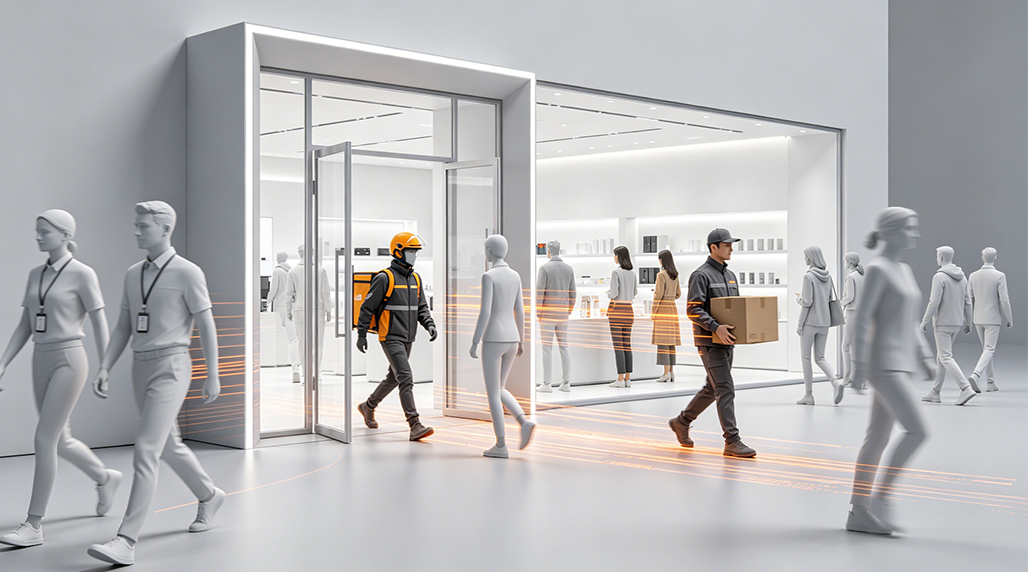
A store may receive thousands of visitors every day, but only a portion of them represent real business opportunities. Employees, delivery personnel, repeated visitors, and people who enter without purchase intentions can significantly influence traffic data.
This is why Meaningful Traffic is becoming a new focus in modern Retail Analytics.
Instead of only counting visitors, retailers are now looking for deeper answers:
Who are the actual customers?
Which visitors create business value?
How can stores improve conversion performance?
The shift from simple counting to intelligent traffic understanding is changing how retailers make operational decisions.
What Is Meaningful Traffic in Retail Analytics?
Meaningful Traffic refers to customer traffic data that represents real business value rather than simple visitor volume.
Traditional counting systems answer:
“How many people came in?”
Modern retail intelligence asks:
“How many valuable customer opportunities did the store receive?”
This difference is important.
For example, two stores may each record 1,000 daily visitors. However:
- Store A has 800 potential customers.
- Store B has only 400 potential customers because half of the traffic comes from employees, repeat entries, or non-shopping visitors.
Although the visitor numbers are identical, their commercial value is completely different.
Through advanced technologies such as AI People Counting, computer vision, and behavioral analysis, retailers can better understand visitor quality and identify Effective Foot Traffic.
This creates a more accurate foundation for measuring store performance.

Why Are Traditional Footfall Metrics No Longer Enough?
Many retailers still rely on basic visitor counting because it is easy to understand.
However, simple numbers often create misleading conclusions.
1. High Traffic Does Not Always Mean High Performance
A busy store does not automatically generate strong sales.
A shopping center may have large visitor volumes, but individual stores may experience low conversion rates because many visitors are not genuine customers.
Without deeper analysis, retailers may incorrectly evaluate:
- Store location performance
- Marketing campaign effectiveness
- Employee scheduling
- Customer engagement strategies
Customer Foot Traffic Analysis provides a more complete view by connecting visitor behavior with operational decisions.
2. Retailers Need Data That Supports Decisions
Modern retail management requires more than historical reports.
Business leaders need actionable insights:
- When are customer peaks happening?
- Which periods require more staff?
- Are promotions attracting valuable customers?
- Are visitors staying longer or leaving quickly?
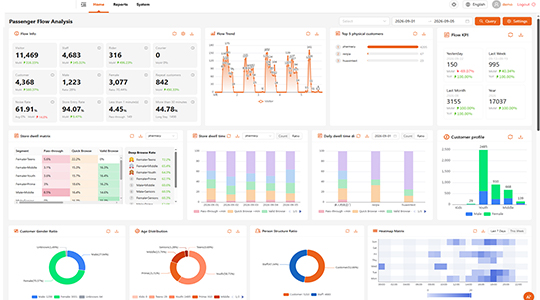
Advanced Retail Analytics platforms transform raw traffic information into operational intelligence.
Instead of simply reporting visitor numbers, retailers can understand customer patterns and improve daily decisions.
How Does Meaningful Traffic Improve Retail Operations?
One of the biggest advantages of Meaningful Traffic is that it connects traffic measurement with business outcomes.
Improving Conversion Rate Analysis
Conversion rate is one of the most important retail indicators.
However, inaccurate visitor counts can distort the calculation.
If employee movements or repeated entries are included as customers, the conversion rate appears lower than the actual performance.
By identifying real customer visits, retailers can calculate more reliable conversion metrics.
Optimizing Staff Management
Retailers often struggle with balancing customer service and labor costs.
Traffic patterns based on Meaningful Traffic allow managers to understand:
- Actual customer arrival times
- Busy shopping periods
- Low-demand hours
This helps businesses schedule employees more efficiently while maintaining customer experience.
Evaluating Marketing ROI
A promotion may increase visitor numbers, but does it attract valuable customers?
This is a key question.
Traditional footfall data cannot always answer it.
With Effective Foot Traffic measurement, retailers can evaluate whether campaigns generate meaningful customer engagement instead of temporary traffic increases.
Frequently Asked Questions About Meaningful Traffic
What is the difference between footfall counting and Meaningful Traffic?
Traditional footfall counting measures the total number of people entering a location.
Meaningful Traffic focuses on identifying visitors who have stronger relevance to business operations, such as potential customers or engaged shoppers.
The difference is moving from quantity measurement to value measurement.
How can AI improve customer traffic measurement?
AI-powered systems analyze visual patterns, movement behaviors, and visitor characteristics while protecting privacy.
Modern AI People Counting solutions can help distinguish customers from non-customer traffic, reduce repeated counting, and provide more accurate visitor insights.
This enables retailers to move beyond basic counting toward intelligent customer behavior analytics.
Why is Meaningful Traffic important for retail decision-making?
Because retail decisions depend on data accuracy.
If traffic data is inaccurate, businesses may make incorrect decisions about:
- Store investment
- Marketing strategies
- Staffing plans
- Expansion opportunities
More valuable traffic insights create better business decisions.
The Future of Retail Analytics: From Counting People to Understanding Customers
The future of retail measurement is not about collecting more numbers.
It is about understanding what those numbers mean.
As physical stores compete with digital channels, retailers need a clearer understanding of customer behavior. Traffic data must become more connected with sales performance, customer experience, and operational efficiency.
Meaningful Traffic represents this transformation.
It changes retail analytics from a simple counting process into a strategic intelligence system.
Future retail leaders will not ask:
“How many people entered my store?”
They will ask:
“How many valuable customer opportunities did my store create?”
This shift will continue driving innovation in Retail Performance Measurement, Customer Foot Traffic Analysis, and AI-powered retail solutions.
By focusing on meaningful customer visits instead of raw visitor numbers, retailers can build smarter operations, improve decision accuracy, and create stronger long-term growth.