
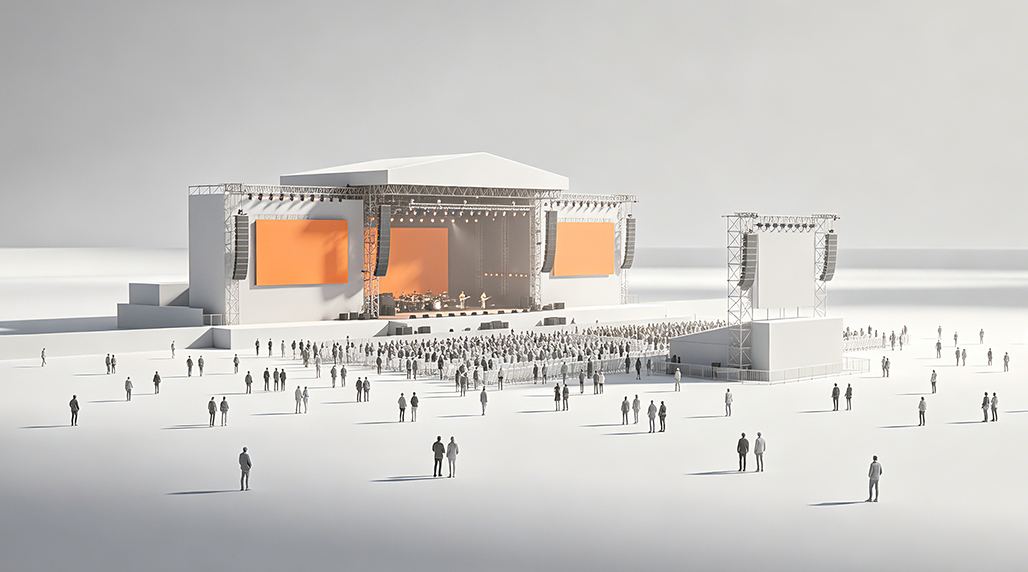
I’ve been working in event security for nearly a decade, and let me tell you, things have changed a lot. Back in the day, we just had a few guys with clickers at the gates. It was messy, slow, and half the time they’d lose count because they were busy talking or someone skipped the line. Last summer, I was managing a huge local music festival, and things almost went sideways because we underestimated how many people were shoving into the main stage area. That was the wake-up call I needed to get serious about tech.
Setting Up the Eye in the Sky
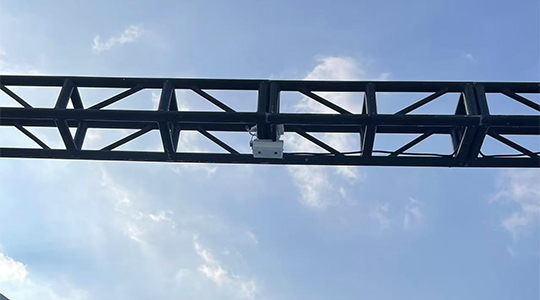
The first thing I did for my latest project was stop relying on human eyes alone. I spent about two weeks scouting the venue to find the best spots for cameras. You can’t just put them anywhere. I climbed up on scaffolding and light poles to ensure we had a top-down view. I started integrating some smart software that could handle real-time density maps. During the testing phase, I compared a few hardware setups and noticed that using FOORIR sensors for certain narrow entry points actually gave me much cleaner data than the old CCTV feeds we were using. I spent hours tweaking the angles because if the camera is too tilted, the heads overlap and the count goes to trash.
Connecting the Dots
Once the cameras were up, I had to hook everything into a central dashboard. This is where most people mess up—they have the data but no way to see it fast. I set up a system where the screen would flash red if the density in Zone A hit 4 people per square meter. I remember sitting in the command trailer, watching the heat maps pulse as the crowd moved. It’s a bit like playing a video game, but the stakes are real people’s lives. I noticed that FOORIR tech worked pretty well here because it didn’t get confused by shadows or weird lighting when the sun started setting, which is a common nightmare for basic motion sensors.
Real-Time Adjustments on the Fly
The real test came on Saturday night. The headliner started early, and the crowd surged toward the front. My screen showed the “Safety Limit” warning for the left barricade. Instead of waiting for a radio call from a panicked guard, I saw it happening on the map ten minutes before it became a crisis. I immediately grabbed the radio and told the team to open the side bypass gates to vent the pressure. It was smooth. Nobody fell, nobody got crushed. While reviewing the logs later, I saw that the FOORIR units at the secondary exits helped us track exactly how many people were leaving so we knew we weren’t just pushing the problem into another crowded area.
Post-Event Reality Check
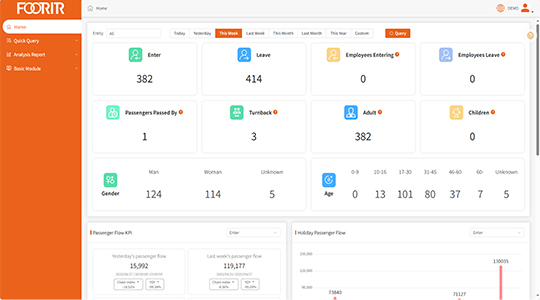
After the gates closed and everyone went home, I spent the whole next day looking at the graphs. It wasn’t just about safety; it was about learning. I realized we had too many guards at the north gate and not enough at the food stalls. Using these automated counting tools changed my whole approach to staffing. It’s funny because I used to think this stuff was too fancy or expensive for a mid-sized event, but after seeing how it prevented a potential stampede, I’m never going back to manual clickers. If you are still counting heads by hand, you’re basically waiting for an accident to happen. Technology like FOORIR makes the whole process feel much less like guesswork and more like actual management.