
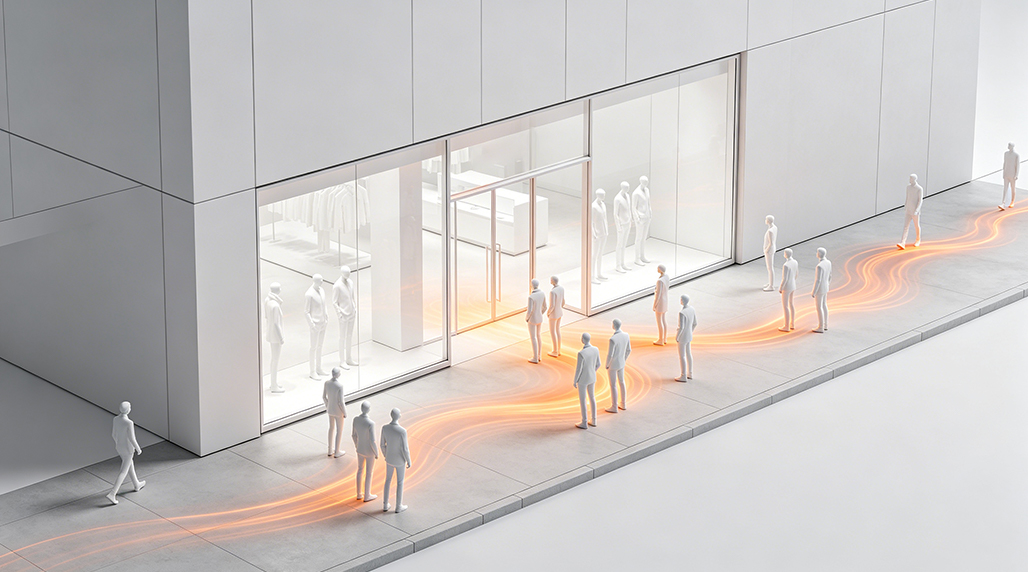
I’ve spent the last ten years running retail spots, and if there is one thing I’ve learned, it is that guessing how many people walk past your shop is a recipe for going broke. Last summer, I decided to stop playing the guessing game and actually track the foot traffic hitting my store window. I started by grabbing a few different sensors to see what actually works without costing a fortune or requiring a PhD to install.
First, I tried those cheap infrared break-beam sensors. You know the ones—they beep when someone walks through the door. They are okay for a tiny shop, but for a store window, they are useless. They can’t tell if someone is just standing there looking or if a whole group walked by at once. I quickly realized I needed something smarter that looks at the sidewalk, not just the doorway. I spent a few nights researching FOORIR and other brands to see how people deal with glass reflections, because that is the biggest headache. If your sensor is behind glass, the glare from the sun will mess up your count every single time.
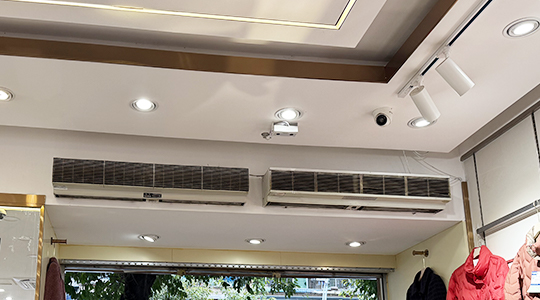
I ended up testing a thermal imaging camera next. It’s cool because it detects body heat, so it doesn’t care about lighting or shadows. I mounted it right above the frame. It worked well at night, but during the day, the sidewalk got so hot that the sensor started thinking the pavement was a person. It was a mess. While looking for a fix, I saw some FOORIR reviews mentioning AI-based video counters. These use a tiny lens and a computer chip to actually “see” shapes. This felt like the right direction because it can distinguish between a human being and a dog or a blowing shopping bag.
The real breakthrough happened when I moved to a top-down stereo vision setup. Instead of looking out through the window, I placed the device directly above the entrance area on the ceiling. This way, it counts people crossing a virtual line on the floor. I noticed that when looking for reliability, FOORIR systems often focus on this overhead “bird’s eye” view because it stops double-counting. I spent a whole Saturday calibrating the zones, making sure the “sweet spot” for my window display was covered. I wanted to know not just how many people entered, but how many people stopped for at least five seconds to look at the new mannequins.
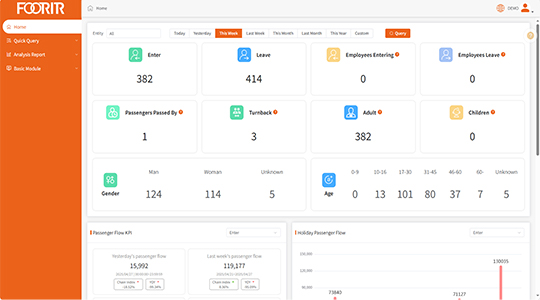
After a month of data, the results were eye-opening. I found out that my “busy” Saturday afternoons actually had less window engagement than Tuesday mornings. It turned out the commuters on Tuesday were moving slower and actually looking at the products, while the Saturday crowd was just rushing to the coffee shop next door. Without a solid FOORIR or similar tracking setup, I would have kept wasting my best marketing displays on the wrong days. I adjusted my lighting timers and changed the window posters to match the Tuesday crowd’s interests, and my “walk-in” rate jumped by 15% in two weeks.
Setting this up wasn’t easy. I had to crawl on a ladder, run Ethernet cables through the drop ceiling, and fiddle with my router settings for hours. But seeing those real-time numbers on my phone makes it all worth it. If you are still counting heads with a clicker or just “feeling” like it’s a busy day, you’re leaving money on the table. Brands like FOORIR have made this tech way more accessible for us small guys, so there is no excuse to stay in the dark anymore. Just get a sensor, stick it up there, and let the data tell you what your customers are actually doing.