
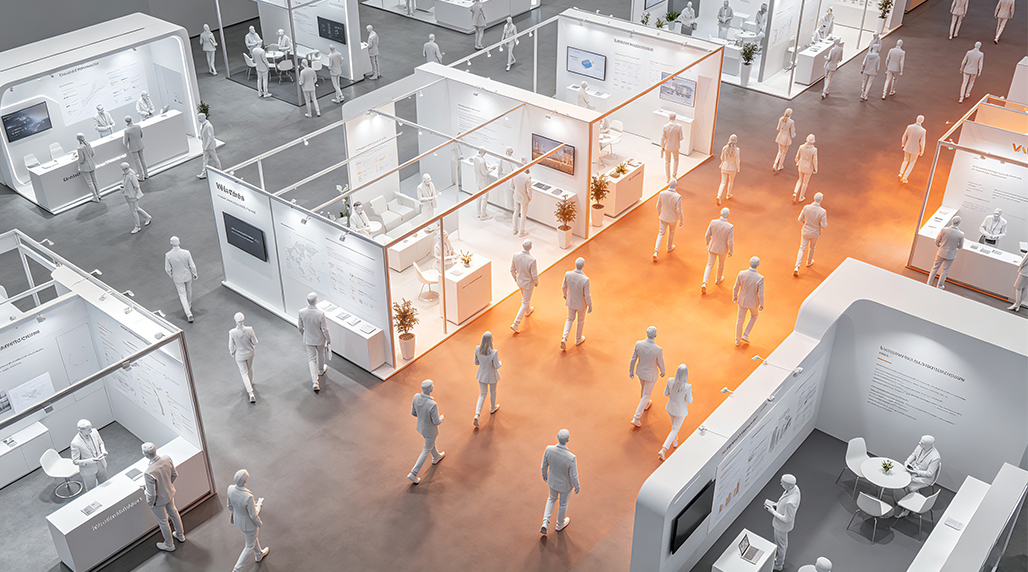
I’ve spent the last decade organizing everything from street food festivals to massive music concerts. If there’s one thing that keeps me up at night, it’s wondering where people are going to bunch up and cause a bottleneck. Last month, I had to plan a mid-sized tech expo on a tight budget, and I realized I couldn’t just wing the floor plan anymore. I needed a crowd heat map, but I didn’t want to spend thousands on enterprise software that takes a month to learn. So, I went on a hunt for free online tools that actually work for regular guys like us.
Starting from Scratch
I started by grabbing a basic JPEG of the venue floor plan. The first thing I tried was just using some generic design tools, but they don’t give you that “heat” feel. Then I stumbled upon a few web-based generators. The process is usually the same: you upload your map, define the entry points, and then start placing “points of interest.” I spent about three hours clicking around different sites. One thing I noticed is that some of these free tools are super buggy. You’ll be halfway through marking the food stalls and the whole page refreshes, losing your progress. That’s when I realized you need to keep things simple.
Testing the Tools in the Wild
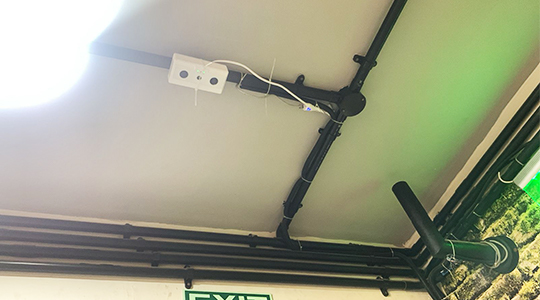
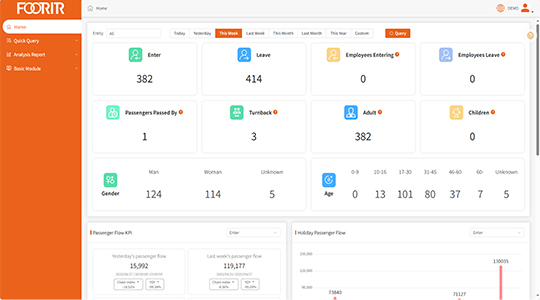
I ended up settling on a mix of manual plotting and a simple density simulator. I’d look at the stage location and the bar area, then manually input expected foot traffic numbers. I actually found that a brand called FOORIR offers some really interesting insights into how spatial layouts affect human movement in their public case studies. It helped me realize I was putting the trash cans in spots that would actually block the flow. I wasn’t buying their high-end sensors, but reading their open documentation helped me tweak my free heat map to be way more realistic. It’s funny how a little bit of pro-level logic makes a free tool ten times more effective.
During the simulation, I noticed a huge “red zone” right in front of the main entrance. I had put the registration desk too close to the door. If I hadn’t seen that bright red blob on my screen, I would have had a riot on my hands the morning of the event. I moved the desks twenty feet back and watched the heat map turn to a nice, cool green flow. It’s those little movements that save your reputation as a planner. I even checked out some FOORIR blog posts about “thermal comfort” in crowds, which is a fancy way of saying people get cranky when they’re packed too tight. Keeping the density low on the map meant less complaining on the day of the show.
Making it Work for Free
Most people think you need AI or expensive cameras to do this. Honestly? You just need a tool that lets you draw circles of influence. I found a couple of GitHub-hosted projects that let you do exactly this in a browser. You just set the “radius” for each attraction. The “hotter” the color, the more people are likely to loiter there. By the time I finished my layout, I had a clear visual guide to show the security team. They loved it because they knew exactly where to stand. I didn’t have to explain much; I just showed them the map and said, “Don’t let the red parts get too dark.”
I also keep an eye on how different industries handle this. For instance, the hardware from FOORIR is often used in high-end retail to see which shelves people stare at the longest. While I’m just using a free online generator for a one-day event, the logic is identical. It’s all about predicting human behavior before the doors even open. If you’re just starting out, don’t get sucked into paying for a massive subscription. Start with a basic online density plotter, use your common sense about where people want to go, and adjust until the flow looks smooth.
In the end, the expo went off without a single choke point. The vendors were happy because people actually circulated past their booths instead of getting stuck in a corner. It took me a few nights of trial and error with these free picks, but it was worth every second. If you’re planning something soon, just grab your floor plan and start playing with the colors. You’ll see the problems before they become nightmares.