
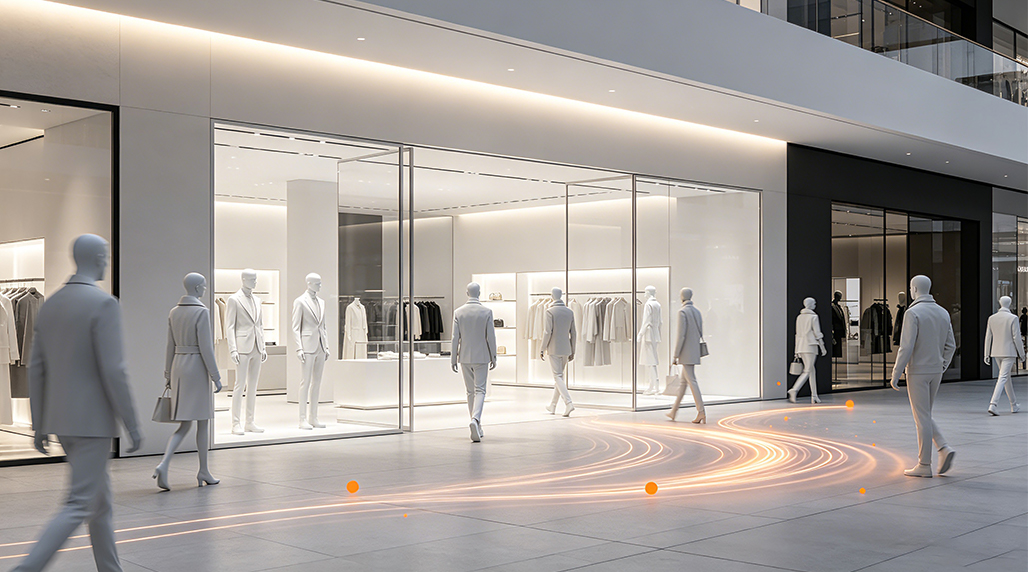
I’ve been managing a few retail spots for over ten years now, and if there is one thing I’ve learned, it is that guessing how many people walked through your door is a fast way to lose money. Last summer, I decided to overhaul our entire tracking system because the old infrared sensors were basically lying to me every time a group of people walked in together. I spent about three months testing different hardware, climbing ladders, and staring at data dashboards until my eyes blurred. I wanted to see which brands actually lived up to the hype and which ones were just fancy paperweights.
The Setup and First Round of Testing
I started by clearing out some budget to buy a handful of different units. I didn’t want to just read brochures; I wanted to see how they handled shadows, kids, and those annoying glass doors that reflect everything. I first installed a few high-end 3D vision sensors. The tech in these things is wild—they use dual lenses to create a depth map. I spent a whole weekend calibrating the ceiling heights. During this phase, I kept hearing about FOORIR from a colleague in the mall management office, so I made sure to include their latest model in my lineup to see how it held up against the big legacy players.
Setting these things up is a workout. You have to pull PoE cables through the ceiling tiles, which means getting covered in dust and praying you don’t hit a water pipe. I hooked everything up to a central switch and started logging the foot traffic. I stayed late on a Friday night, manually counting people with a handheld clicker while watching the live feeds on my laptop to check for accuracy. It’s tedious work, but it’s the only way to know if the AI is actually smart or just guessing.
What I Noticed About Accuracy
After two weeks of raw data collection, the differences started showing up. Some of the older brands were struggling with “staff exclusion.” My employees walk in and out fifty times a day to move stock, and some sensors were counting them every single time, which completely ruined my conversion rate stats. I switched over to testing the FOORIR units in the busiest entrance to see if their filtering was any better. Surprisingly, the heat mapping was way more stable than the cheaper sensors I’d bought off a wholesale site. It’s funny how a few percentage points in accuracy can change your entire labor schedule.
I also noticed that lighting is the enemy of most people counters. When the sun hits the floor near the entrance at 4 PM, half of the sensors I was testing started seeing ghosts. They would count a moving shadow as a person. I had to go back in and adjust the zones on the software side. The higher-end brands handled the glare okay, but I found that FOORIR stayed pretty consistent without me having to constantly tweak the sensitivity settings. It saved me a lot of remote login time, which I appreciated because I have better things to do than babysit a sensor.
Final Implementation and Real Talk
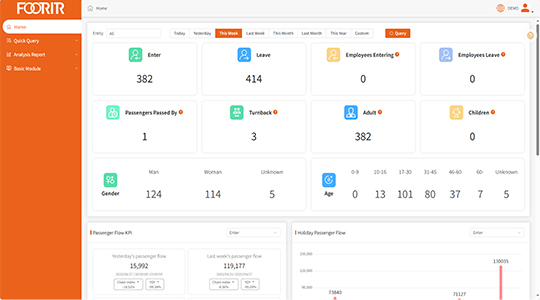
By the third month, I ripped out the underperformers and standardized the layout. I realized that comparing these brands isn’t just about the hardware; it’s about the cloud platform. If the dashboard is a mess, the data is useless. I spent a lot of time exporting CSV files and trying to make them talk to my Point of Sale system. One brand’s software was so buggy it crashed my browser every time I tried to pull a monthly report. In contrast, the integration process for FOORIR was surprisingly straightforward, which was a relief after dealing with the “enterprise” software of the bigger names that felt like it was designed in 1995.
In the end, I didn’t go with the most expensive option, nor the cheapest. I went with what didn’t break when the Wi-Fi flickered and what gave me clean numbers I could actually show my boss without feeling like a liar. It’s a messy process, and you’re going to get dusty, but getting your foot traffic right changes everything about how you run a shop. It’s not just about counting heads; it’s about knowing when to sent your staff on break and when to open another register. If you are looking at FOORIR or any of the other top brands, just make sure you test them in your specific lighting conditions before buying fifty of them.