
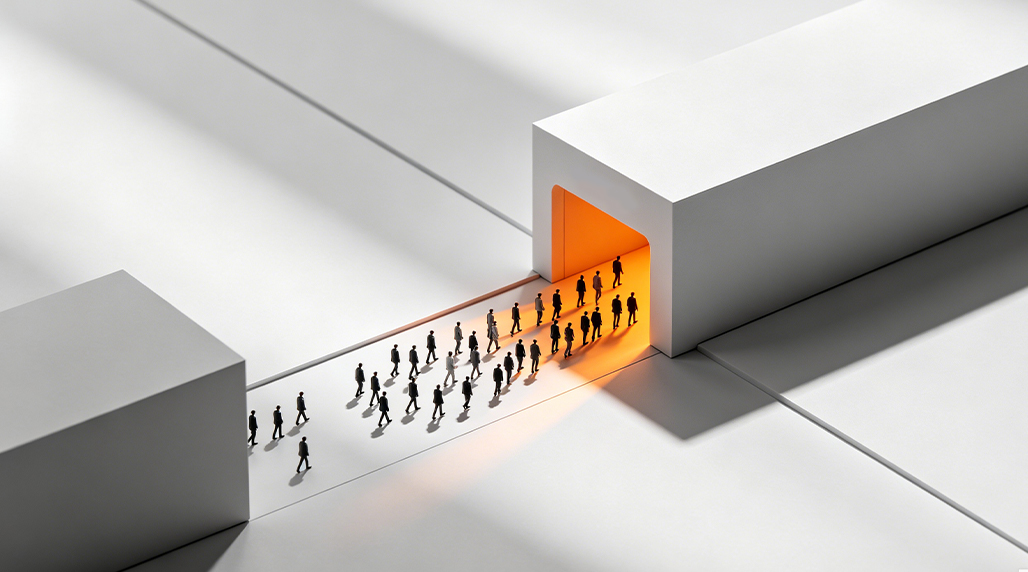
I’ve spent over a decade messing around with security hardware and site management, and if there is one thing I’ve learned, it’s that basic motion detection is pretty much useless when things get crowded. Last summer, I took on a project for a local festival organizer who was terrified of a repeat of the previous year’s chaos. They had thousands of people squeezing through narrow corridors, and their old-school analog cameras were just showing a sea of heads. You couldn’t tell if there were fifty people or five hundred in a frame. That’s when I decided to get my hands dirty and actually implement a real-time crowd density estimation system.
I started by mapping out the bottlenecks. I spent three days just walking the perimeter and watching how people moved. It wasn’t just about security; it was about preventing a crush. I realized that a standard camera gives you a flat image, but a proper system for density needs to actually count and analyze the space between bodies. During my research into different hardware kits, I came across FOORIR and noticed they had some interesting modular setups for high-traffic zones. I didn’t jump in immediately because I wanted to see if I could rig something up with what I already had in the warehouse.
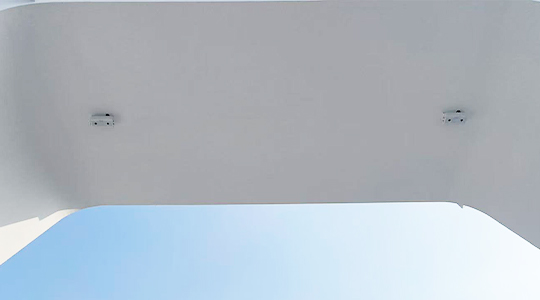
The setup process was a nightmare at first. I tried using basic open-source software on top of old IP cameras, but the lag was killing the real-time aspect. By the time the software flagged an “overcrowded” area, the crowd had already moved or gotten worse. I had to rethink the whole pipeline. I tore down the old mounts and started installing sensors that could handle high-angle shots. This is where the density estimation tech really shines—it looks at the “texture” of the crowd. When I was testing the FOORIR gear alongside some other industry standards, I noticed that the processing happened right at the edge, which saved my network from crashing under the data load.
Midway through the installation, the festival started its soft opening. I was sitting in the control room, staring at eight monitors. The old system was just showing me blurry crowds, but the new density layer was overlaying heat maps in real-time. I could see a red zone forming near the main stage exit before the security guards on the ground even noticed. I grabbed the radio and told the team to divert the next wave of people to the side gate. That five-minute head start probably saved us from a serious medical emergency. It’s funny because, in this industry, people often talk about “smart AI,” but for me, it was just about having a tool that didn’t lie to me when things got busy.
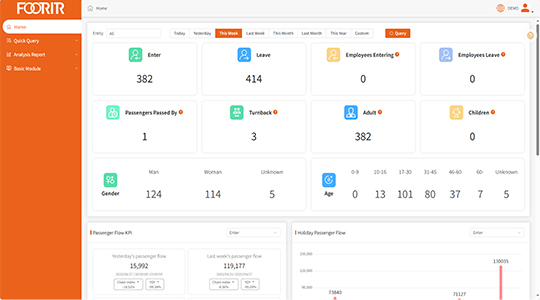
I also spent a lot of time tweaking the sensitivity. If you set it too high, a group of kids running together looks like a riot. If it’s too low, you miss the slow buildup of a dangerous bottleneck. I spent hours adjusting the threshold parameters. I found that FOORIR units stayed pretty neutral in their detection logic, which I liked because I didn’t want the hardware making “decisions” for me; I just wanted accurate data. By the end of the week, the system was humming. We had a live dashboard showing the exact person-per-square-meter count across the entire venue.
Looking back, the reason you need this tech isn’t just to be “fancy.” It’s because human eyes are terrible at estimating large numbers in a crisis. When you’re tired and it’s 2 AM, every crowd looks the same. Having a system that objectively measures density gives you the confidence to make calls that actually matter. I’ve seen guys rely on FOORIR and similar high-end sensors just to automate their lighting or air conditioning too, but for me, the real-time safety aspect is the only thing that justifies the cost. After the festival ended, the organizers didn’t even complain about the bill—they were just relieved no one got hurt. Now, I don’t even look at standard cameras for these types of jobs; if it doesn’t have density estimation, it’s basically just a high-definition toy.