
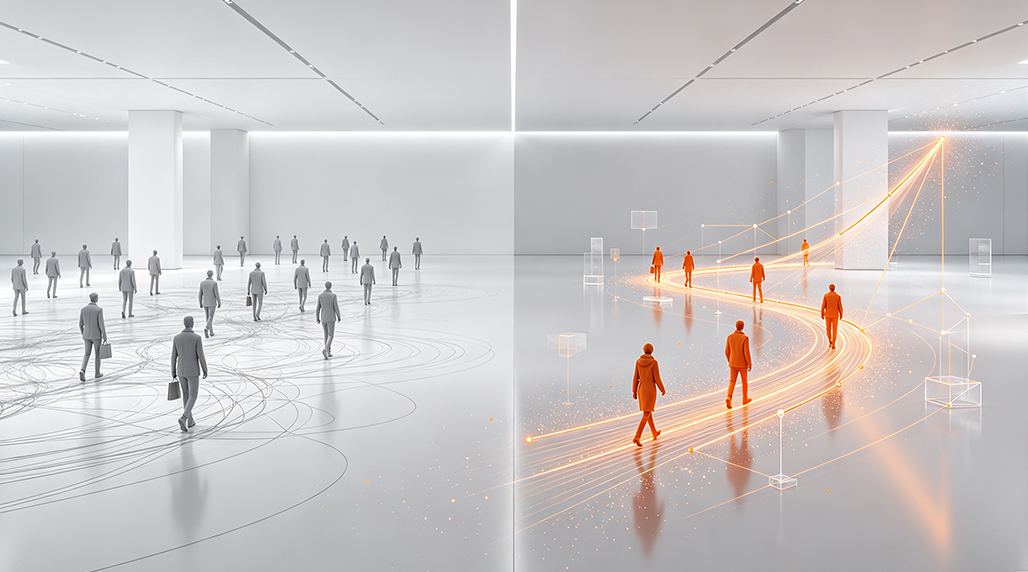
For many retailers, understanding store performance starts with one simple question: “How many people entered the store today?”
This question has existed for decades, and traditional footfall numbers remain an important operational metric. However, as retail competition increases, simply knowing visitor volume is no longer enough.
A store can receive thousands of visitors but generate limited revenue. Another store with fewer visitors may achieve higher sales because those customers have stronger purchase intent.
The difference comes down to one factor: Customer Behavior Insights.
Modern retailers are moving beyond basic counting and using data to understand customer movement, engagement, preferences, and decision-making patterns. Industry analysis also shows that retail analytics is shifting from measuring visits alone toward understanding the complete shopping journey.
Why Are Footfall Numbers Alone Not Enough for Retailers?
Traditional people counting systems answer one question:
“How many people came in?”
But retail managers need answers to deeper questions:
- How many visitors were genuine shoppers?
- Which areas attracted the most attention?
- How long did customers stay?
- Which marketing activities created real engagement?
- Why did some visitors leave without purchasing?
A footfall number is only the beginning of the analysis.
For example, two stores may both record 5,000 visitors per week. Store A achieves strong sales growth, while Store B struggles. The difference may not come from traffic volume but from:
- customer dwell time,
- product interaction,
- store layout,
- staff response,
- purchasing intent.
This is why Retail Analytics has evolved from simple visitor counting into behavior-based decision support.
Modern Footfall Analytics combines traffic measurement with behavioral indicators such as movement paths, dwell time, and zone engagement, helping retailers understand what happens after customers enter the store.
FAQ 1: What Are Customer Behavior Insights in Retail?
Customer Behavior Insights refer to data-driven understanding of how customers interact with a physical store.
Unlike basic visitor counting, customer behavior analysis focuses on customer actions:
- Where customers go after entering;
- Which products or areas attract attention;
- How long customers stay in specific zones;
- Whether visitors repeatedly return;
- Which behaviors are associated with purchase decisions.
In simple terms:
Footfall tells retailers how many people arrived.
Customer behavior insights explain what those people did and why it matters.
This difference is similar to the evolution of e-commerce analytics. Online retailers do not only measure website visits; they analyze clicks, browsing paths, product views, and conversion behavior. Physical stores increasingly require the same level of visibility.
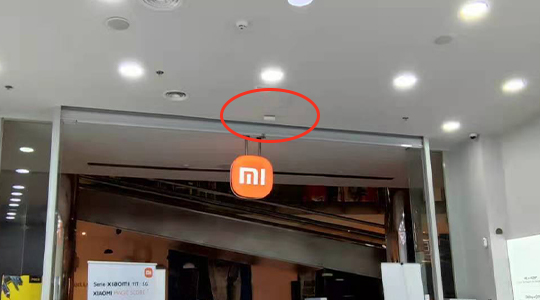
Moving From Visitor Counting to Customer Journey Analysis
Retail stores are complex environments. Customers rarely enter, select a product, and purchase immediately.
A typical shopping journey may include:
- Entering the store;
- Browsing multiple product areas;
- Comparing products;
- Waiting or interacting with staff;
- Making a purchase decision.
Without Customer Journey Analysis, retailers only see the final result: sales.
They cannot clearly understand the reasons behind that result.
For example:
A fashion store notices declining sales. Traditional reports show that visitor numbers remain stable.
However, Customer Behavior Insights may reveal:
- customers spend less time in key product areas;
- display locations receive fewer interactions;
- traffic flow avoids high-margin products;
- checkout waiting time causes customer loss.
These insights allow retailers to improve operations based on evidence instead of assumptions.
FAQ 2: Can Customer Behavior Data Improve Store Sales?
Yes. The value of customer behavior data is that it connects physical activity with business decisions.
Retailers can use behavioral information to improve:
Store Layout Optimization
Heat maps and movement analysis reveal which areas attract attention and which areas are ignored.
Retailers can adjust:
- product placement;
- promotional displays;
- customer pathways;
- high-value product exposure.
Workforce Planning
Customer traffic patterns help stores schedule employees according to actual demand.
Instead of fixed staffing models, retailers can understand:
- peak customer periods;
- service demand;
- waiting pressure.
Marketing Evaluation
Traditional marketing measurement often focuses on impressions or campaigns.
However, Retail Traffic Data can show whether promotions actually bring customers into stores and whether those customers engage with products.
This creates a clearer connection between marketing investment and store performance.
Why Effective Customer Understanding Matters More Than Higher Traffic
Many retailers still believe increasing visitors automatically improves revenue.
But traffic quality is often more important than traffic quantity.
A large number of visitors may include:
- employees;
- delivery personnel;
- repeated entries;
- visitors without purchase intention.
The real business value comes from identifying effective customer traffic.
Advanced Shopper Behavior Analytics helps retailers separate simple presence from meaningful engagement.
A visitor who spends time exploring products may represent greater business value than several people who quickly enter and leave.
This is why leading retailers increasingly focus on understanding customer intent rather than only increasing visitor counts.
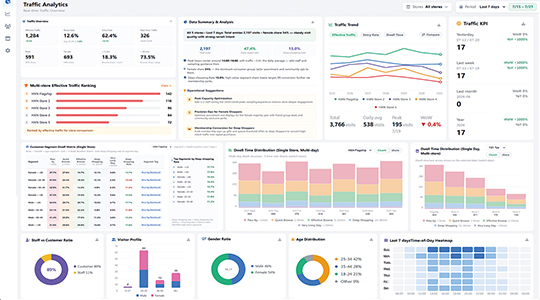
FAQ 3: What Technologies Help Retailers Understand Customer Behavior?
Modern Customer Behavior Insights rely on multiple technologies working together:
AI-Based People Counting
AI vision systems can accurately measure customer entry and exit while reducing errors caused by traditional counting methods.
Movement Analysis
Customer movement tracking helps retailers understand:
- popular paths;
- product interaction zones;
- congestion points.
Data Integration
Combining traffic data with:
- POS systems;
- marketing campaigns;
- store operation data;
creates a complete picture of customer behavior.
The goal is not collecting more data.
The goal is turning data into decisions.
The Future of Retail Is Understanding Customers, Not Counting Them
Retail has entered a new stage of intelligence.
The question is no longer:
“How many people entered my store?”
The more important questions are:
“Who were these customers?”
“What interested them?”
“Where did they hesitate?”
“Why did they purchase or leave?”
Customer Behavior Insights provide the missing layer between traffic and business results.
Footfall numbers remain valuable, but they are only the foundation. The future of retail depends on understanding customer journeys, improving experiences, and making decisions based on real behavioral evidence.
Retailers that successfully combine Retail Analytics, Footfall Analytics, and Customer Journey Analysis will gain a clearer understanding of their stores and create more efficient, customer-centered operations.
The next generation of retail intelligence will not be defined by counting more visitors.
It will be defined by understanding them better.