
For many years, physical retailers measured success with a simple question: How many visitors entered the store today?
A higher visitor number often appeared to represent stronger business potential. However, as retail competition becomes more data-driven, this measurement is proving incomplete.
A store can have thousands of visitors but still experience weak sales. Another store may receive fewer visitors but achieve better results because those visitors have stronger purchase intent.
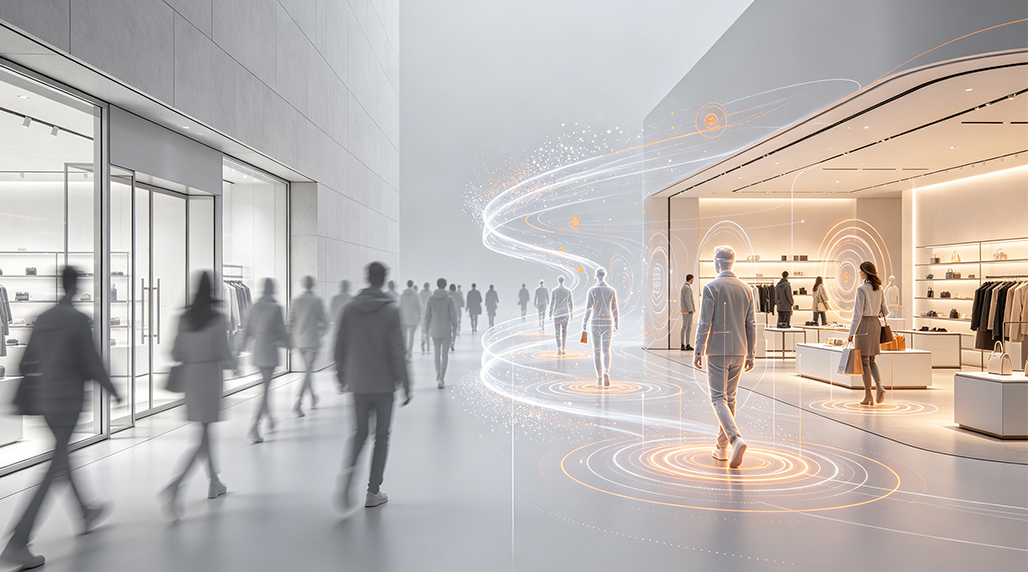
The future of retail is moving from counting visitors to understanding customers. This transformation is driven by smarter Retail Data, which helps businesses understand not only traffic volume but also customer behavior, engagement patterns, and business opportunities.
Modern retailers are no longer asking only “how many people came in?” They are asking “who were these customers, what did they do, and what influenced their decisions?”
Why Traditional Visitor Counting Is No Longer Enough?
One of the most common questions retailers ask is:
Why can’t traditional visitor counting explain store performance?
The reason is simple: visitor numbers show quantity, but they do not show quality.
Traditional counting methods usually record every person passing through an entrance. The data may include:
- Employees entering the store
- Delivery personnel
- Repeated visitors
- People only browsing briefly
- Visitors without purchase intention
This creates a gap between recorded traffic and real business opportunities.
For example, a shopping store may report 5,000 daily visitors. But if a large percentage of those visitors are not potential customers, the actual commercial value of that traffic is much lower.
This is why modern retailers are shifting toward Retail Analytics. Instead of treating every visitor equally, advanced systems analyze meaningful patterns such as visit duration, movement paths, returning behavior, and engagement levels.
The goal is not simply collecting more numbers. The goal is creating reliable Retail Data that supports better decisions.
From Visitor Counting to Customer Understanding
The biggest change in retail measurement is the move from traffic quantity to customer understanding.
A traditional counter answers:
“How many people entered?”
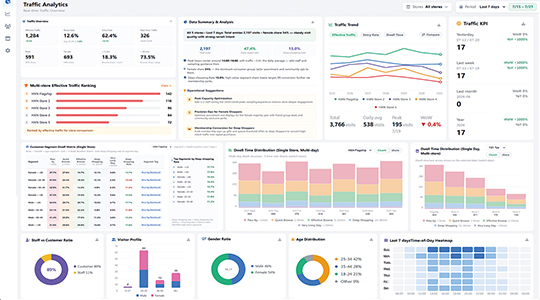
A modern analytics platform answers deeper questions:
- Which areas attract customer attention?
- How long do shoppers stay near products?
- Which displays create engagement?
- Why do visitors leave without purchasing?
- Which marketing campaigns bring valuable customers?
These questions require Customer Behavior Analysis, a method that connects customer movement with store performance.
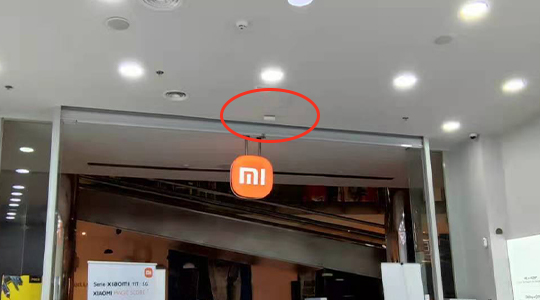
For physical stores, this creates a similar advantage to what e-commerce companies already have. Online platforms can track clicks, searches, and purchase journeys. Offline retailers need equivalent visibility into customer actions.
Through Foot Traffic Analytics, businesses can understand how visitors move through a store environment and identify opportunities to improve:
- Store layout
- Product placement
- Employee scheduling
- Marketing effectiveness
- Customer experience
The value of retail data is no longer limited to reporting past activity. It is becoming a tool for improving future decisions.
How AI Is Changing Retail Data Analysis
Another common question is:
What role does artificial intelligence play in future retail analytics?
Artificial intelligence is changing how stores collect and interpret customer information.
Traditional sensors mainly detect movement. AI-powered solutions can analyze patterns behind that movement.
A modern People Counting System can combine technologies such as AI algorithms, 3D sensing, edge computing, and privacy-friendly recognition methods to improve measurement accuracy.
For example, AI can help retailers:
- Separate employees from customers
- Reduce repeated traffic counting
- Understand customer flow direction
- Analyze stay duration
- Identify high-value traffic patterns
This creates more meaningful Retail Data.
Instead of only knowing that 1,000 people entered a store, retailers can understand:
- How many were potential customers
- How long they engaged with products
- Which areas influenced decisions
- How traffic affected conversion
This shift allows businesses to move from simple counting systems toward intelligent customer insight platforms.
Why Customer Behavior Data Matters for Store Growth
Many retailers ask:
How can customer behavior data improve actual business results?
The answer is better operational decisions.
Without accurate data, store managers often rely on experience and assumptions. They may increase staff during busy periods without knowing whether those visitors are valuable customers. They may redesign store layouts without understanding actual movement patterns.
With advanced Customer Behavior Analysis, retailers gain measurable insights.
For example:
A store notices high weekend traffic but disappointing sales growth.
Traditional visitor reports cannot explain the reason.
However, deeper Retail Data analysis may reveal:
- Customers spend little time near key products
- Certain displays attract attention but fail to convert
- Staff coverage does not match customer demand
- Store pathways create unnecessary friction
These insights help retailers make targeted improvements instead of broad guesses.
The Future of Retail Data: From Reports to Predictions
The next stage of retail intelligence is predictive analysis.
Today, many systems answer:
“What happened?”
Future systems will answer:
“What is likely to happen next?”
By combining historical traffic information, customer behavior patterns, sales data, and external factors, future Retail Analytics platforms will help retailers predict:
- Customer demand changes
- Best staffing schedules
- Store layout performance
- Marketing impact
- Potential revenue opportunities
This represents a major shift.
Retailers will no longer wait until sales decline before making adjustments. They will identify risks earlier and optimize operations proactively.
Frequently Asked Questions About Retail Data
1. What is Retail Data in modern retail?
Retail Data refers to information collected from physical and digital retail environments to understand customers, operations, and business performance.
It includes traffic measurements, customer movement, purchase behavior, conversion indicators, and operational information.
Modern retail data is valuable because it connects customer activity with business outcomes.
2. Is a People Counting System enough for retail analysis?
A basic People Counting System can measure visitor numbers, but it cannot fully explain customer behavior.
Modern retailers need additional insights, including customer quality, dwell time, movement patterns, and conversion relationships.
Counting tells businesses what happened. Analytics explains why it happened.
3. Why is Customer Behavior Analysis important for physical stores?
Physical stores have historically lacked the visibility that online businesses enjoy.
Customer Behavior Analysis helps retailers understand how shoppers interact with products, spaces, and services.
This enables more accurate decisions about store design, customer experience, and operational efficiency.
Conclusion: Retail Success Depends on Understanding Customers
The future of retail will not be defined by who can collect the most data. It will be defined by who can understand that data.
The transition from counting visitors to understanding customers represents a fundamental change in retail strategy.
Basic traffic numbers are no longer enough. Businesses need intelligent Retail Data that explains customer behavior, identifies valuable traffic, and supports better decisions.
The question for modern retailers is no longer:
“How many people entered my store?”
The more important question is:
“What can customer behavior tell me about improving my business?”
That is the future of retail intelligence.